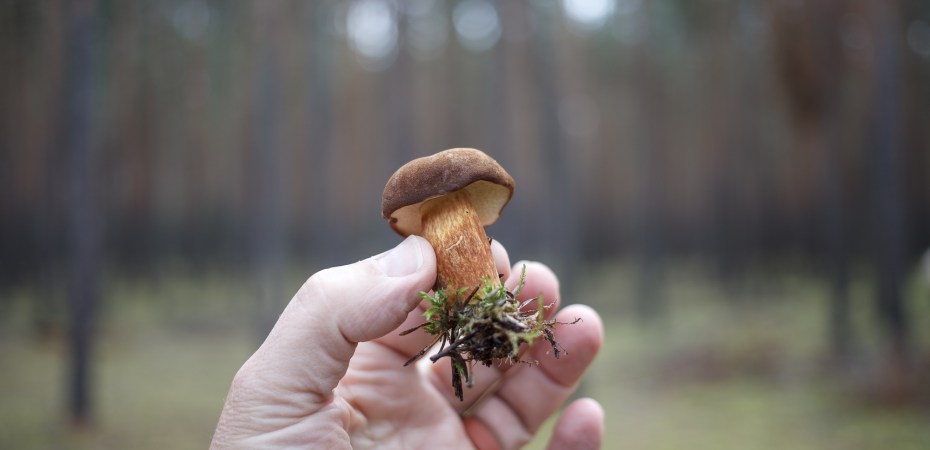
“No. This area won’t be good.”
My mother-in-law’s friend had been out of the car for about ten seconds. We got back in and drove a few hundred meters along the forest track to an area that looked identical.
“Yes. Let’s go.”
That was the extent of the decision-making. No map, no app, no discussion. Just a lifetime of knowing what a good mushroom forest looks like.
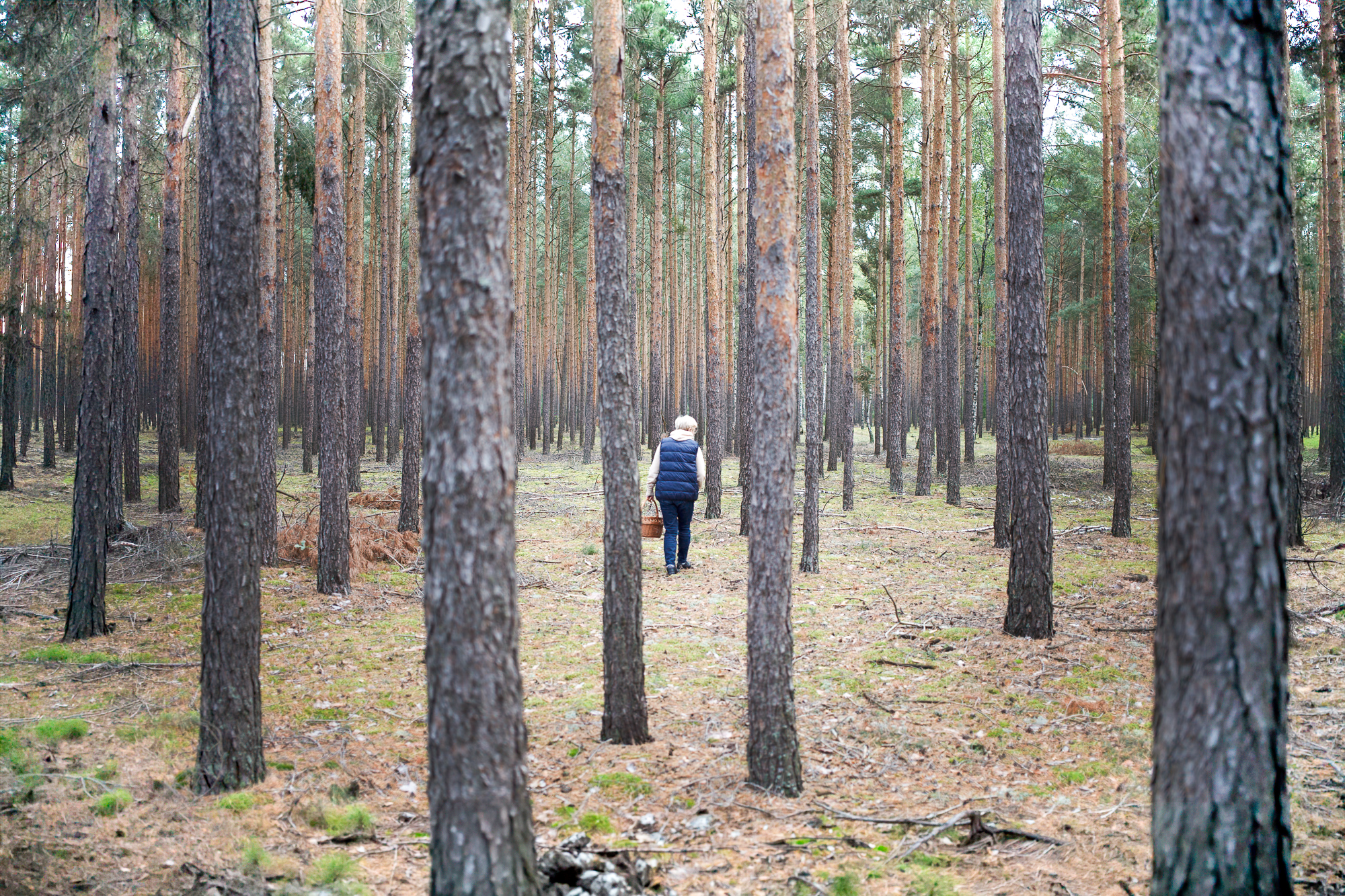
Yesterday I joined my mother-in-law and her friend, both experienced septuagenarians, for a morning of mushroom picking. I was very much the apprentice. I tried to keep a low profile and watch what they were doing, while looking for mushrooms myself. There were plenty. Unfortunately, about 95 percent were the wrong sort. The finds that caused the most excitement seemed to be koźlarze, or “kozaki”, or another enormous mushroom with a tall stem (the “nogi” or leg in Polish) and a frilly skirt around it. I was learning that mushroom picking isn’t really about finding mushrooms. It’s about finding the right mushrooms.
I wasn’t about to start doing this alone. I’m cautious enough about mushrooms when they’re washed, wrapped in plastic and sitting in Aldi.

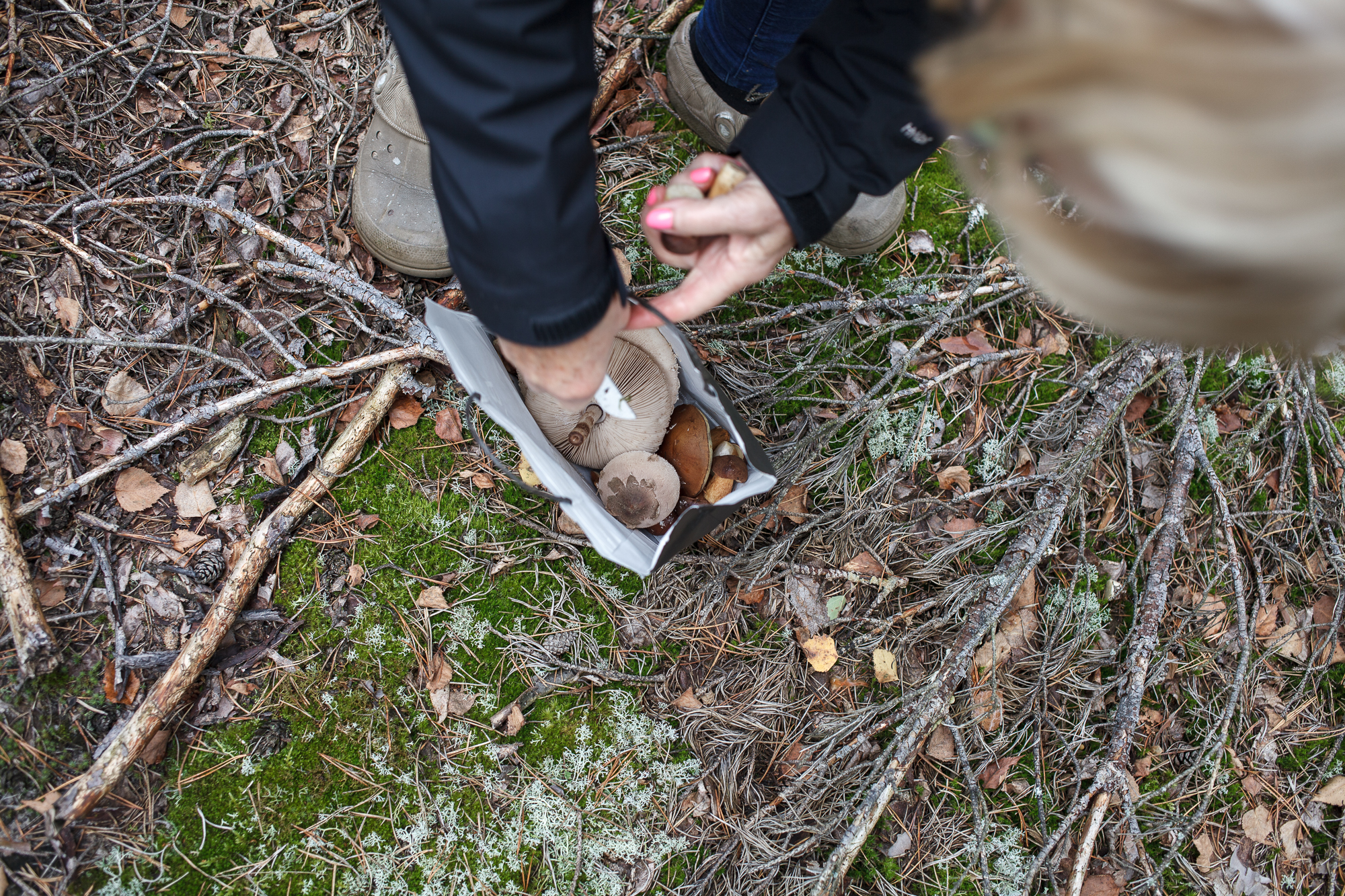
The equipment was wonderfully simple: a knife and an ancient wicker basket. My photographs ended up being less about the mushrooms themselves and more about old hands wielding knives, baskets sitting on the forest floor and the details of a tradition that has clearly been going on for generations.
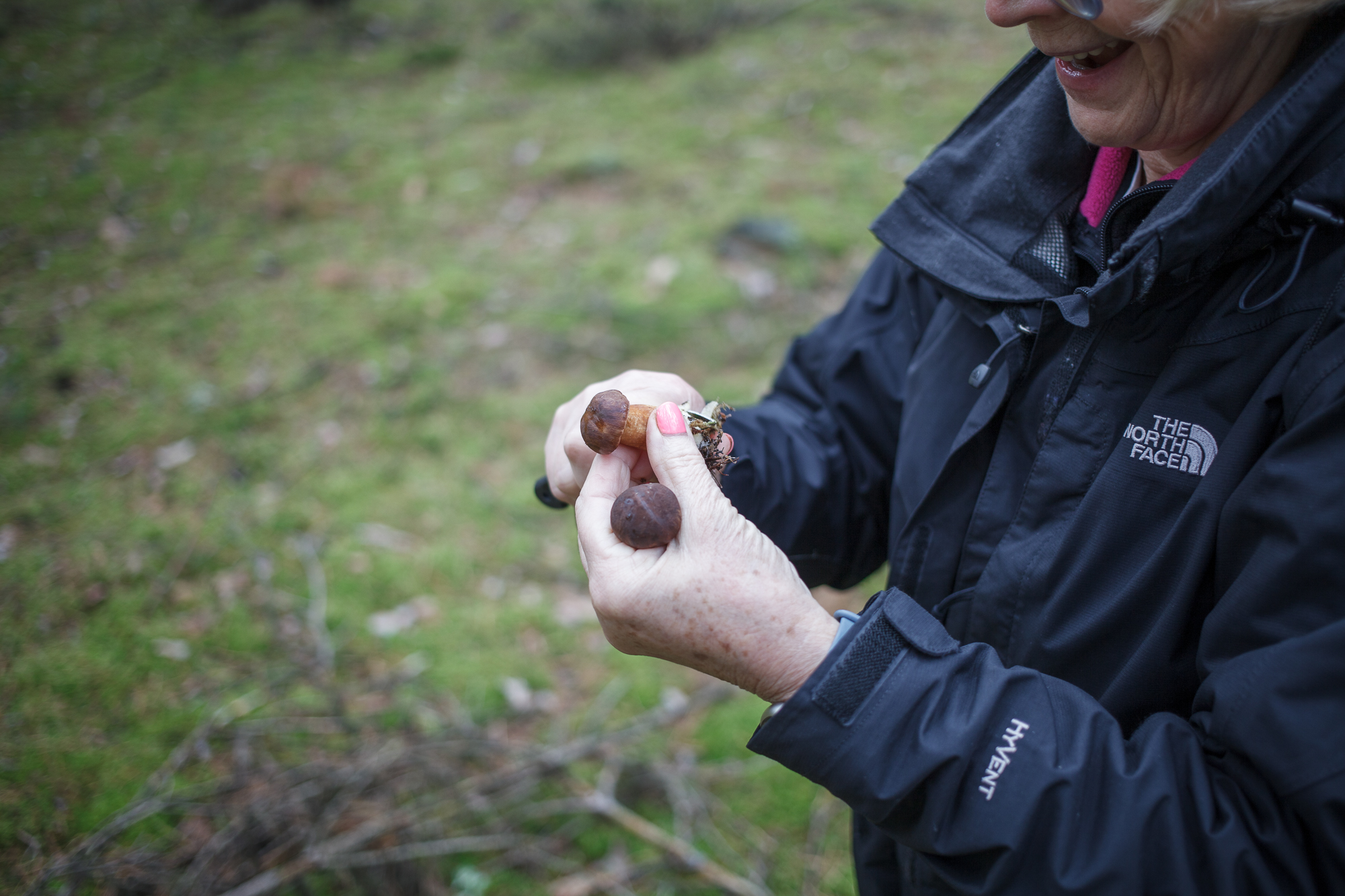
The day also had a faintly a competitive element. The forest, which the dog and I normally have almost entirely to ourselves, was suddenly full of parked cars and mushroom pickers laying claim to an area. When two groups met, there was always the same exchange:
“Did you find much?” Then came the sideways glance into each other’s baskets. The baskets told the truth.
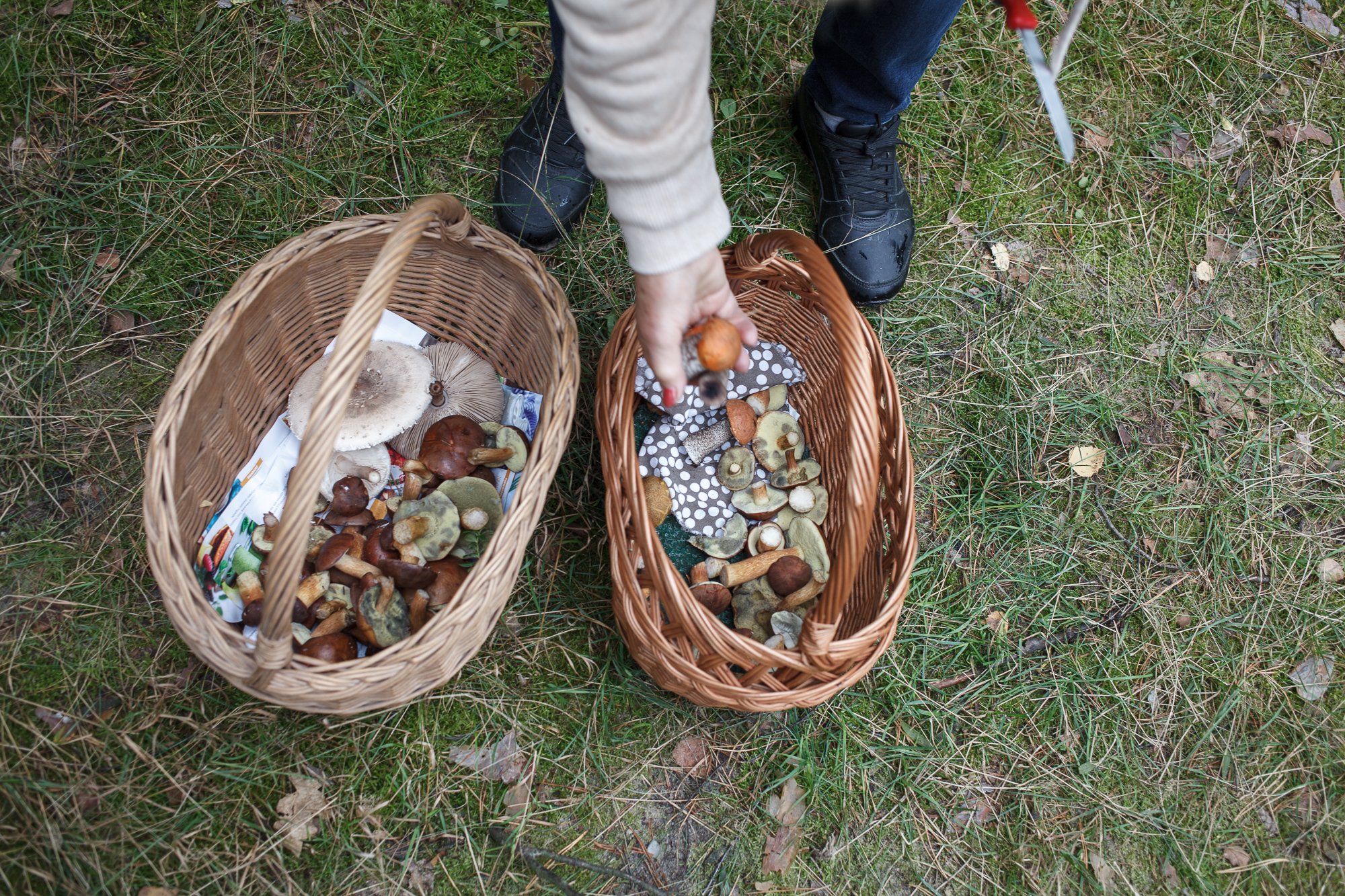
In Poland, the forest was once part of the household pantry, particularly during the shortages of the communist era. Mushrooms could supplement scarce food and, when dried or pickled, provide something for the winter. The shortages are gone, but the knowledge and habits remain — now mixed with walking, socialising and a little competition.
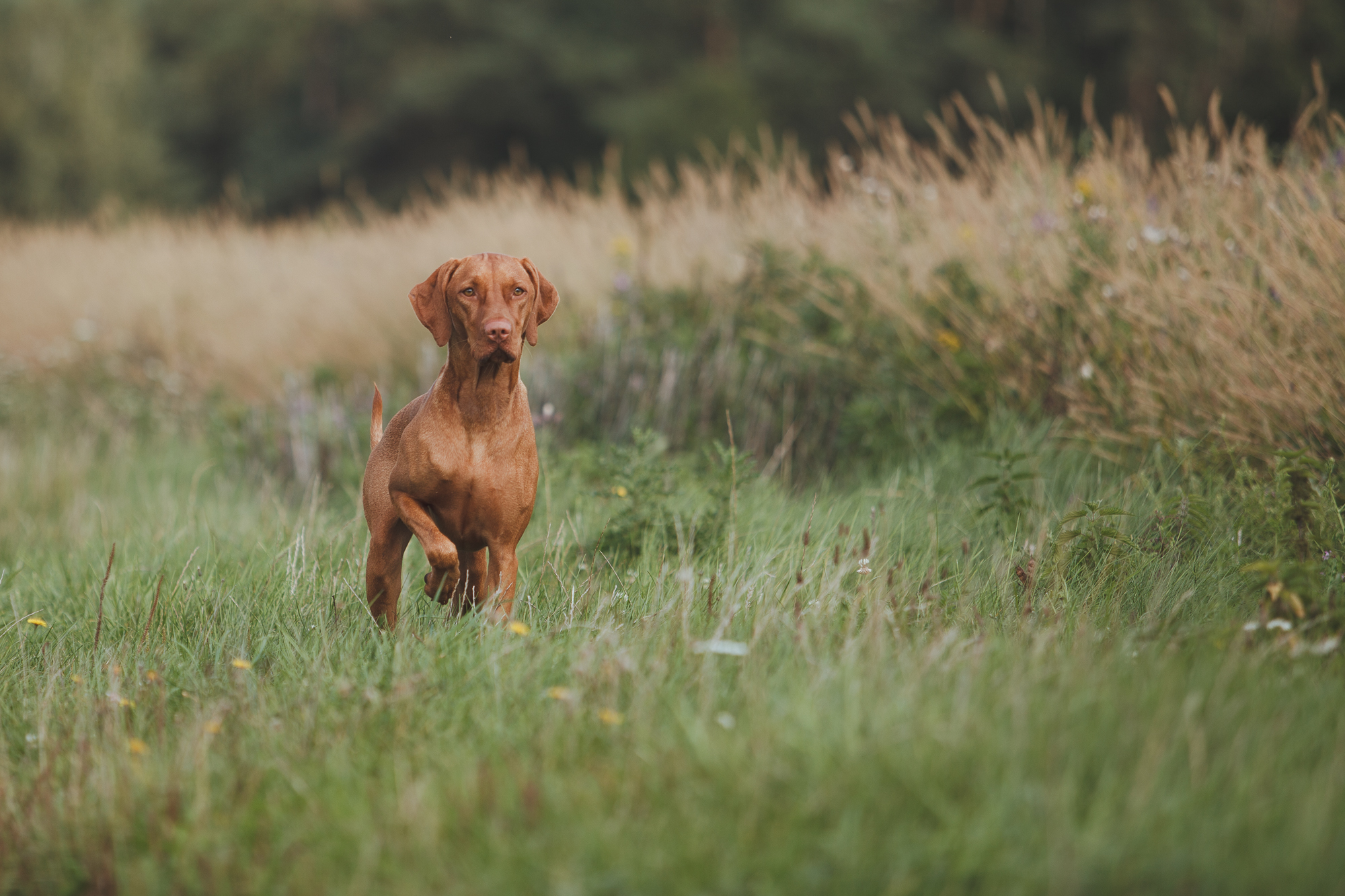
I had brought the dog, assuming that a Hungarian Vizsla might be useful with finding truffles or the rarest chanterelles. She wasn’t. While the ladies quietly filled their baskets, she concentrated on animal smells, sticks and everything else in the forest except mushrooms.
The ladies complained that yields were poor and blamed the hot summer. They decided that next week might be better after some rain, but they had needed to go when they did, before the crowds came to their forest from the nearby city over the weekend.
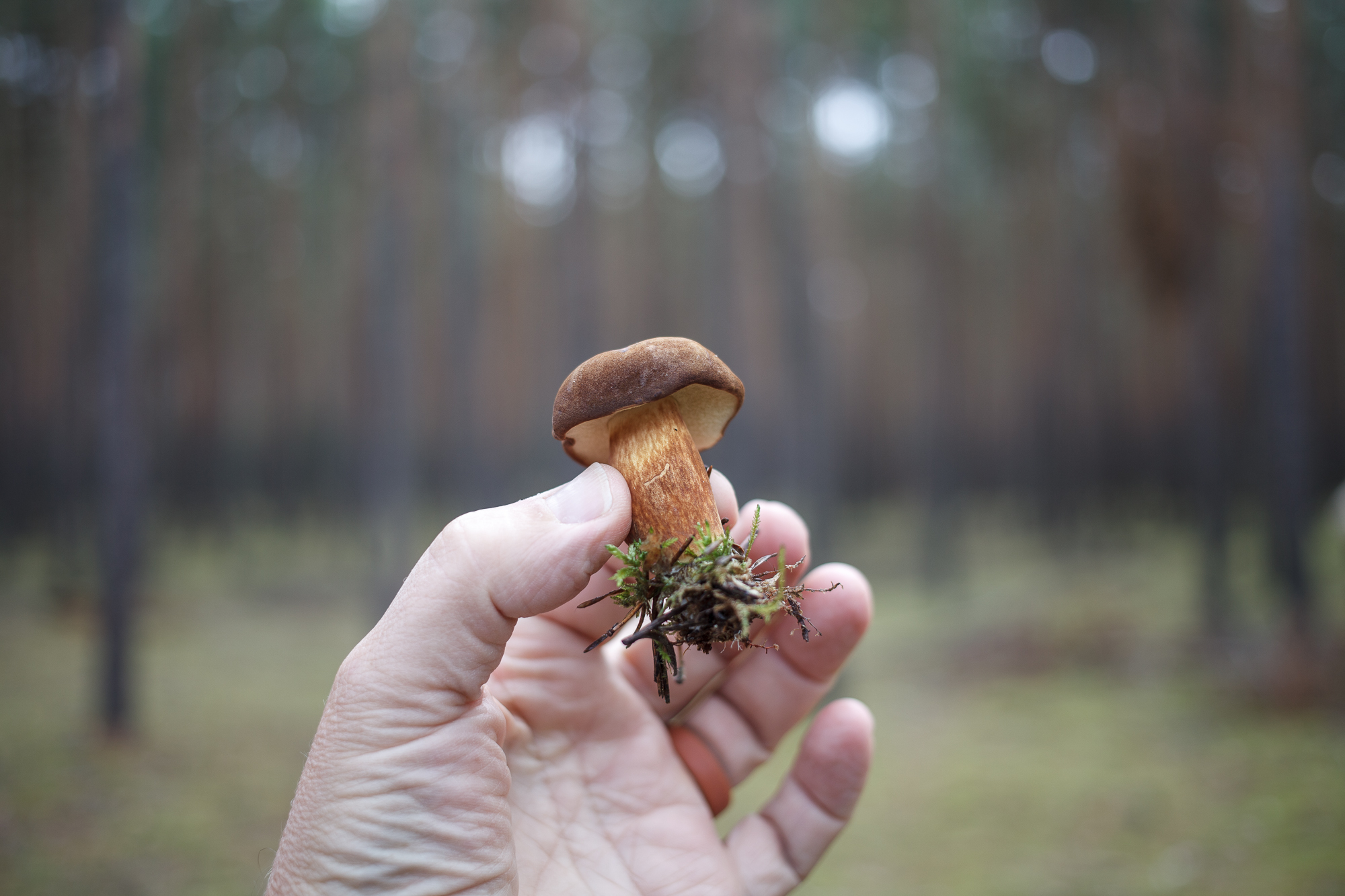
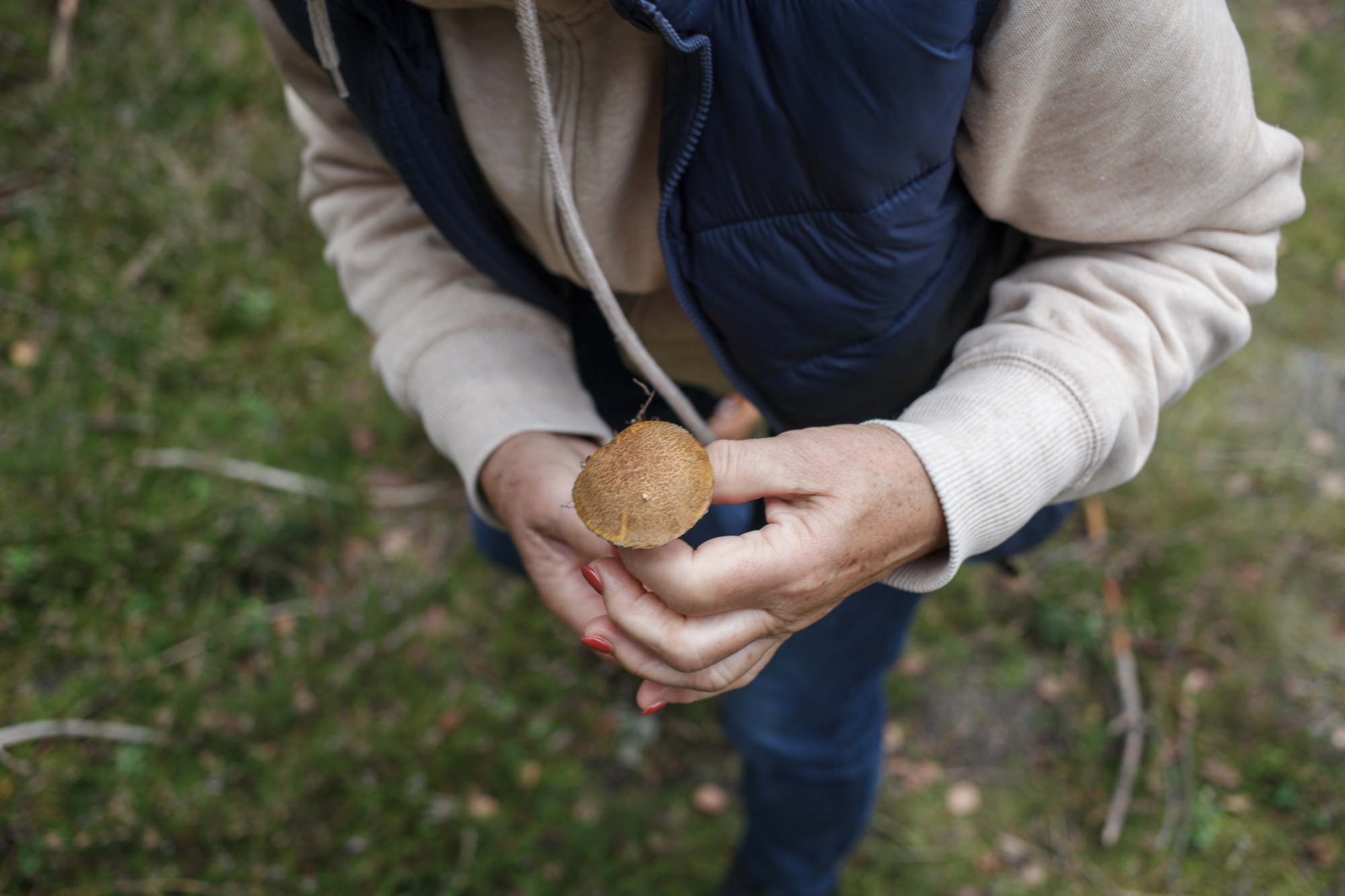
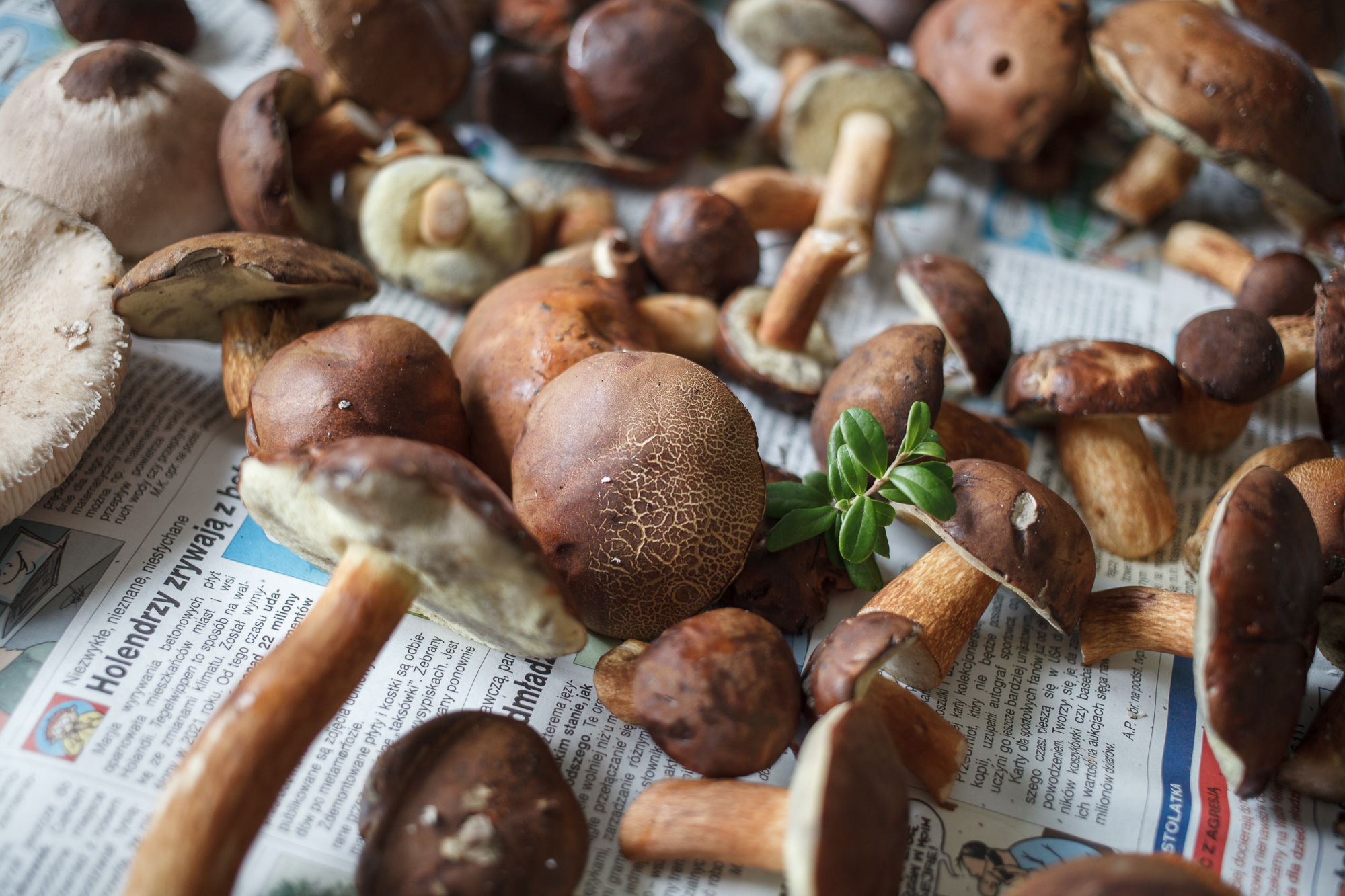
We did come home with a modest yield that was immediately cleaned, cut and dried before being tucked away with previous hauls. I’ll see those mushrooms again at our ‘wigilia’ meal on Christmas Eve and in soups and sauces in the meantime.
But the mushrooms were almost incidental. What will last longer are the photographs and the memories of seeing their expertise in action…

