During my trip to Budapest (that you can read about here), I took advantage of the city’s excellent public transport system to explore a couple of suburbs outside the historic centre. Both Kelenföld and Újpalota housing estates were extensively developed in the post-war period, built in the socialist-modernist style that still defines large parts of the city today.
The excellent Panel Walks Budapest website offers self-guided itineraries exploring the highlights of three estates, with beautifully designed and informative maps (credit to Lídia Kecseti for the visuals and Bence Kapcsos for the concept and text), available to download and print.
One morning, I followed the Kelenföld route, with a few diversions and distractions along the way, and explored Újpalota the next: Buda one day, Pest the next.
Kelenföld: Modernism in Buda
Kelenföld is one of Budapest’s largest housing estates, built between the late 1960s and early 1980s when the city needed homes quickly for a growing population. The district is dominated by prefabricated “panel” apartment blocks — the familiar concrete towers of the socialist era — but the planners had a broader vision than simply housing people. The estate was designed as a complete neighbourhood, with schools, shops, parks and transport all within walking distance.
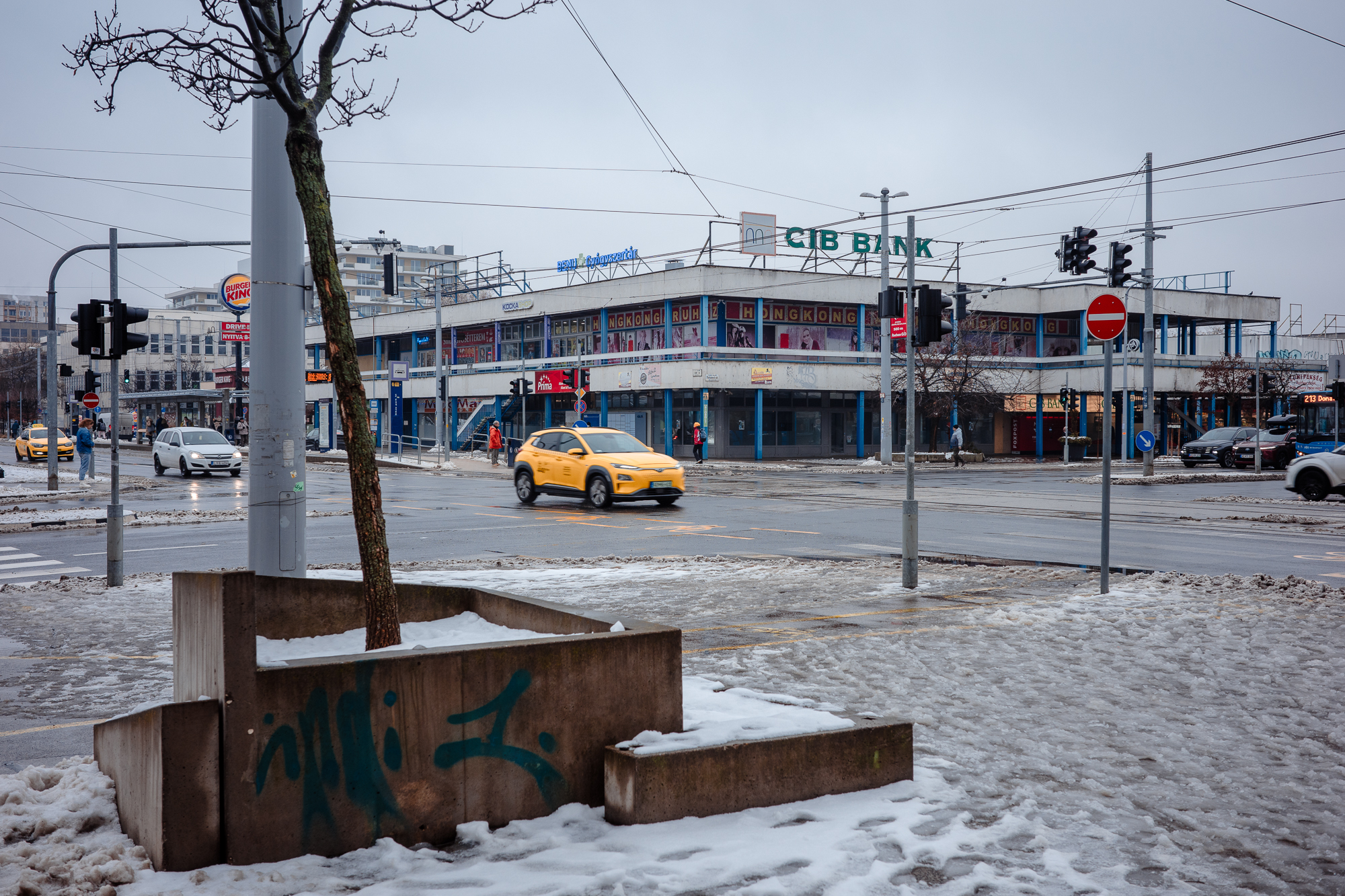
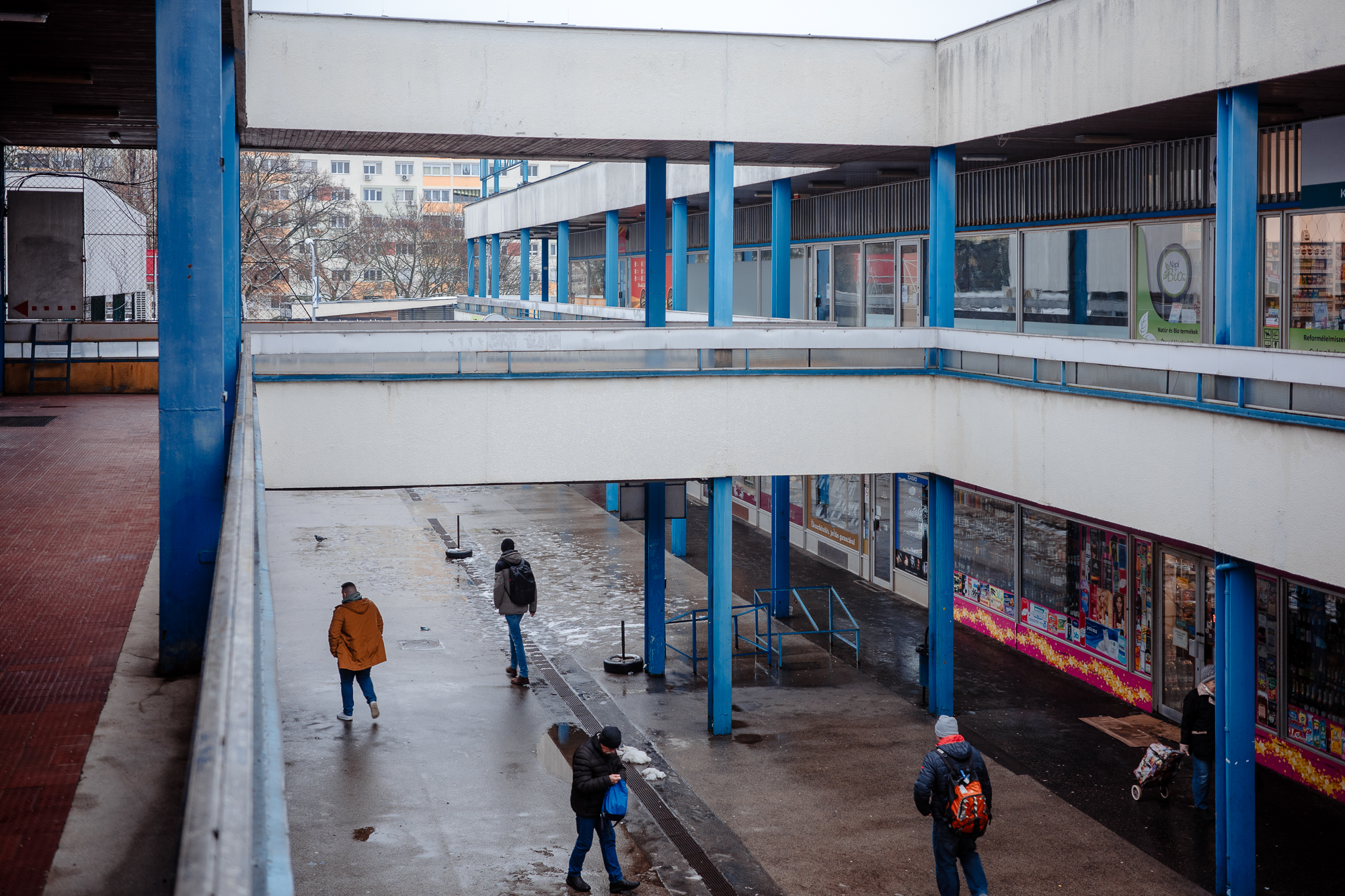
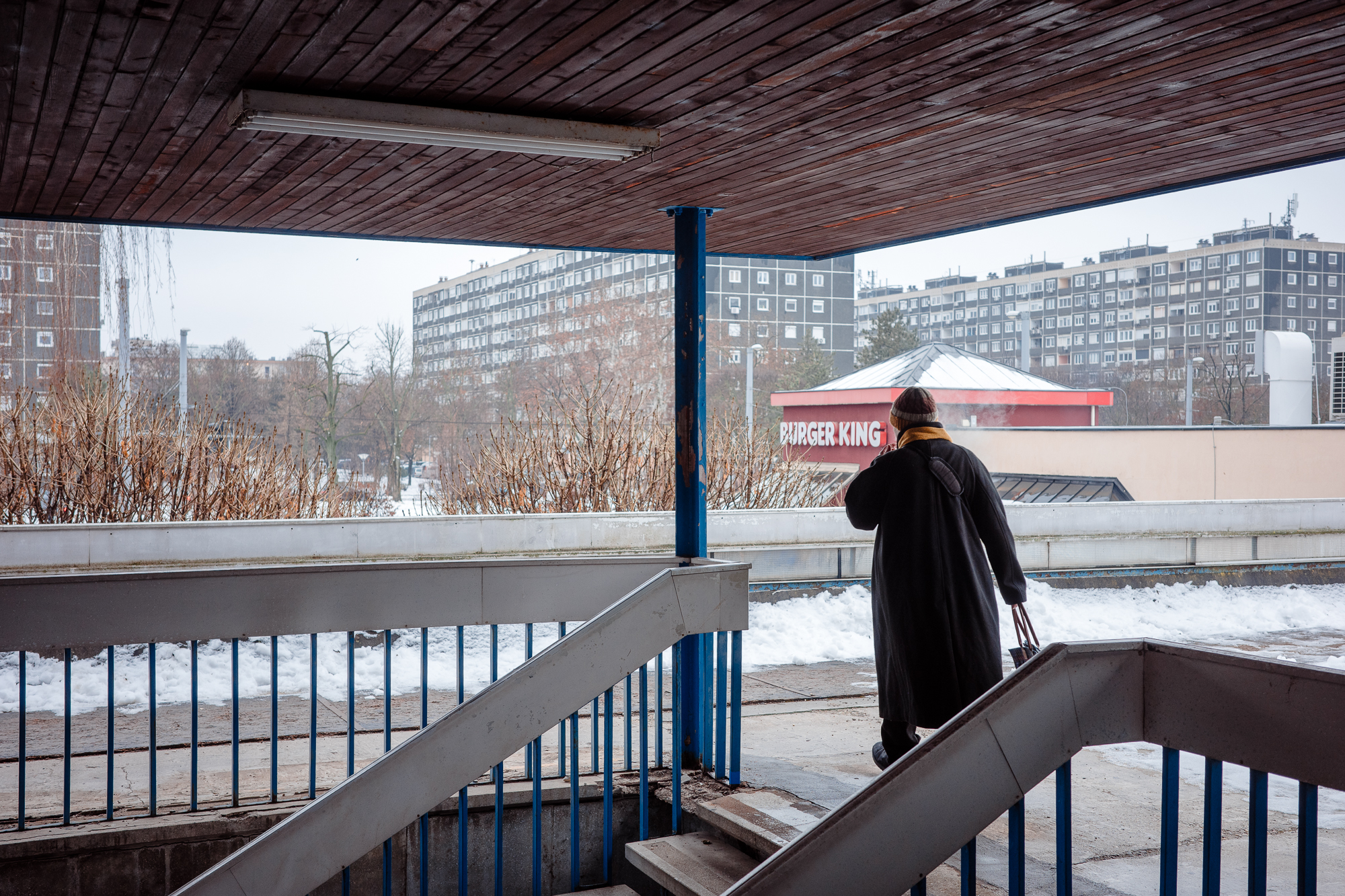
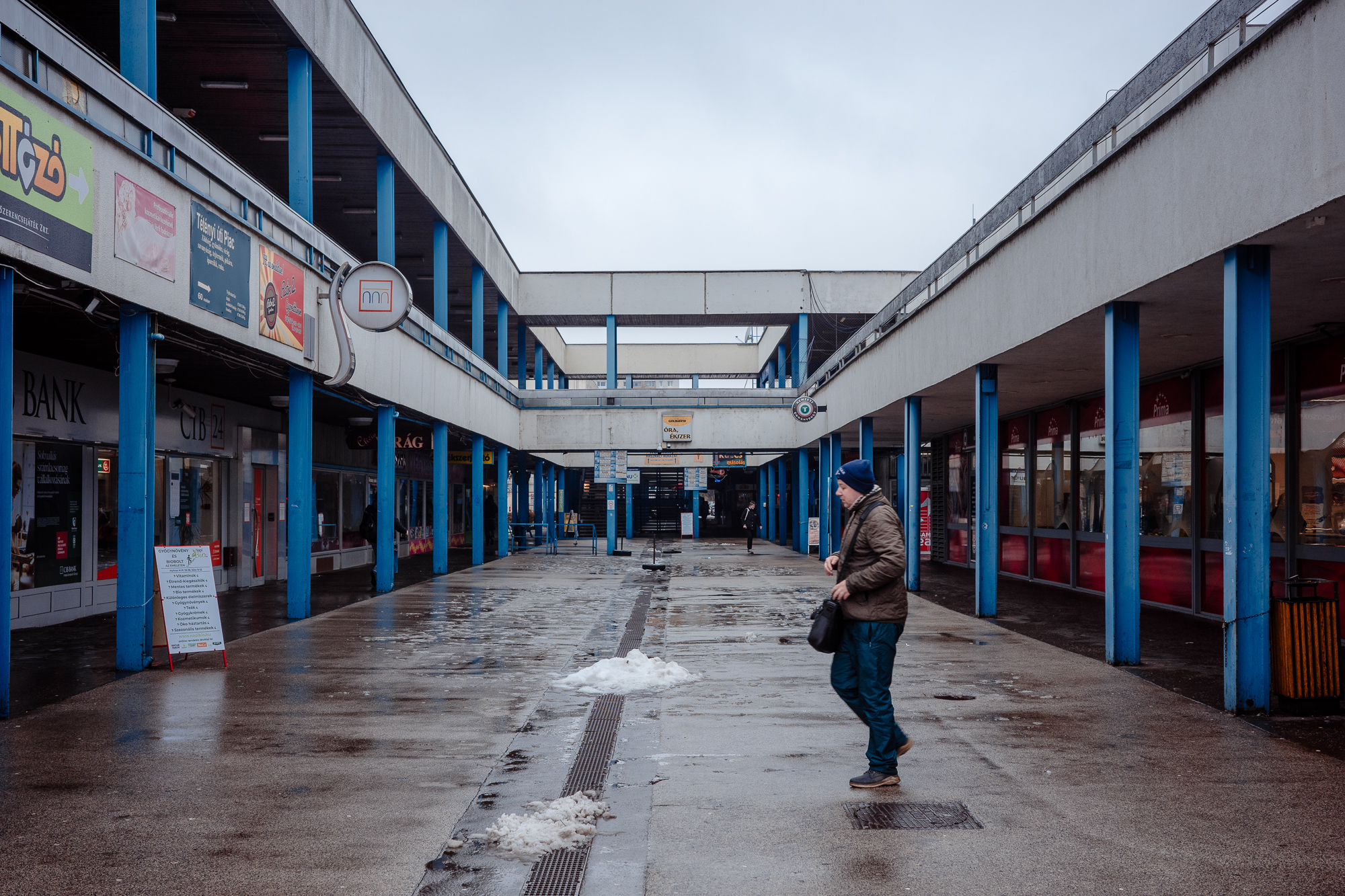

At its heart sits the Kelenföld City Center, a modernist complex that once served as the commercial hub for the surrounding blocks. Walking through the area today, the place feels less austere than its reputation might suggest. There are wide green spaces between the buildings, and the estate offers a glimpse into the everyday urban landscape created during Budapest’s socialist period.
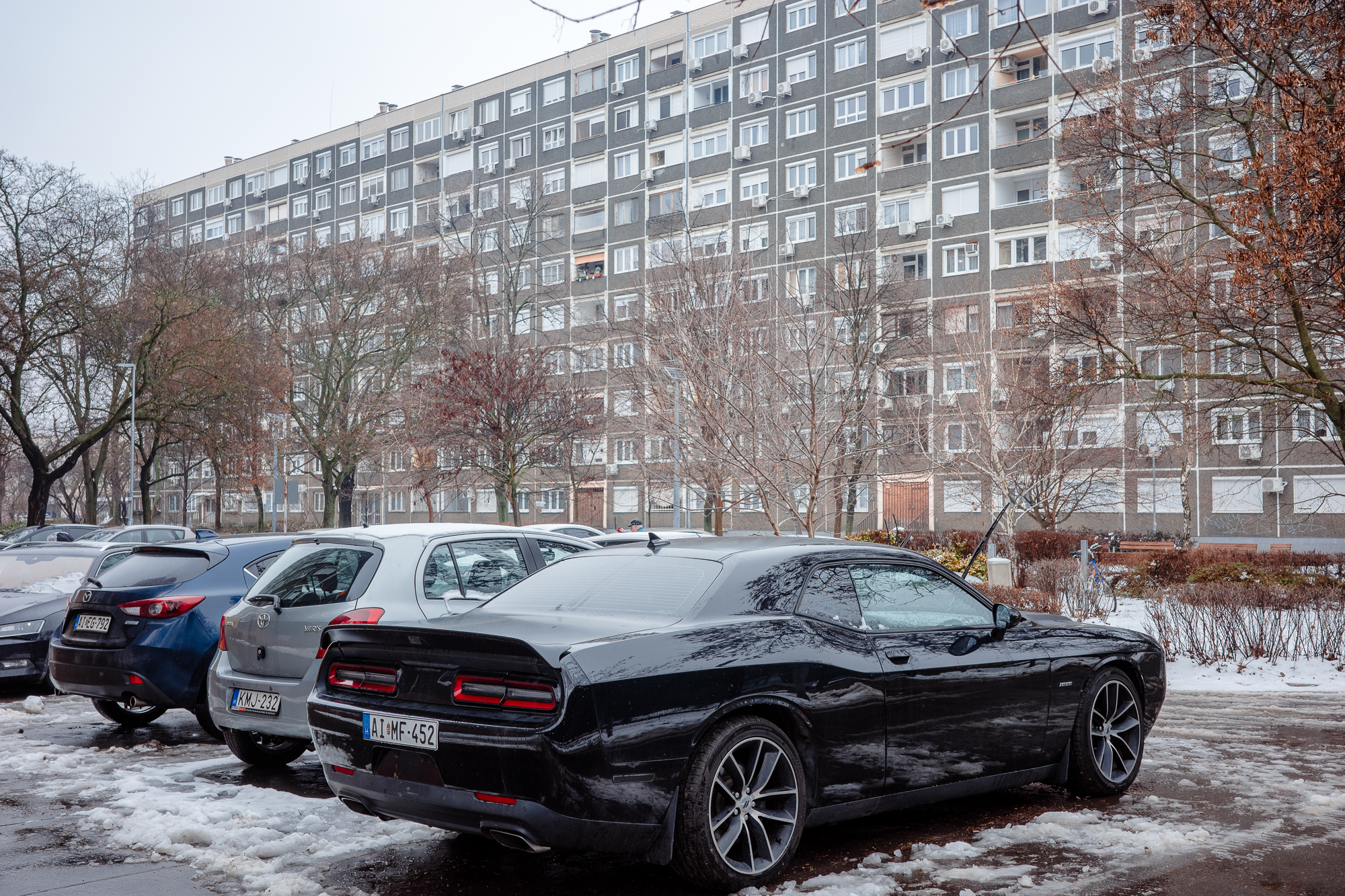
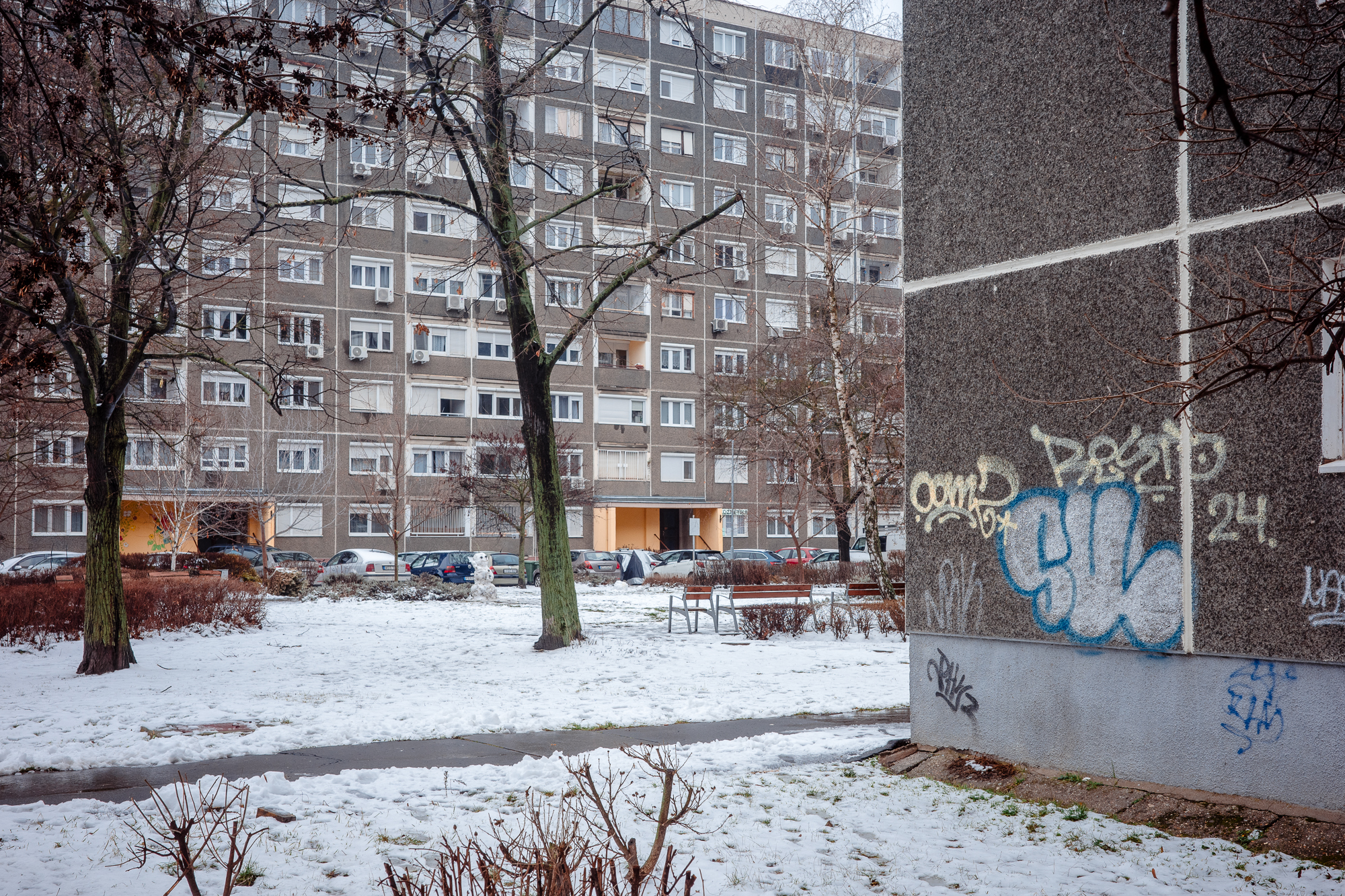
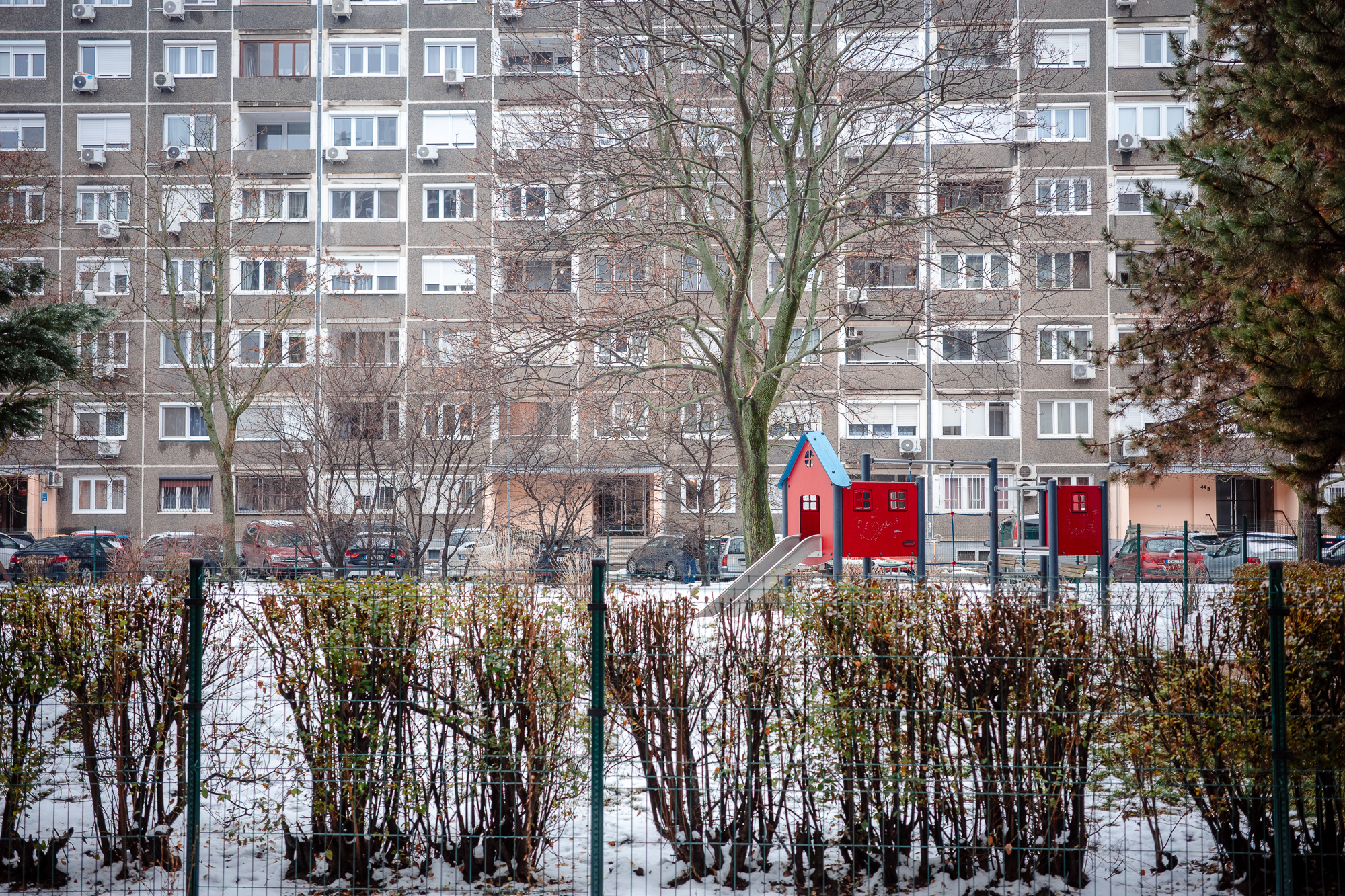
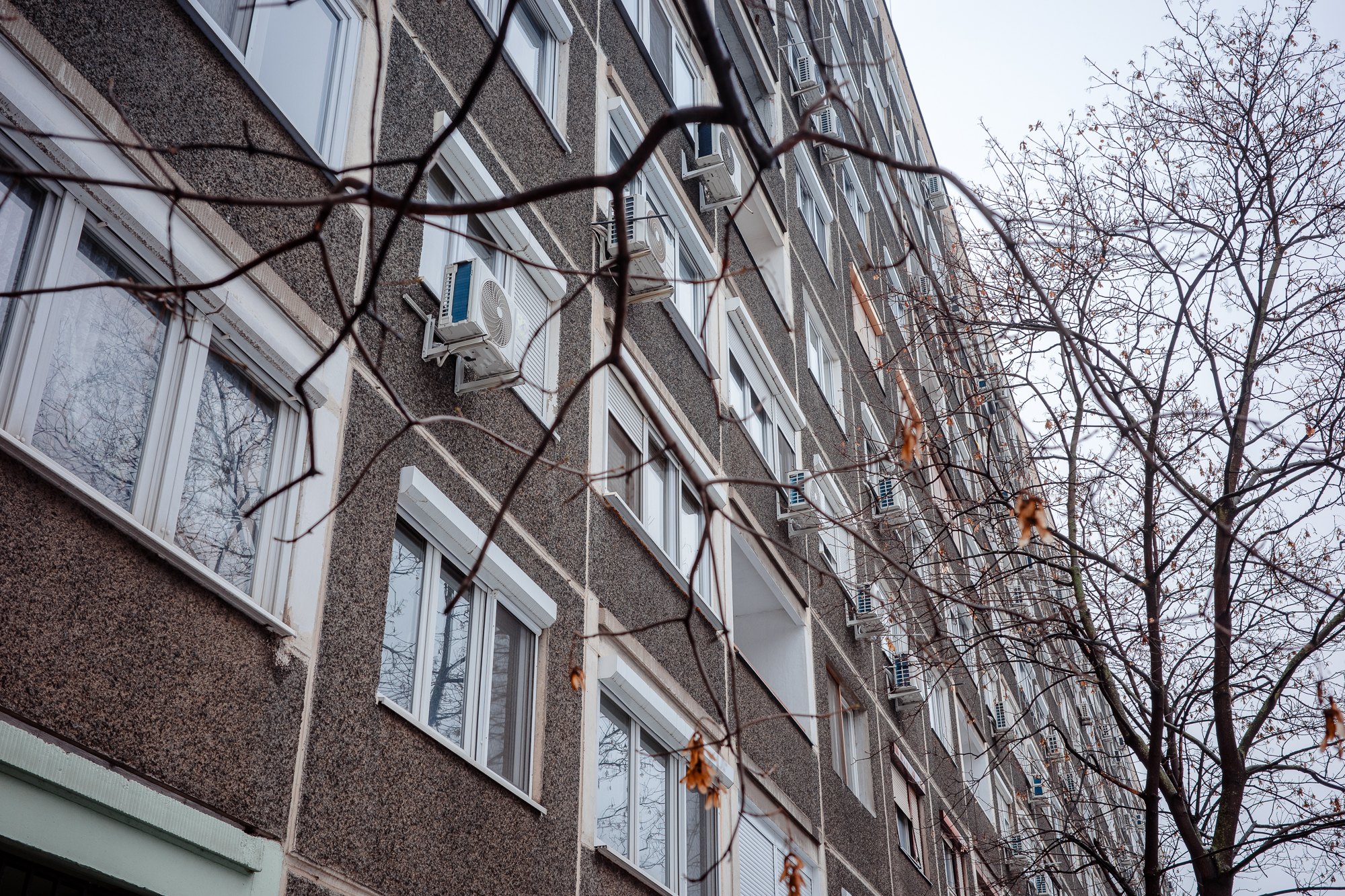
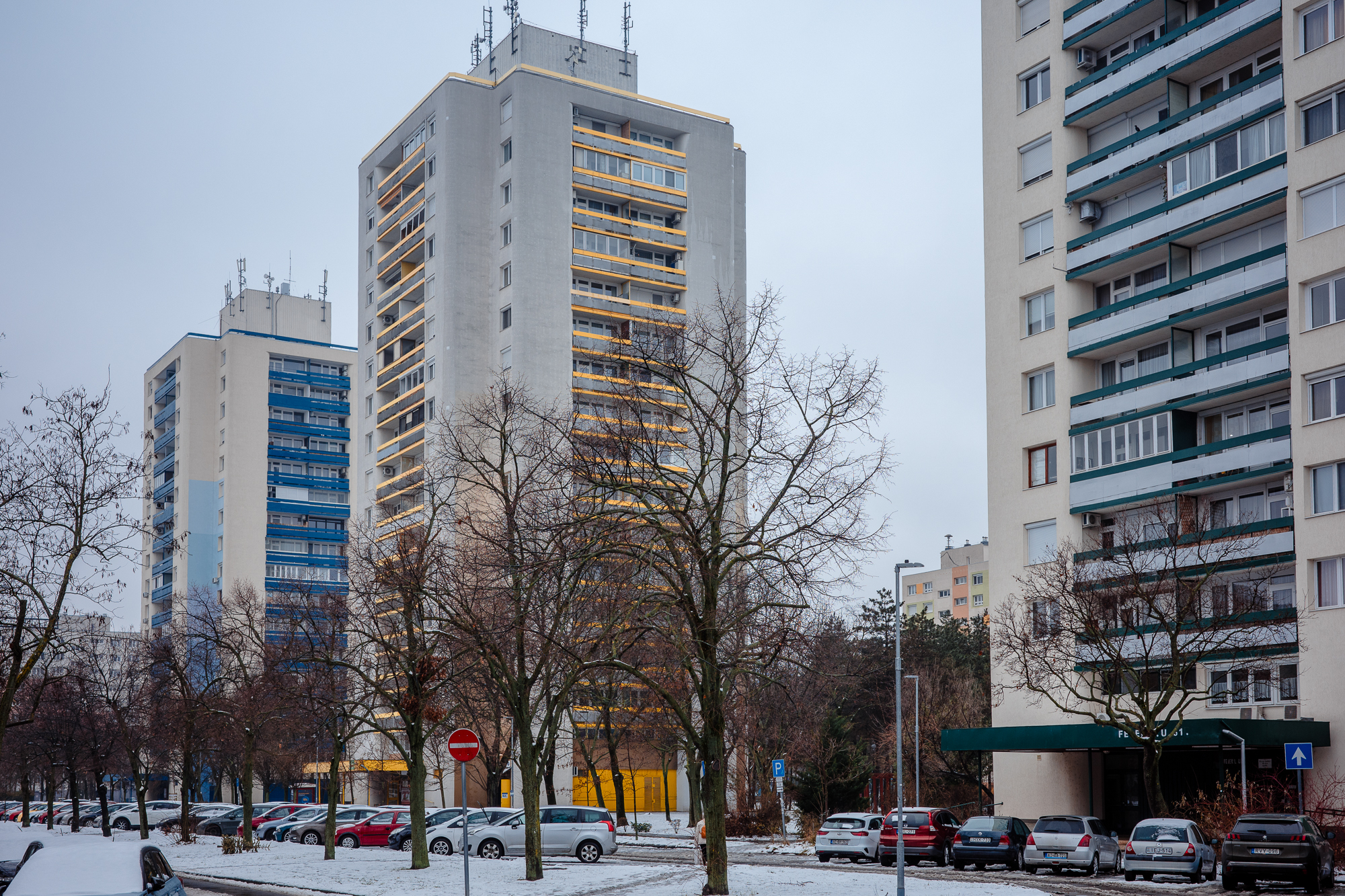
The route begins at the striking concrete station at Bikás Park, part of the glorious M4 underground line — one of my favourite pieces of transport architecture anywhere. From there the walk takes in a variety of distinctive structures, from the colourful “three sisters” tower blocks to the grey prefabricated “fat houses”, larger than the standard panel buildings, and the crashed-UFO form of the Külső-Kelenföld Reformed Church.
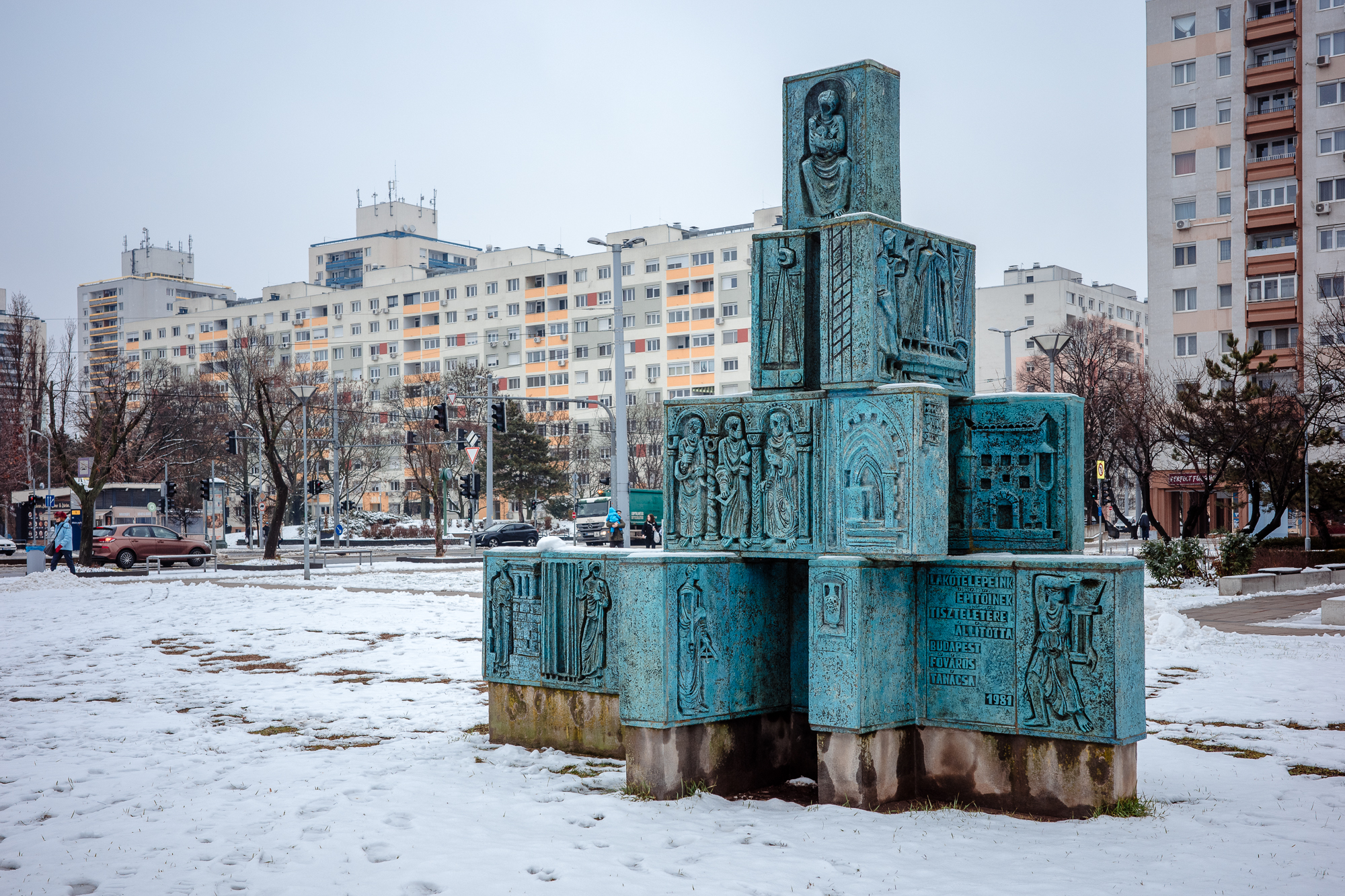
Builders of Our Housing Estates’ – The layered stone tablets
represent different historical eras and
civilizations—Sumerian, Egyptian, Greek,
and Medieval—symbolizing humanity’s
collective effort to create lasting
structures for future generations.
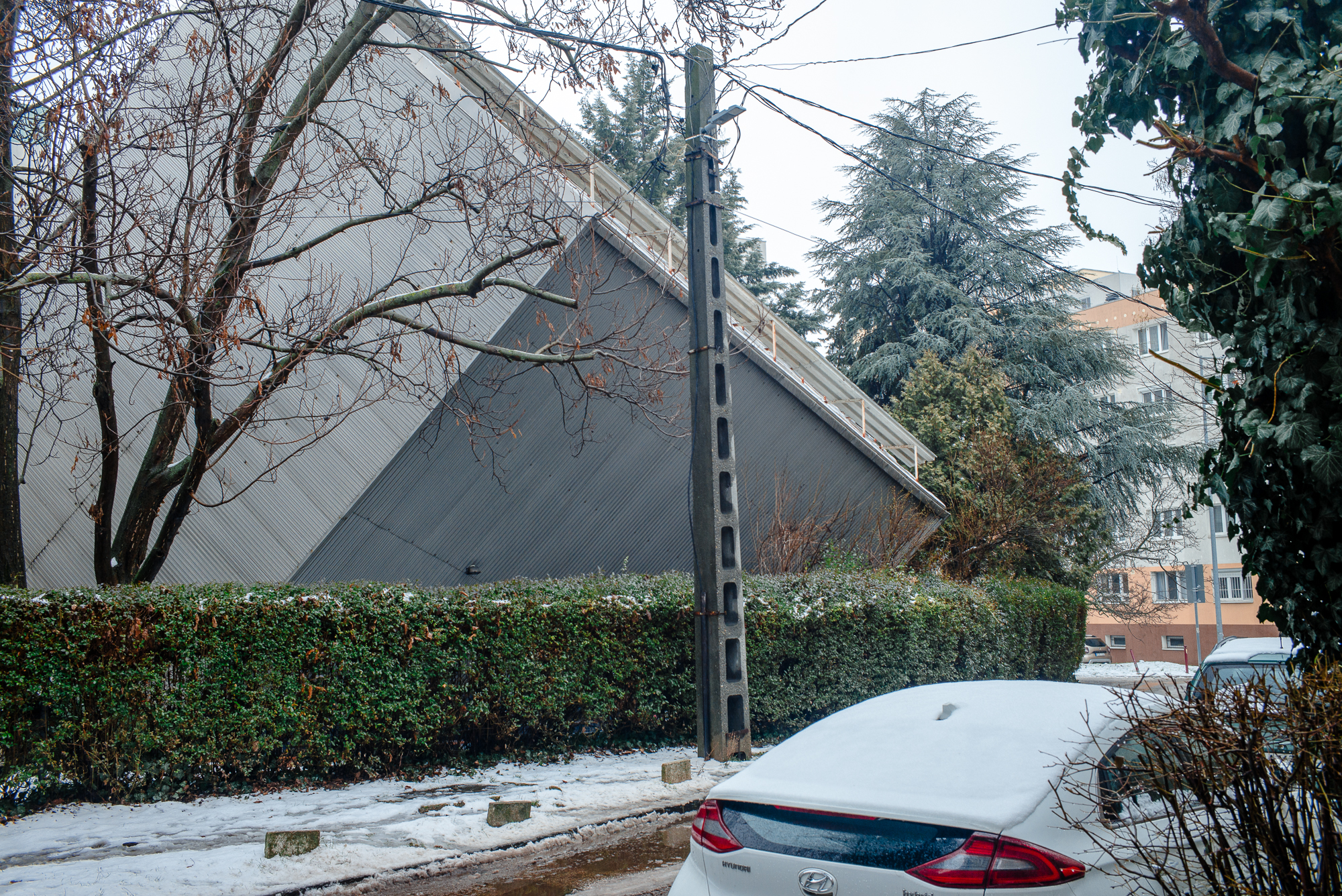
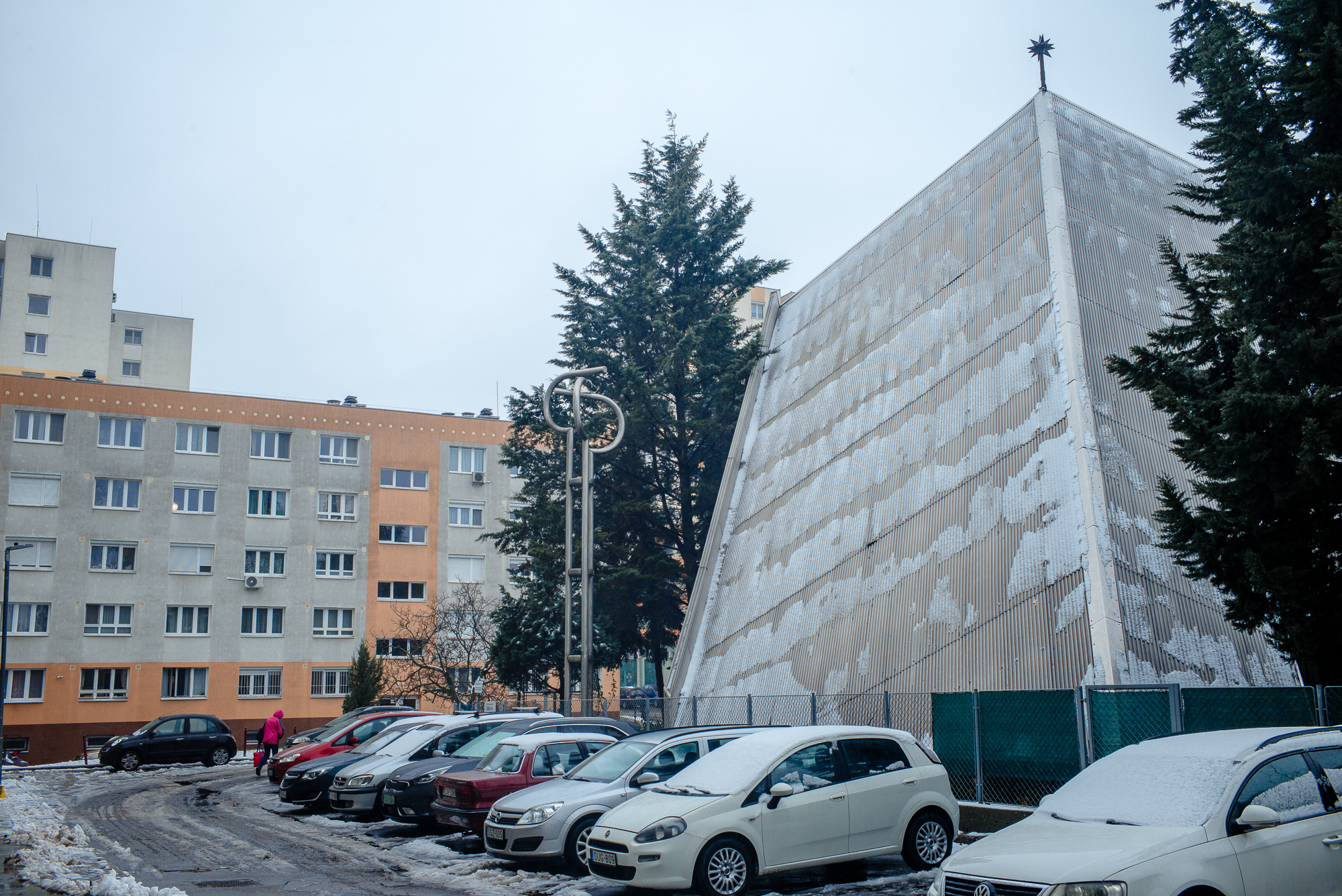
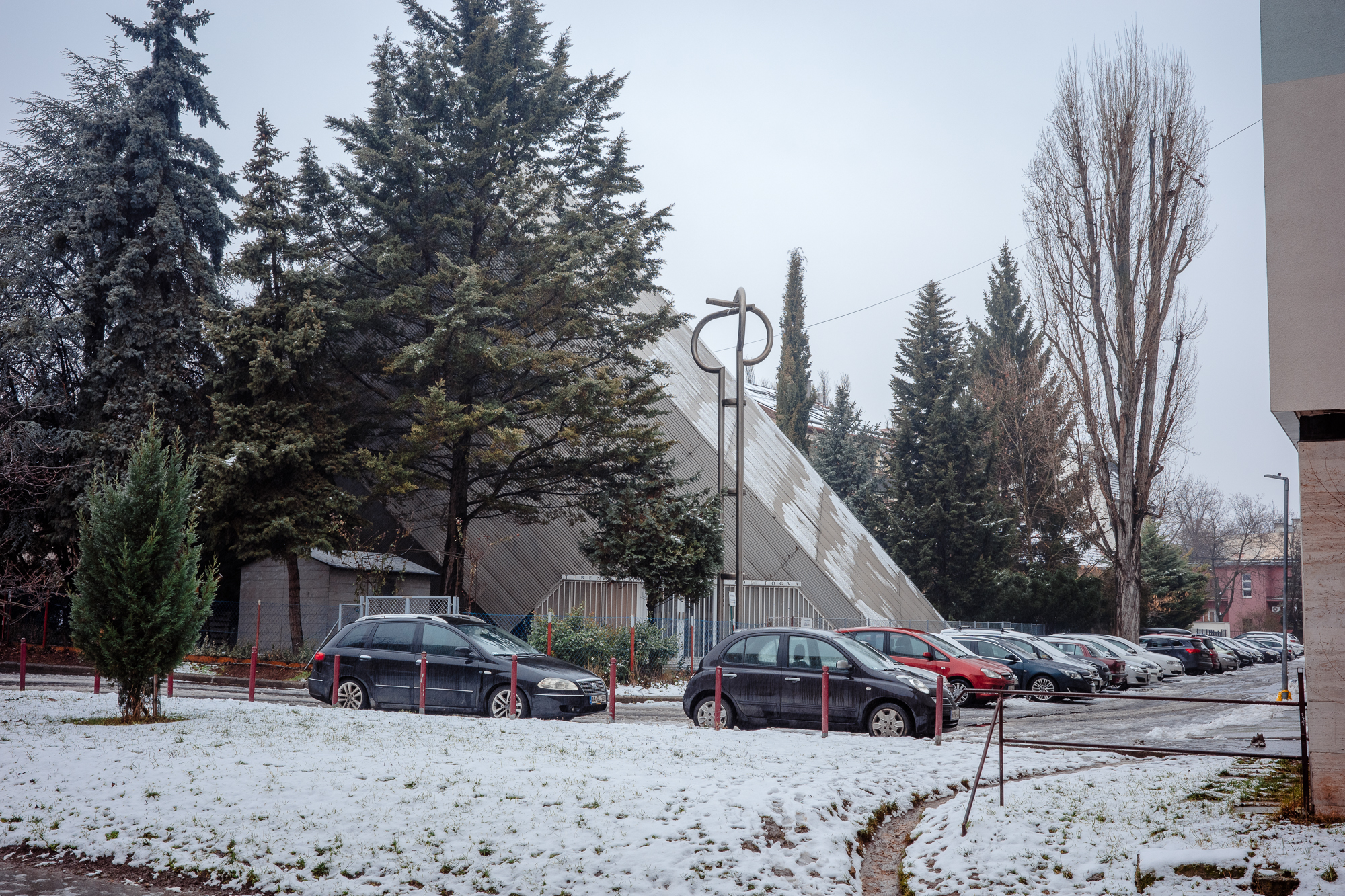

As I wandered through the estate, most of it felt comfortable and surprisingly pleasant, reflecting the redevelopment work that has helped transform the area into one of the city’s more sought-after residential districts. The “city centre”, however, felt similar to many modernist shopping complexes I’ve visited elsewhere — with empty units and awkward pedestrian walkways. While planners in the 1960s and 70s often got a lot right in the design of mass housing, these commercial centres rarely seem to have aged quite as well.
Újpalota: A Socialist New Town in Pest
The following day I crossed to the Pest side of the city to explore Újpalota.
Újpalota sits on the northeastern edge of Budapest and is one of the city’s largest socialist-era housing estates. Built between 1969 and the mid-1970s, it rose quickly on what had previously been open land on the outskirts of the capital. Like many estates of the period, it was constructed using prefabricated concrete “panel” technology, creating rows of mid- and high-rise apartment blocks designed to house thousands of families during Hungary’s post-war housing boom. In total, more than 15,000 flats were built here, forming a vast neighbourhood that once housed around 60,000 residents.
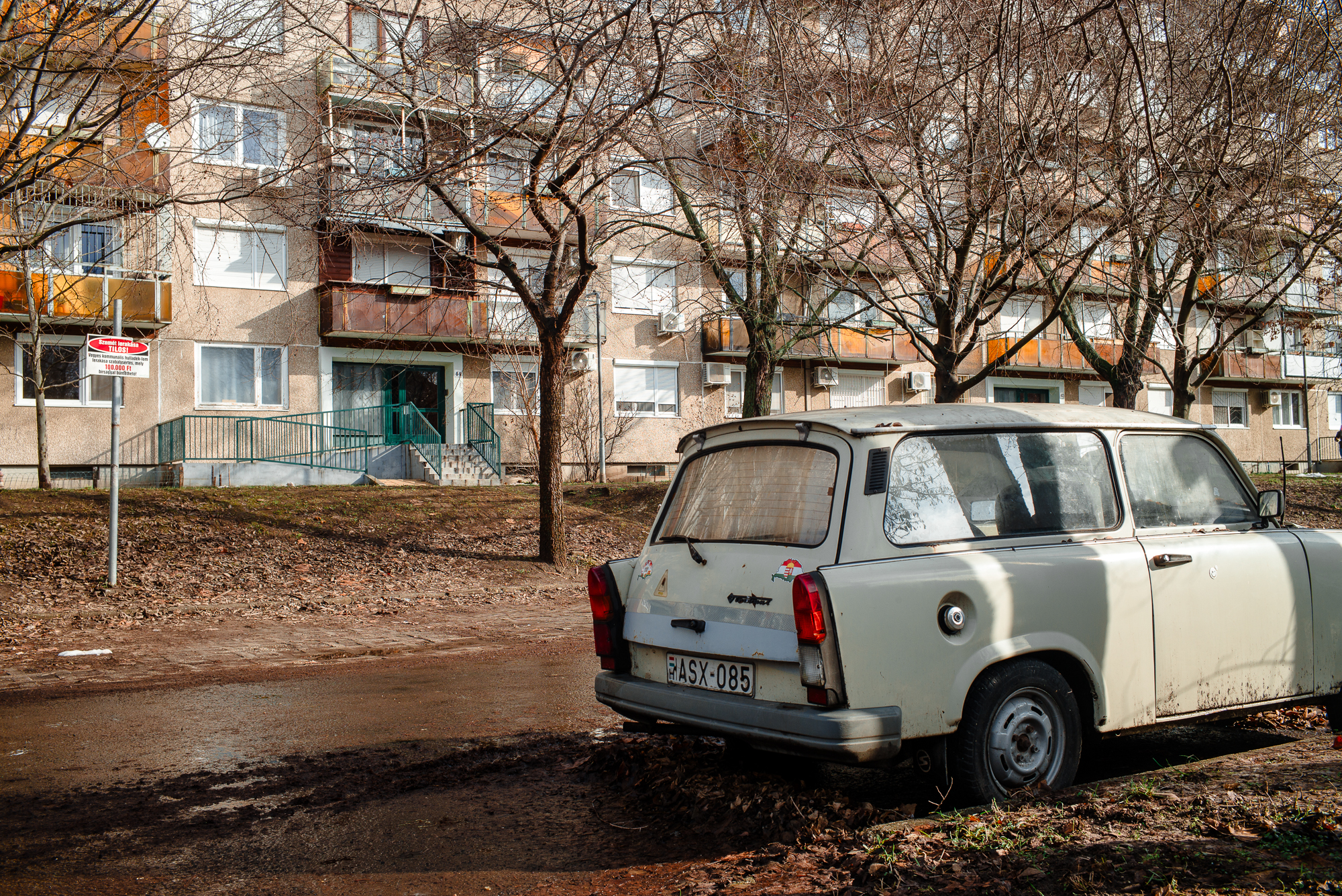
Walking through the estate today, the scale of the planning is striking. The buildings are arranged around wide green spaces and long open avenues, with schools, shops and services originally placed within easy reach for residents. Like many panel estates, Újpalota was designed as a self-contained suburb rather than an extension of the historic city. While it still feels far from Budapest’s tourist centre, the area has developed its own character over the decades and offers an interesting glimpse into the ambitions of socialist-era urban planning.
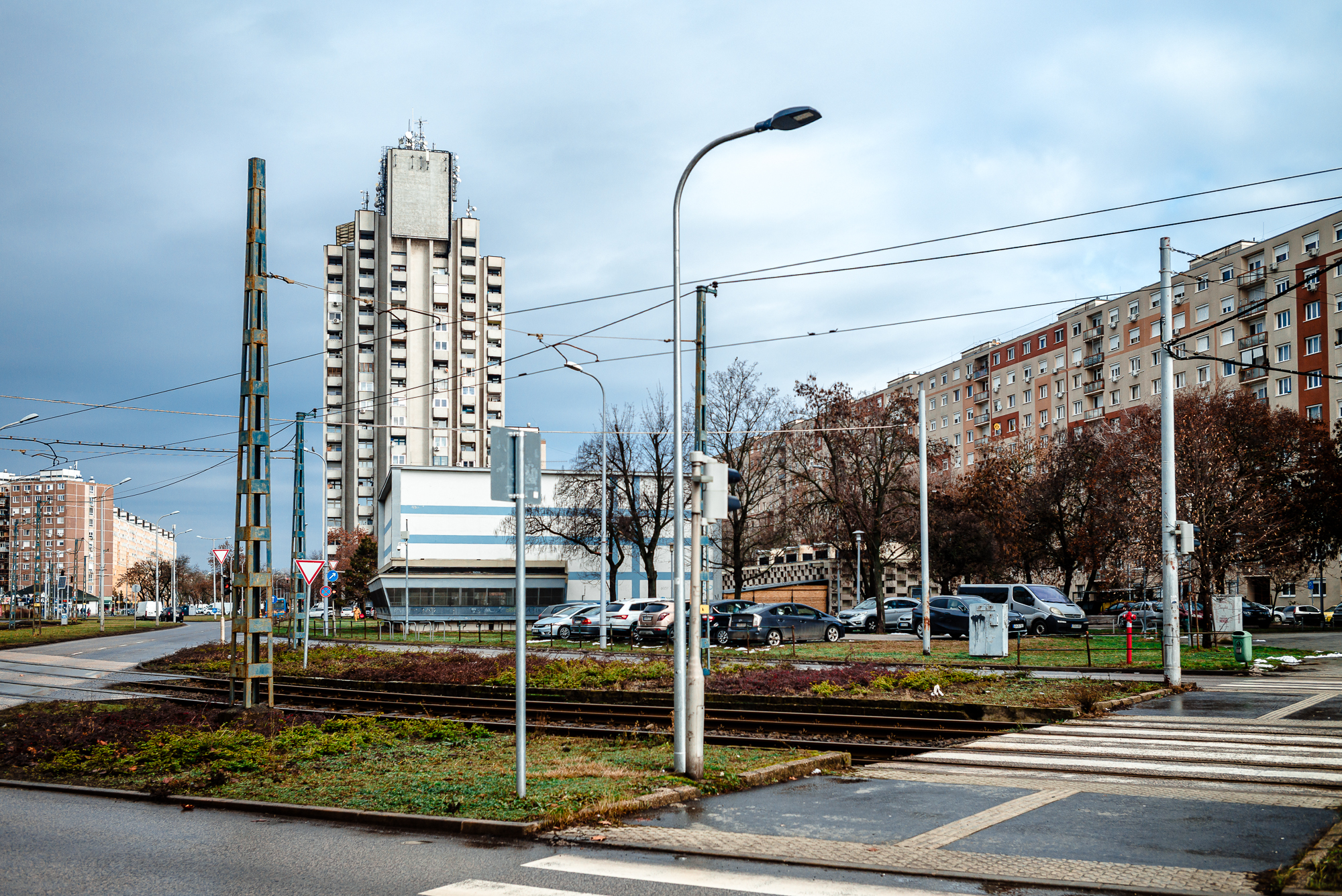
housing estate, a towering “skyscraper”
rising out of the sea of panels was
nicknamed by locals as the CSÉBhouse or CASCO-house, depending on
which side they saw more frequently
due to the neon advertisements once
placed on the sides of the water tank.
Built with slip-forming technology, the
Watertower House remains Budapest’s
tallest residential building at 70.9
meters, with two-story artist studios on
the top floor.
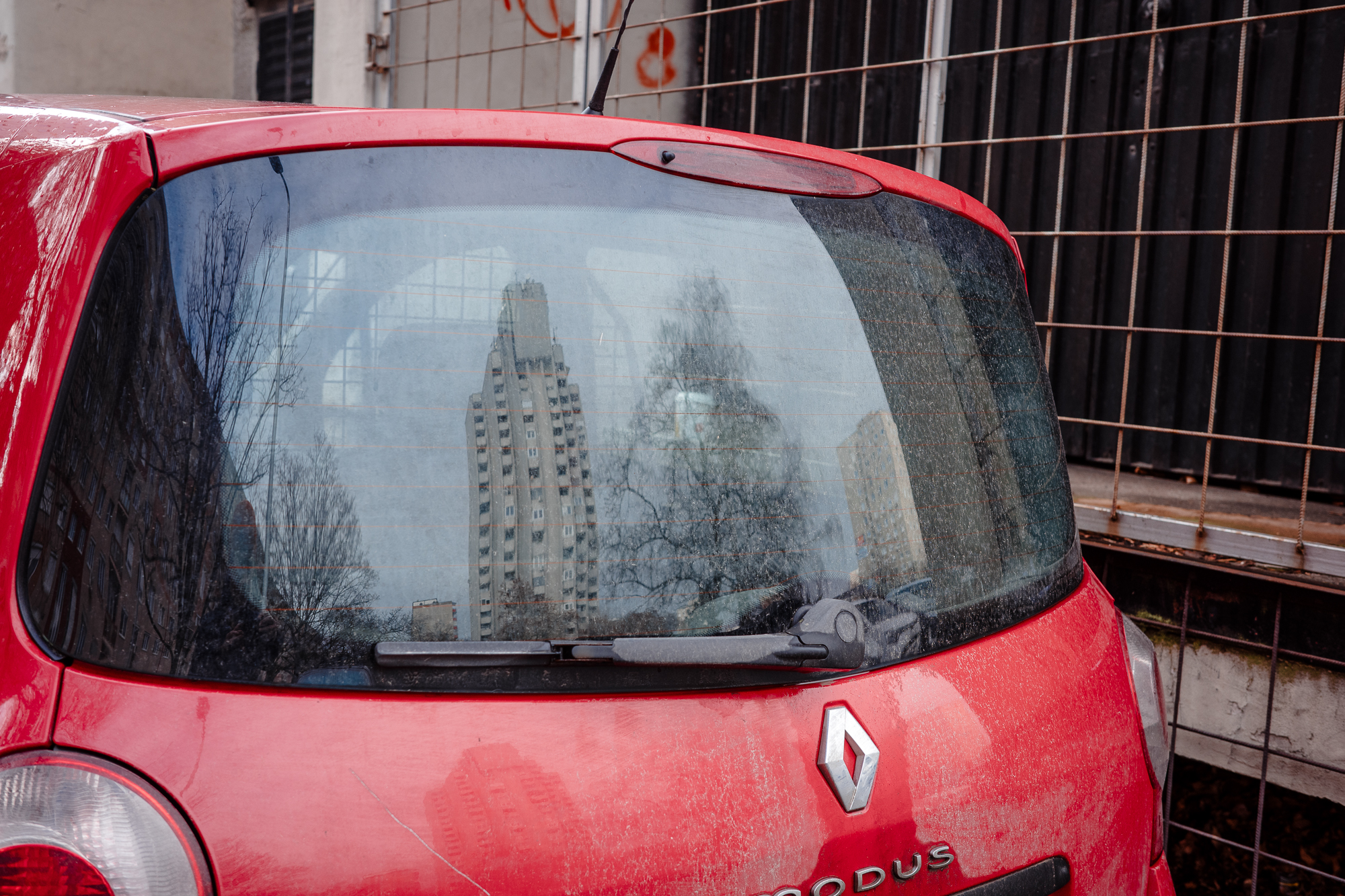
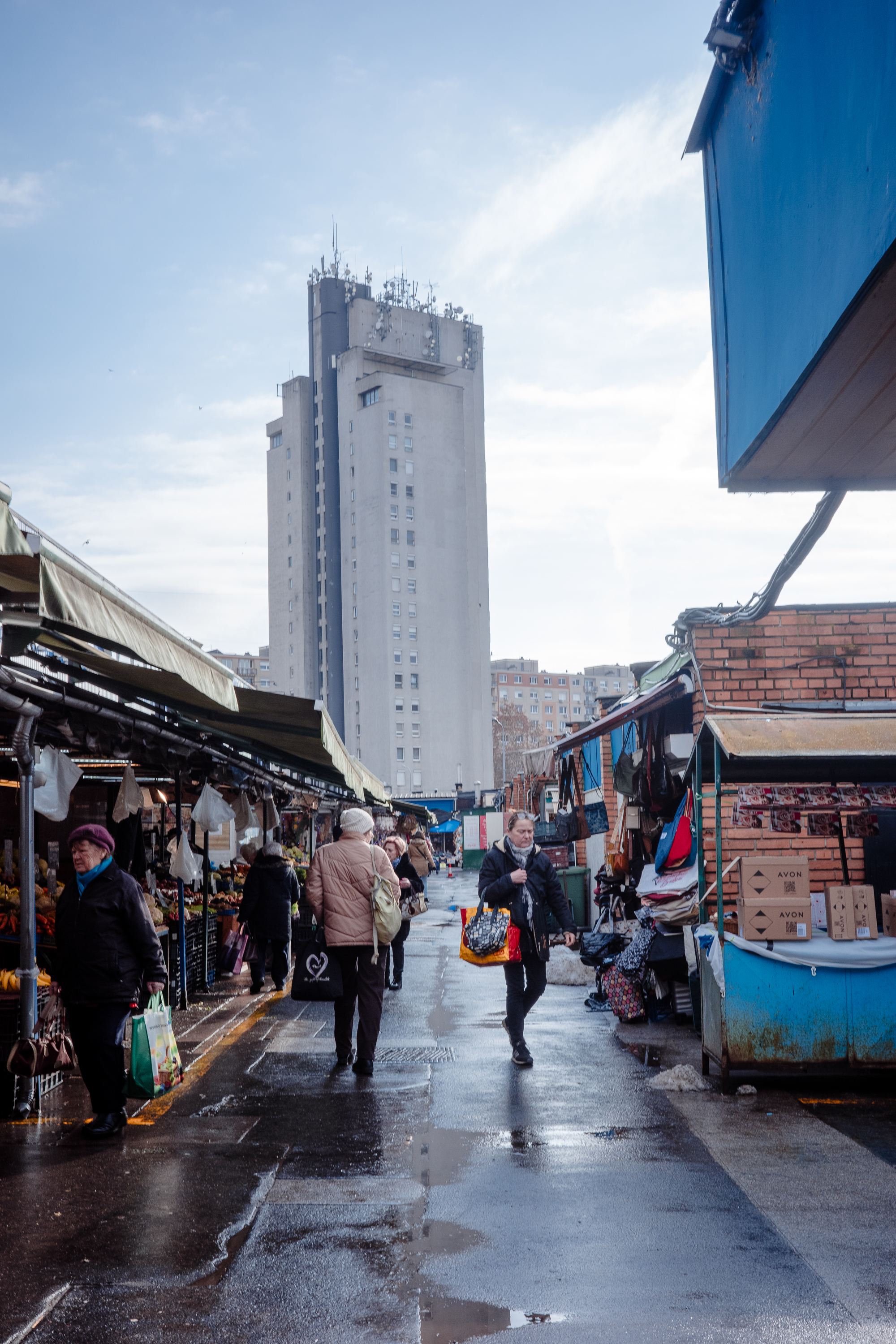
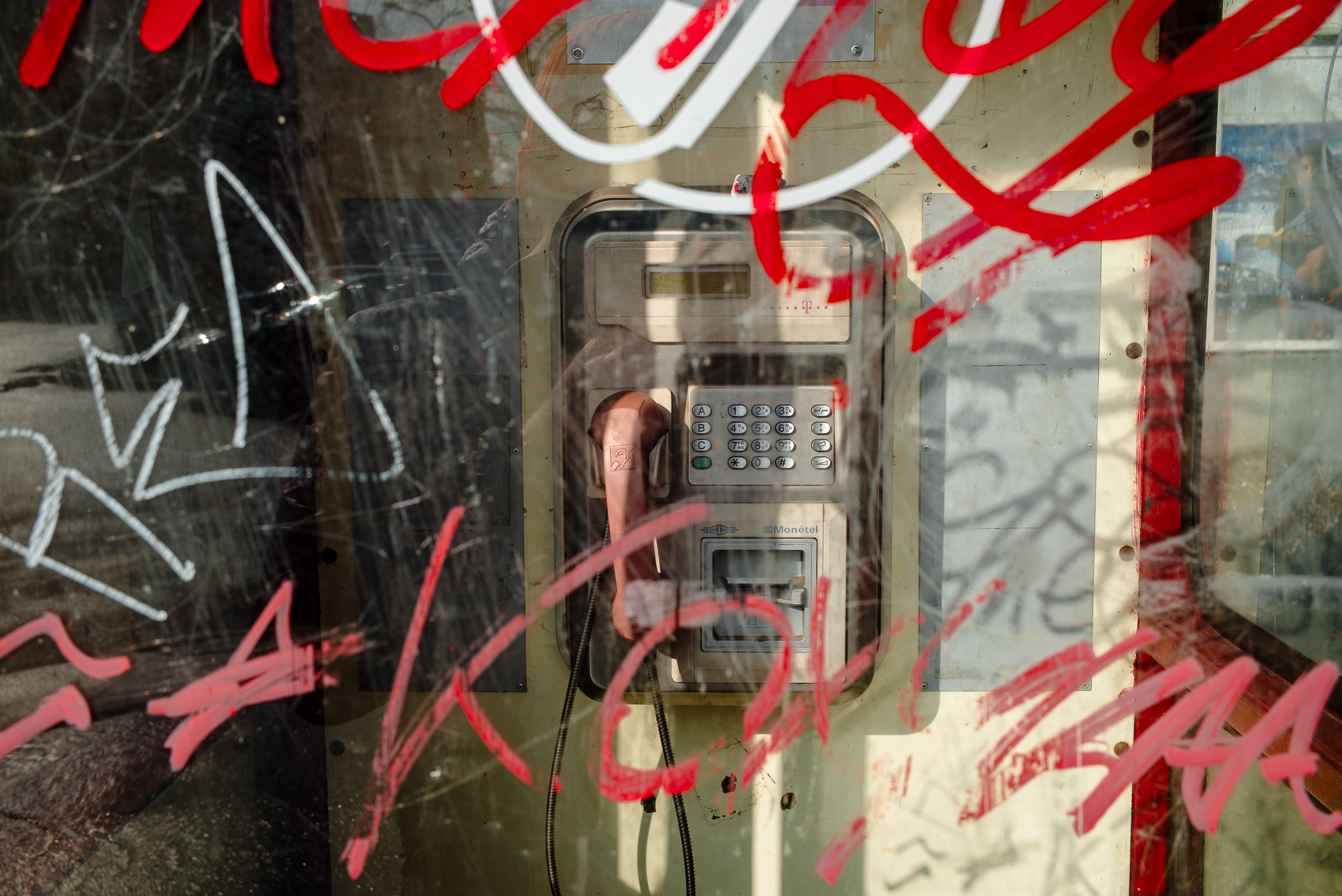
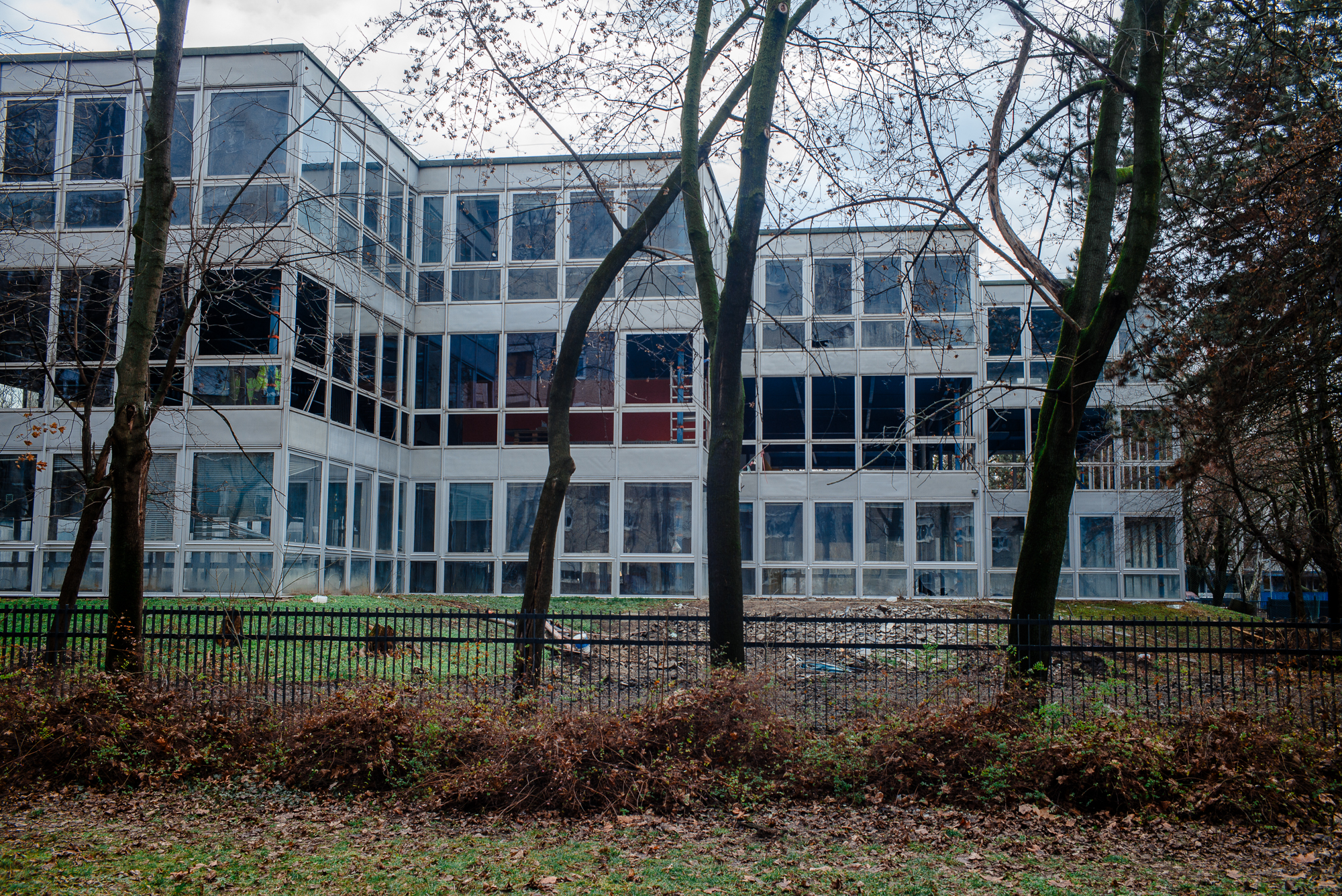
My route started from the bus stop beside the Centenary Monument, and almost immediately the magnetic pull of Watertower House drew me towards it. From there I wandered through the estate, visiting the market hall, churches, schools and apartment blocks highlighted on the map.
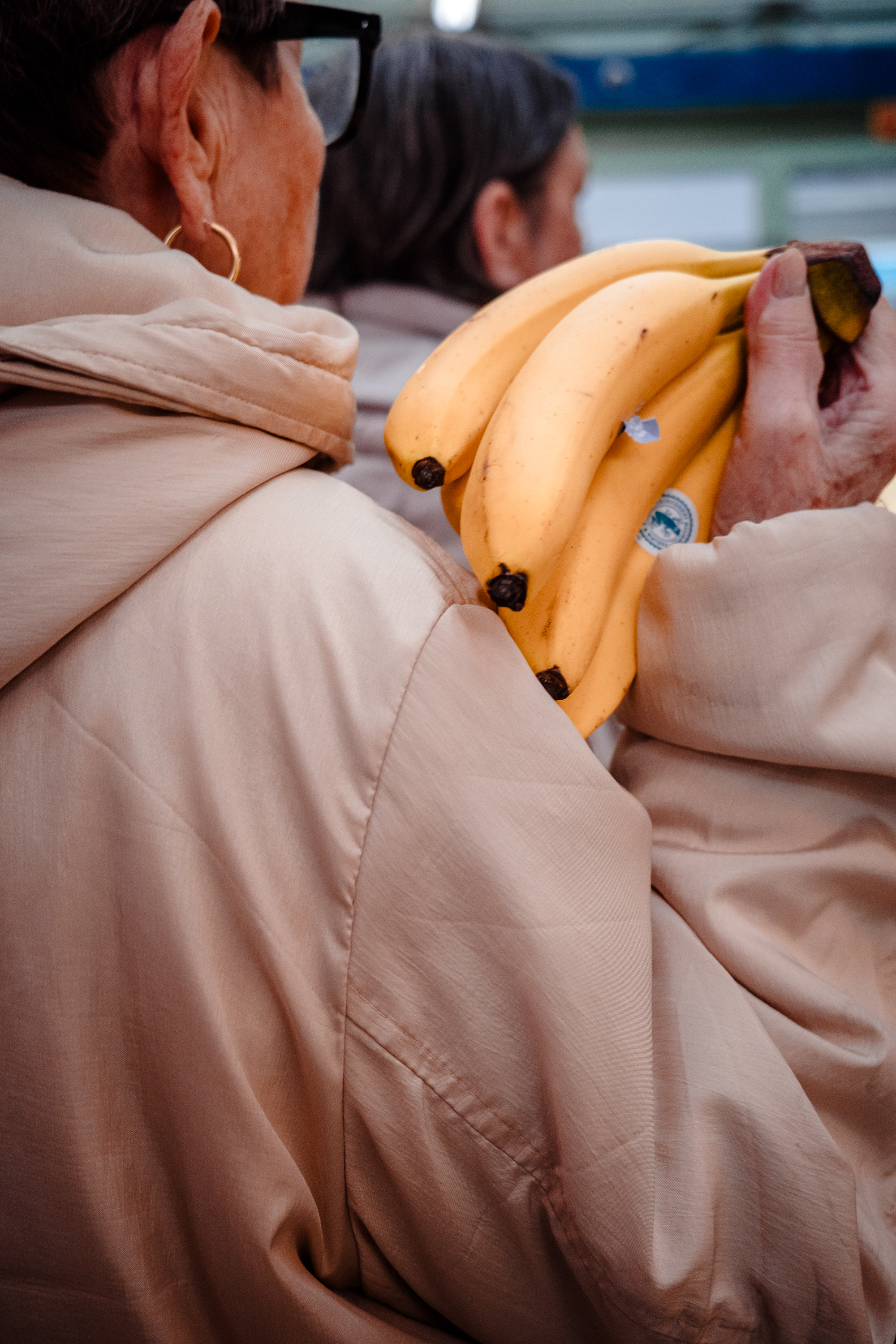
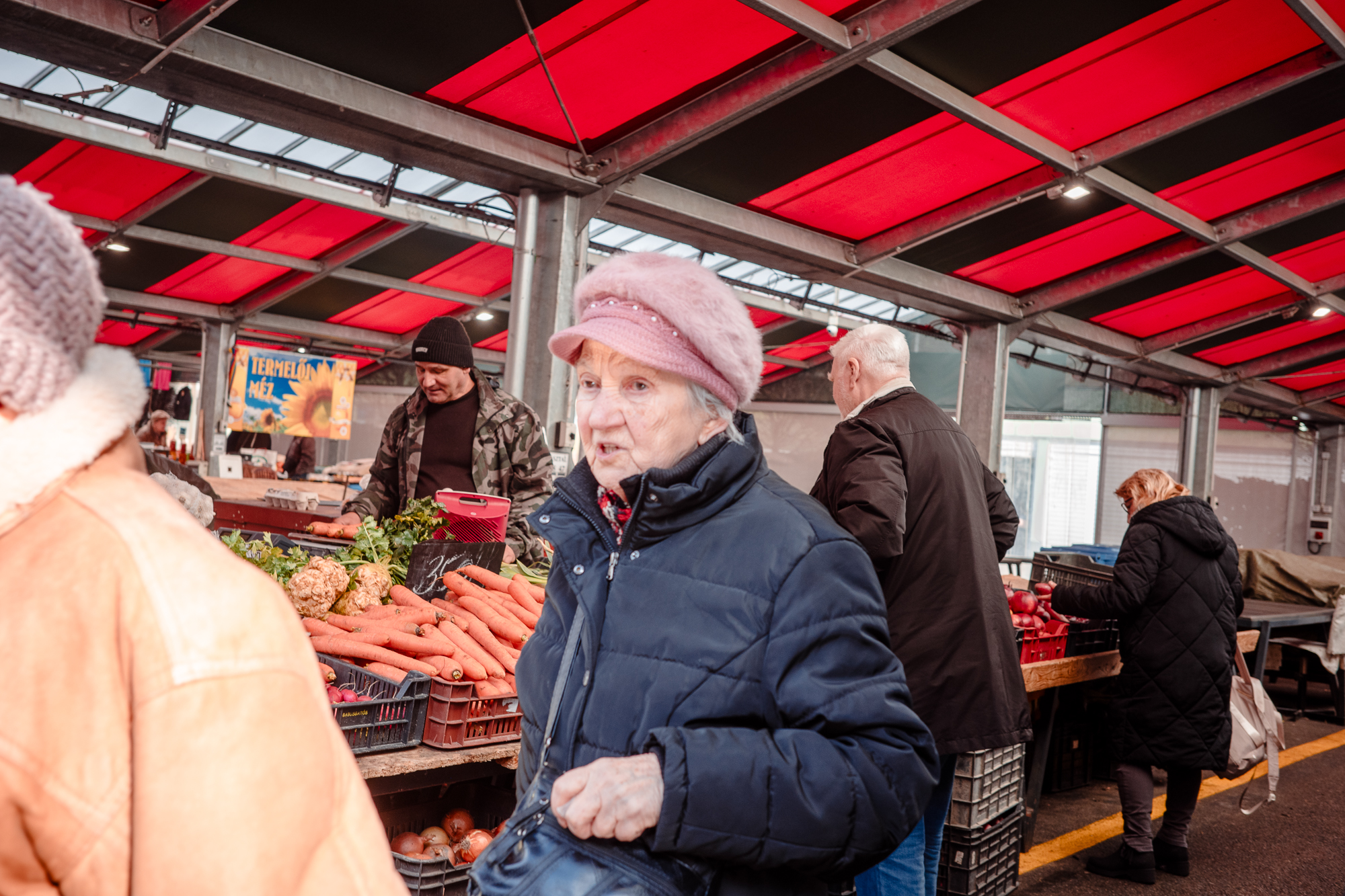

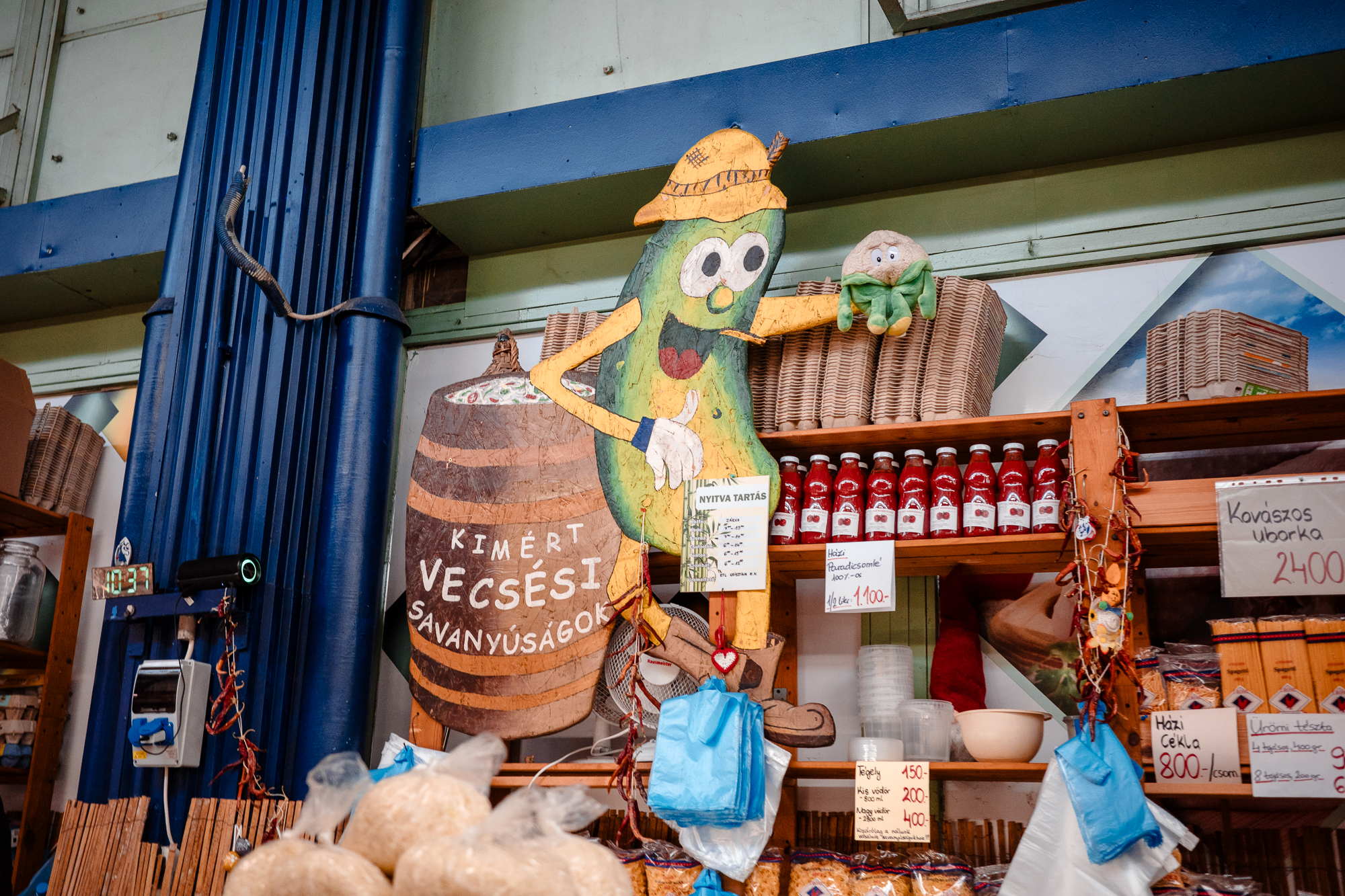
Újpalota felt rather more faithful to its working-class roots than Kelenföld, and I suspect housing here is still less sought-after. But that slightly rougher edge also gave the walk a different character — a reminder that these estates were built first and foremost as places for ordinary people to live.
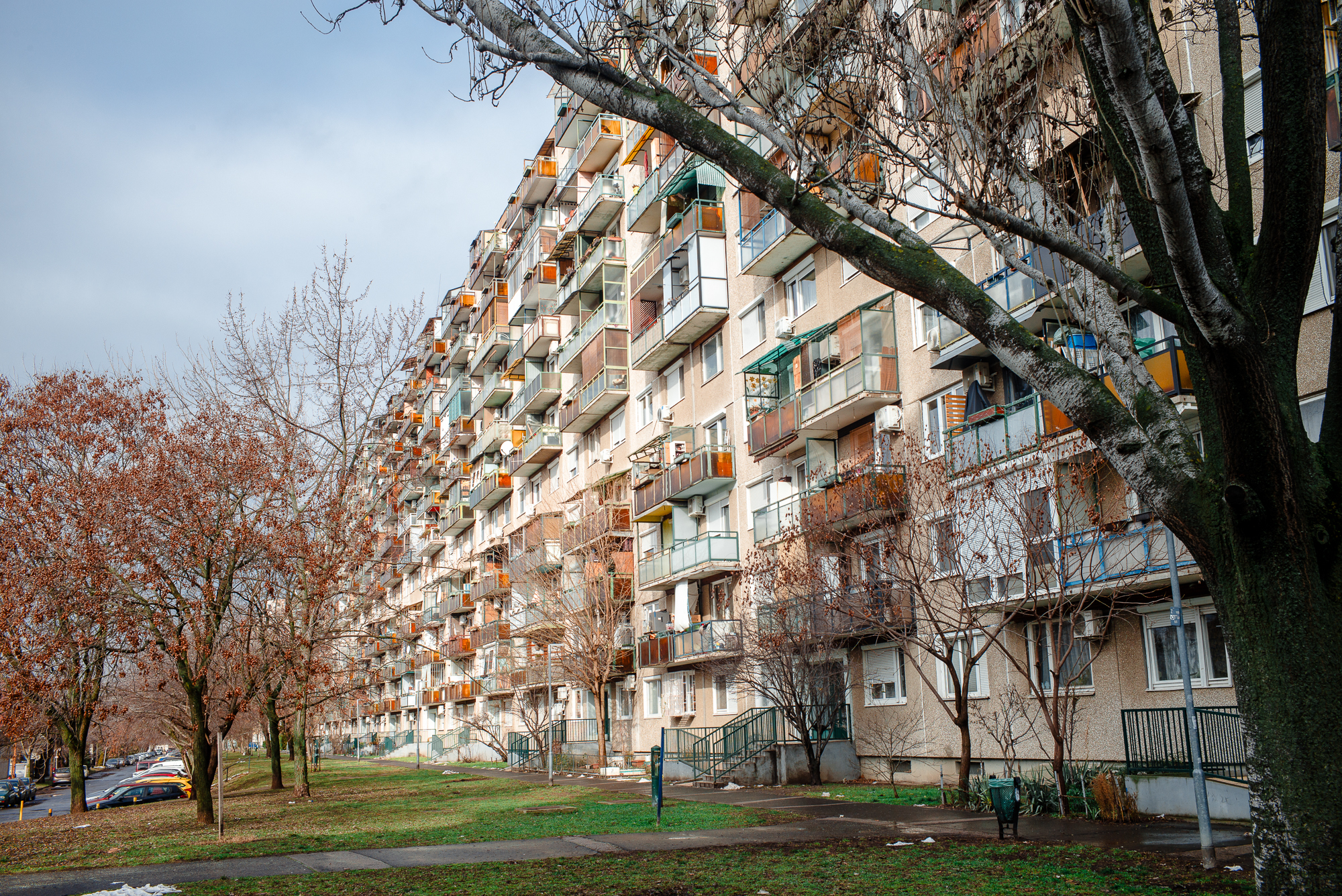
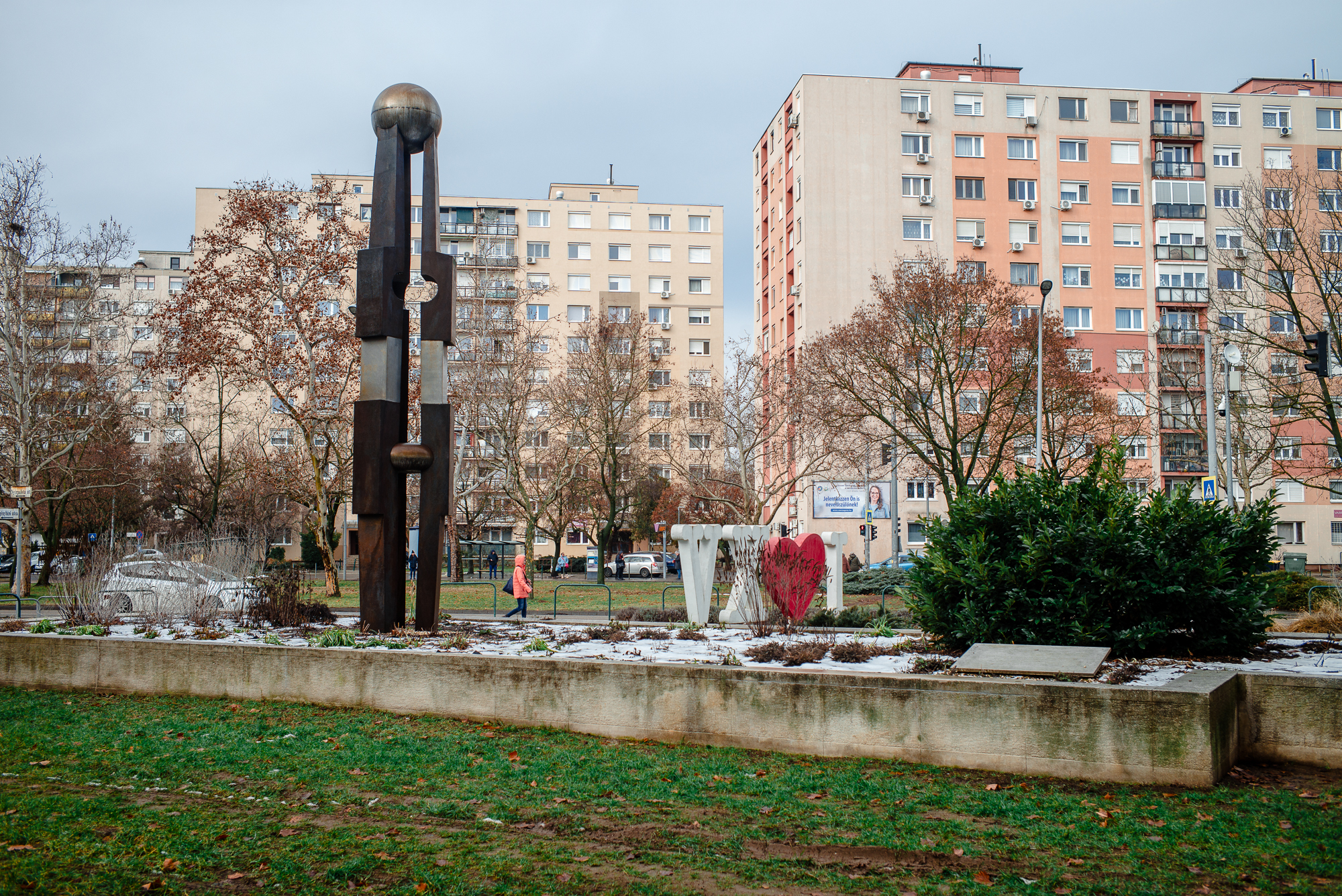
Walking through places like Kelenföld and Újpalota offers a reminder that cities are shaped as much by everyday housing as by grand monuments. These estates may never appear on the classic Budapest itinerary, but they tell just as important a part of the city’s modern story as the more familiar landmarks close-by.
 Barnaby Nutt