Łódź is a city in central Poland – the country’s fourth largest. It’s pronounced something like “Wudge”, which usually needs saying out loud before it makes sense. The word łódź also literally means a boat or barge — slightly ironic given the city sits nowhere near the sea and there’s no major river running through it.
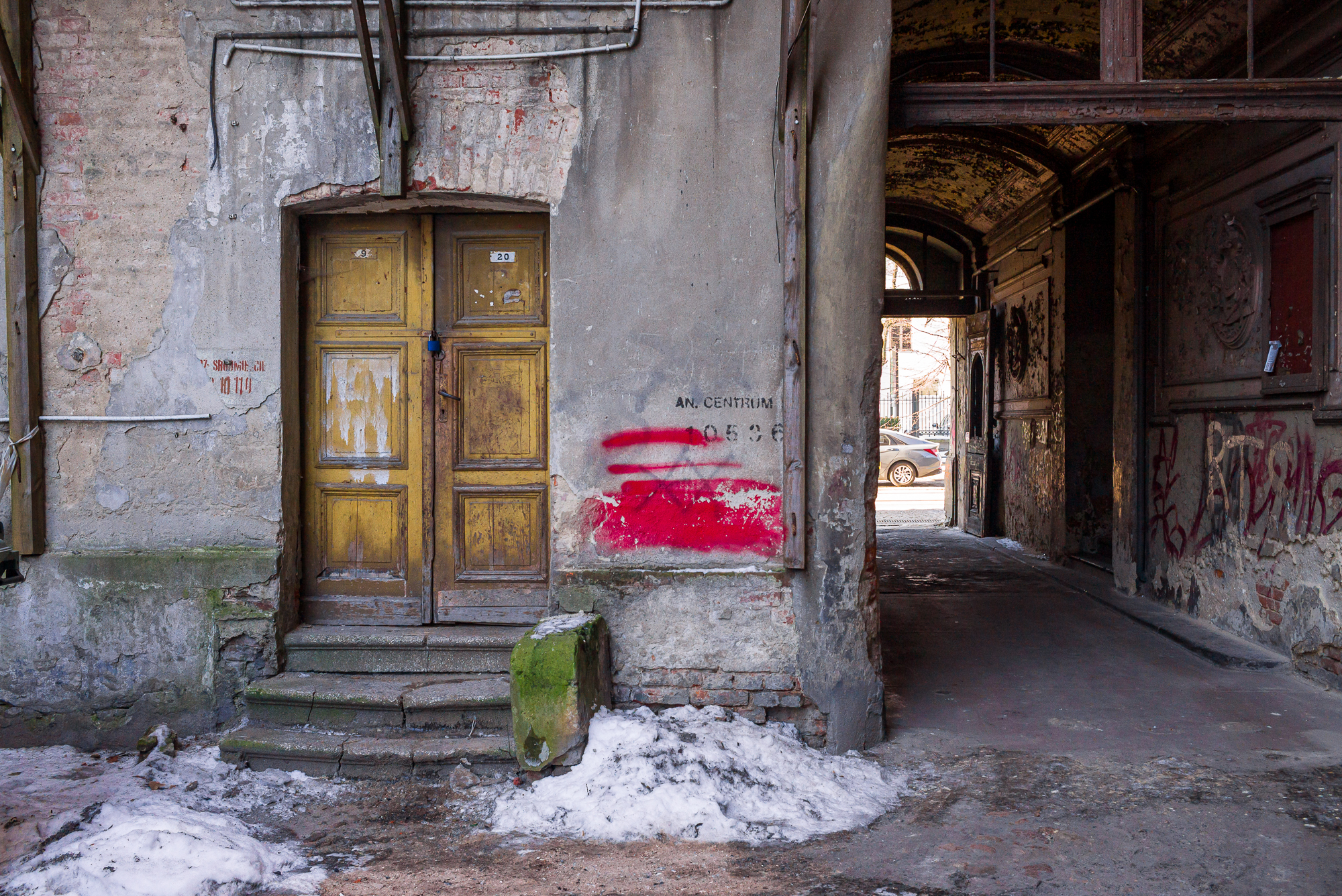
The city has a long and interesting history, although if you’ve read anything else I’ve written you’ll know that pure history isn’t usually what floats my… ehem, łódź. The city exploded in the 19th century as a textile manufacturing powerhouse — at one point it was one of the fastest-growing industrial cities in Europe. That boom brought huge wealth, grand factories, ornate townhouses for industrialists, and dense workers’ housing. Then the 20th century — wars, occupation, communism, economic shifts — knocked it about more than once.
And you can still see all of that history written on the walls and crunching underfoot.
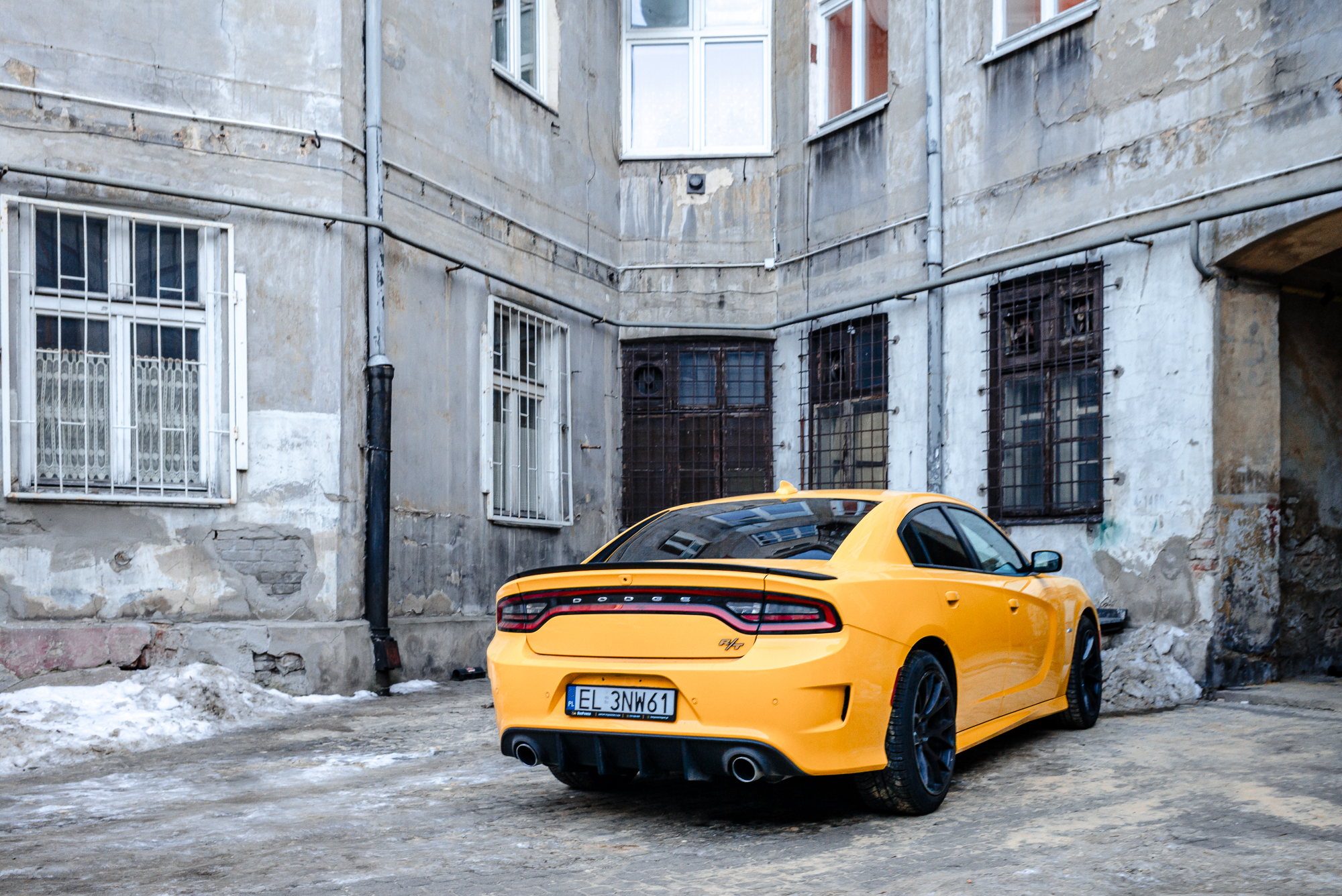
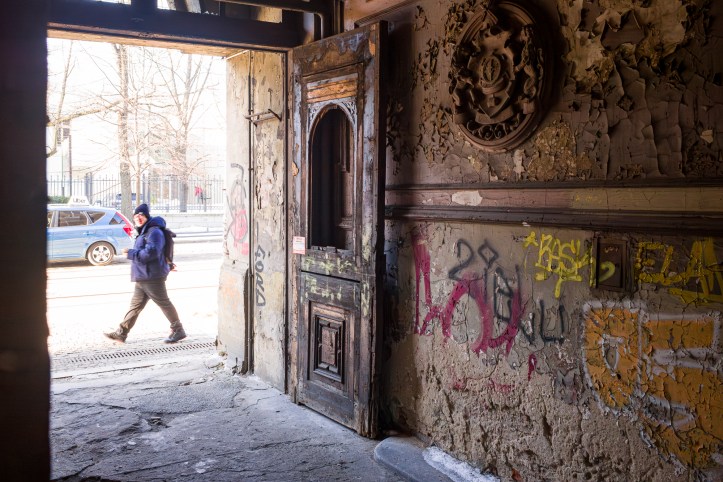
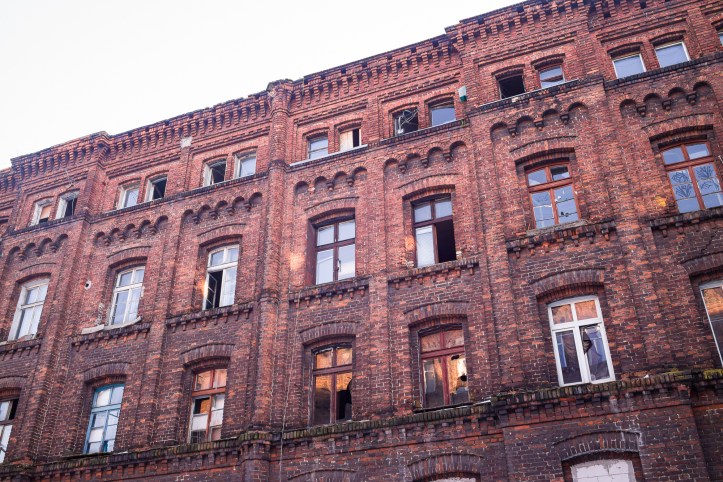
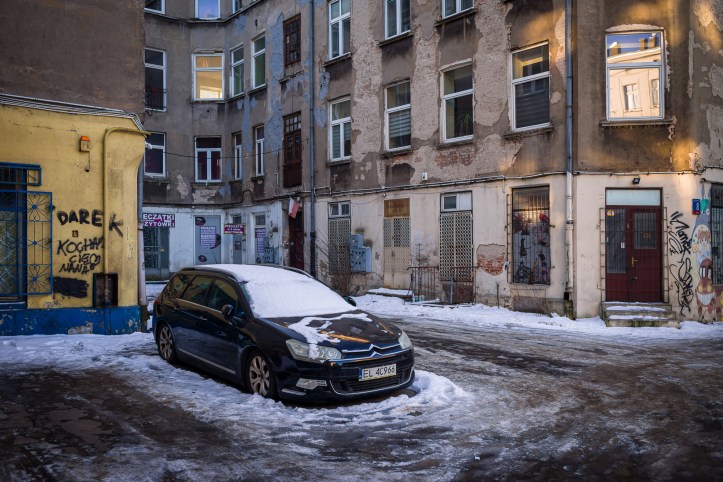
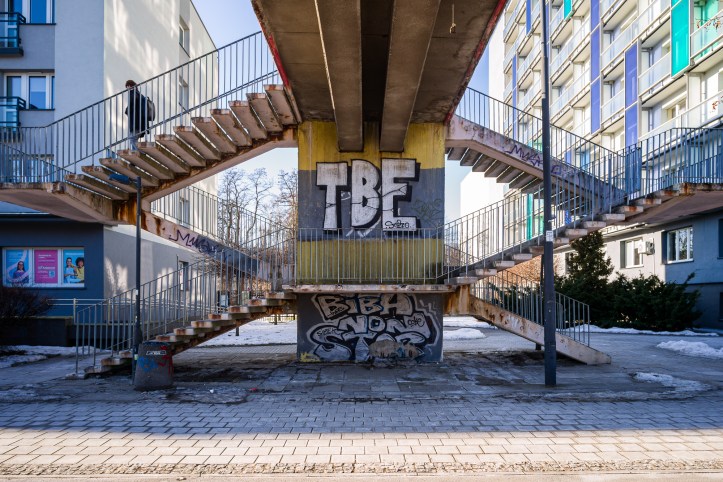
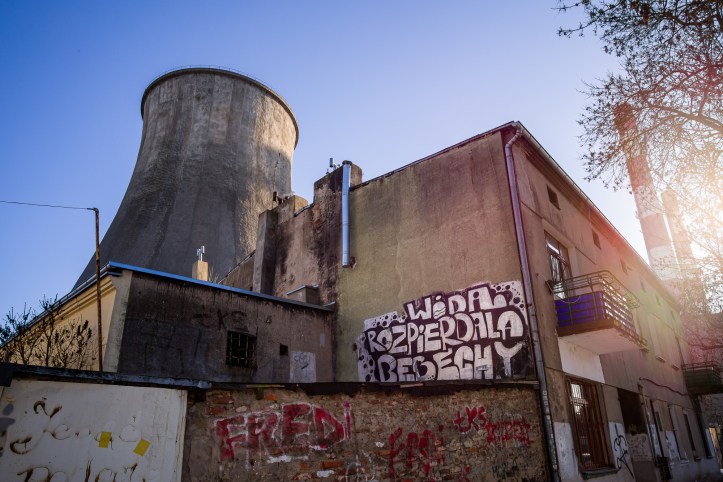
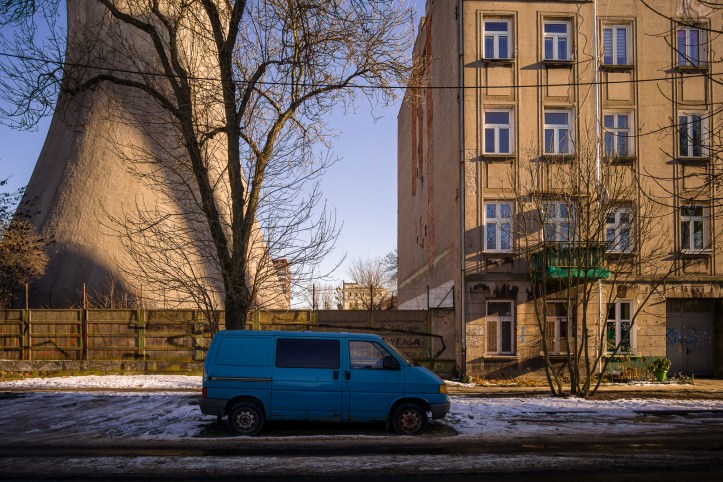
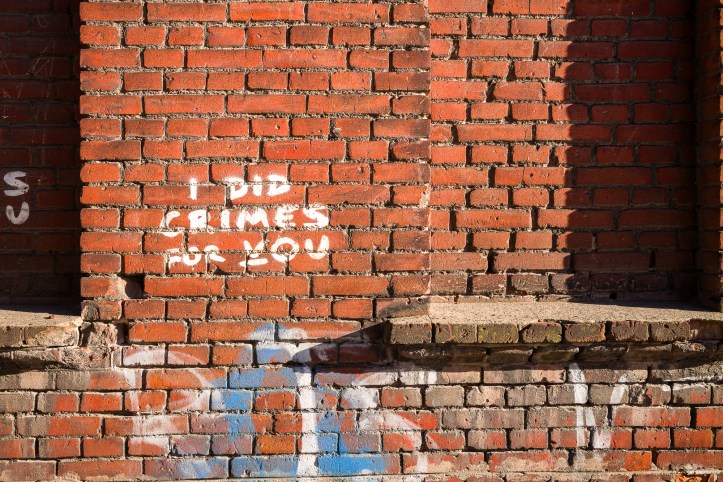
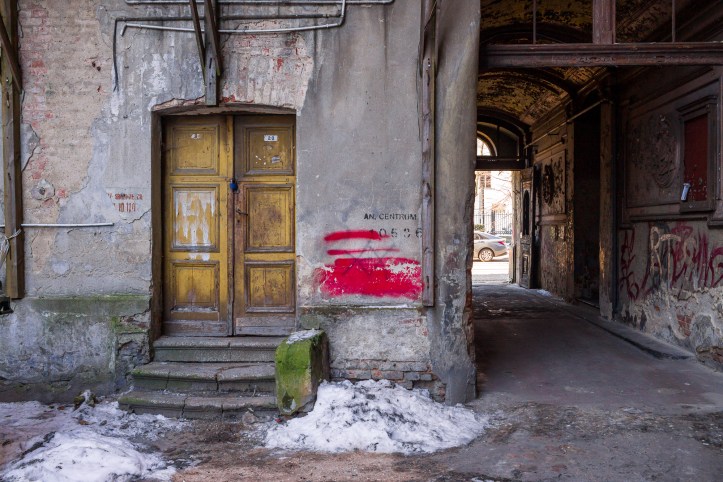
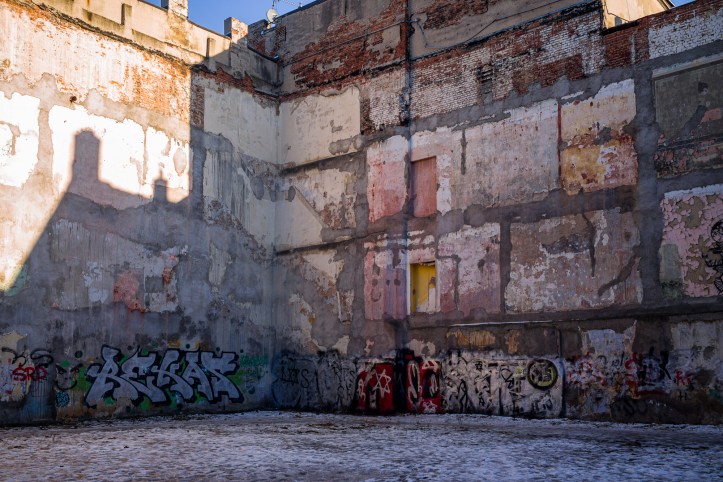
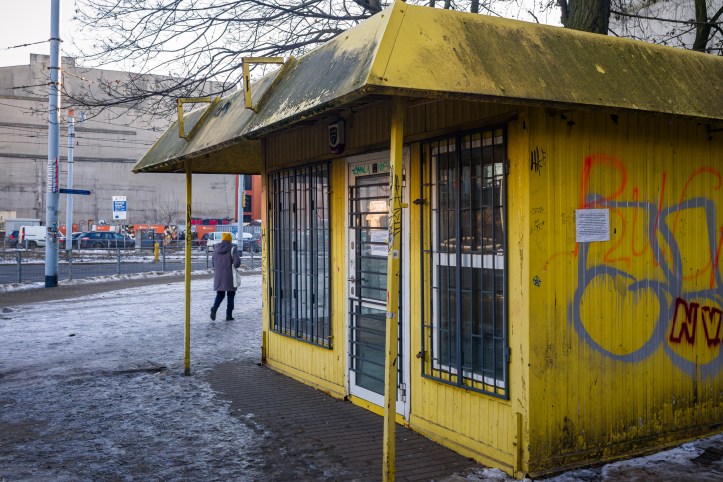
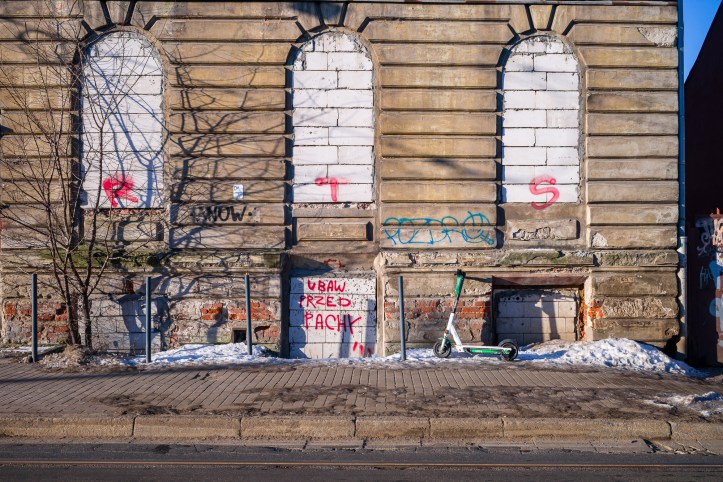
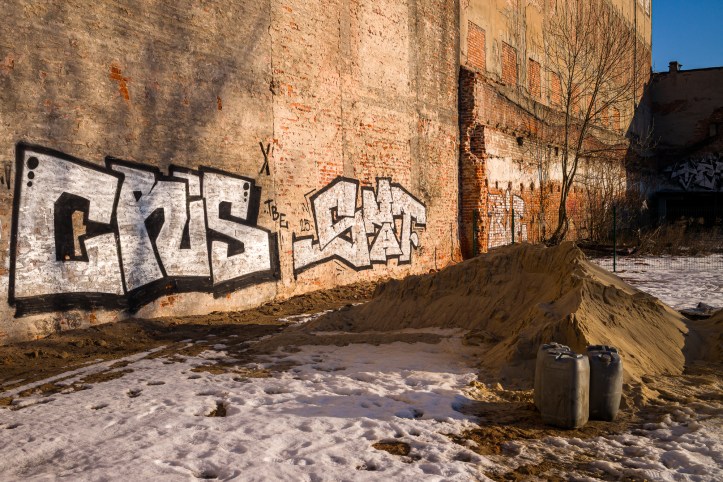
What Łódź has, like few places I know, is grit, patina and the physical scars of constant change — building, decline, rebuilding, optimism, stagnation, repeat – investment then depression; boom then bust. It feels layered. The strata of generations past and something I much prefer to any amount of polish.
When I first started coming to Poland in the early 2000s, much of the country still looked a little ‘worn around the edges’. Former glories faded, infrastructure tired, paint peeling. Since then, EU investment and the money Poles earned working abroad (and often bringing back home) have helped drive one of Europe’s strongest-growing economies. You see that transformation clearly in cities like Warsaw, Wrocław or Gdańsk — shiny refurbishments, modern transport, restored old towns.
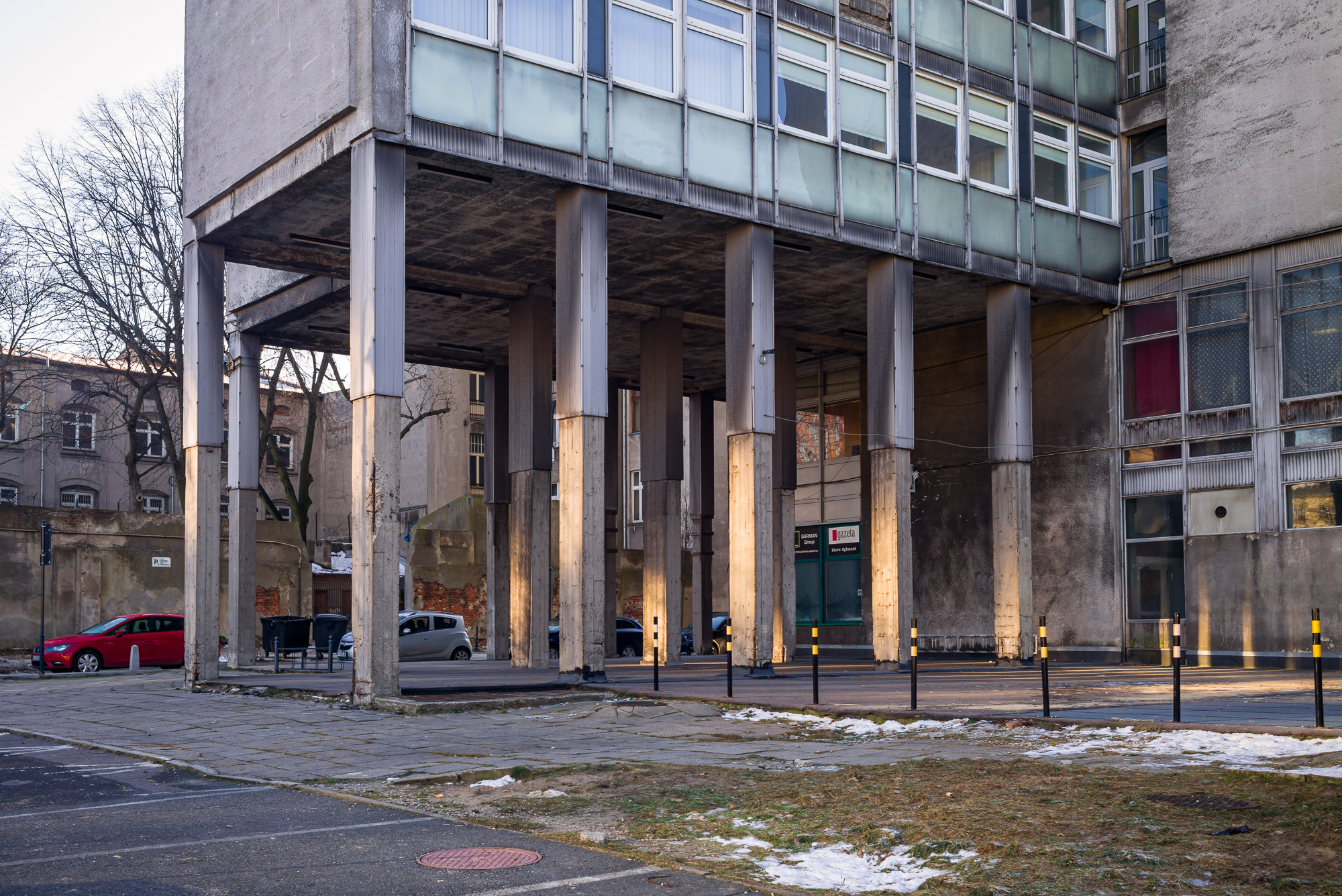
Łódź, though? It feels like it’s lagging behind in this latest evolution. Yes, the huge Manufactura complex is spectacular: a vast former textile factory turned into a shopping, arts and leisure complex and attraction. Piotrkowska Street too, the city’s long main shopping street, looks good, especially after dark when the bars and lights kick in.
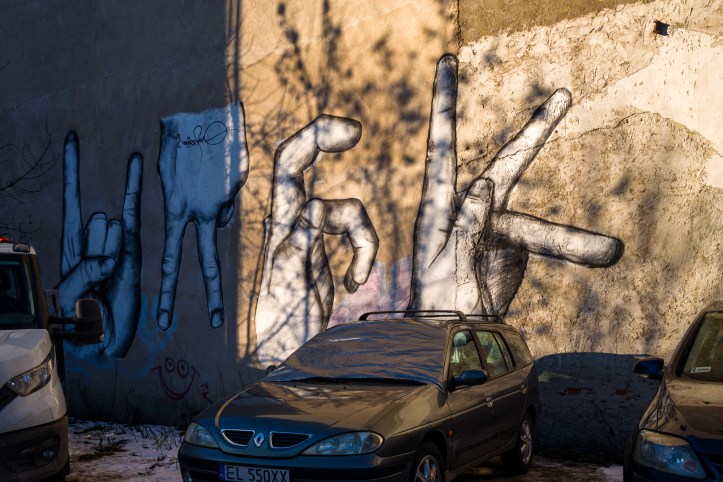
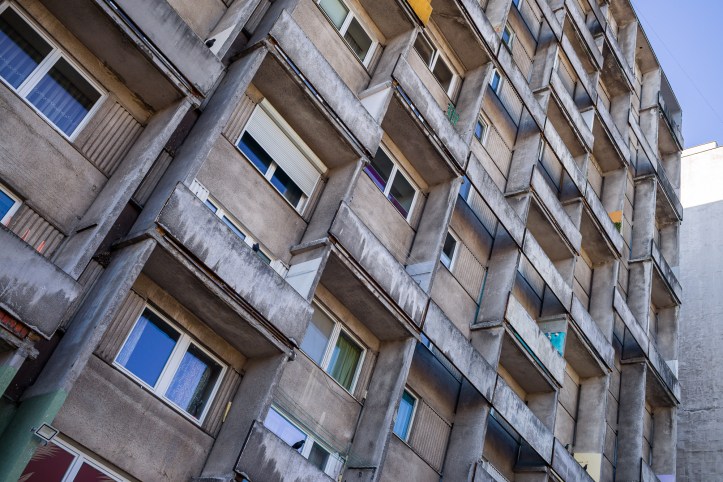
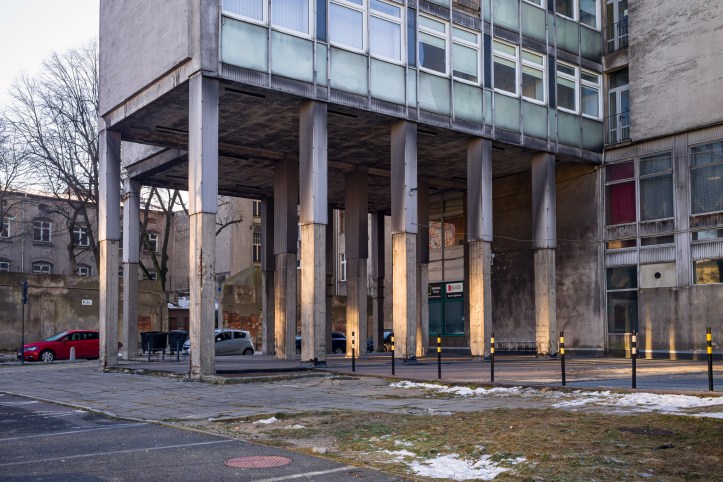
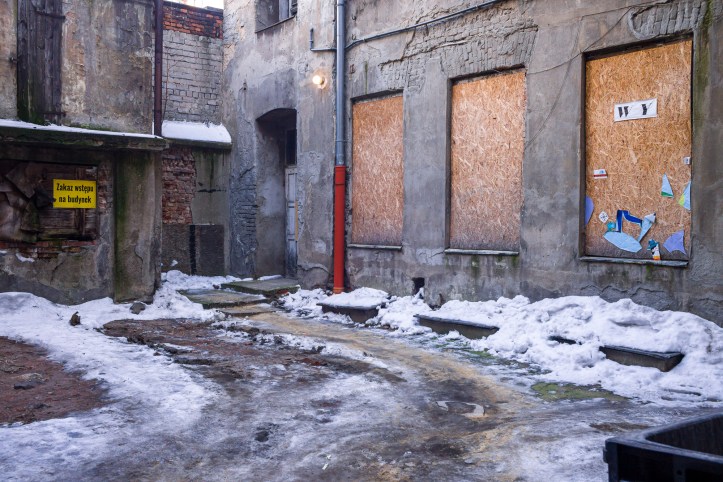
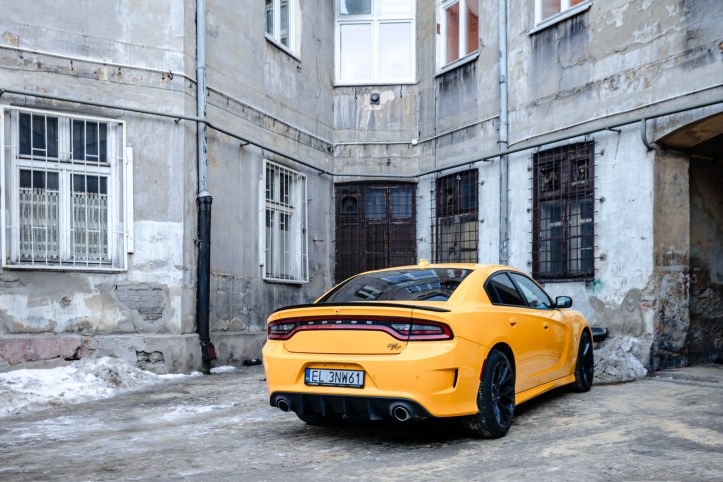
But wander a block or two off this main drag and you quickly find yourself among crumbling tenements, flaking plaster, patched brickwork and courtyards that look like they haven’t changed much in decades…
…and, that’s exactly why I love it.
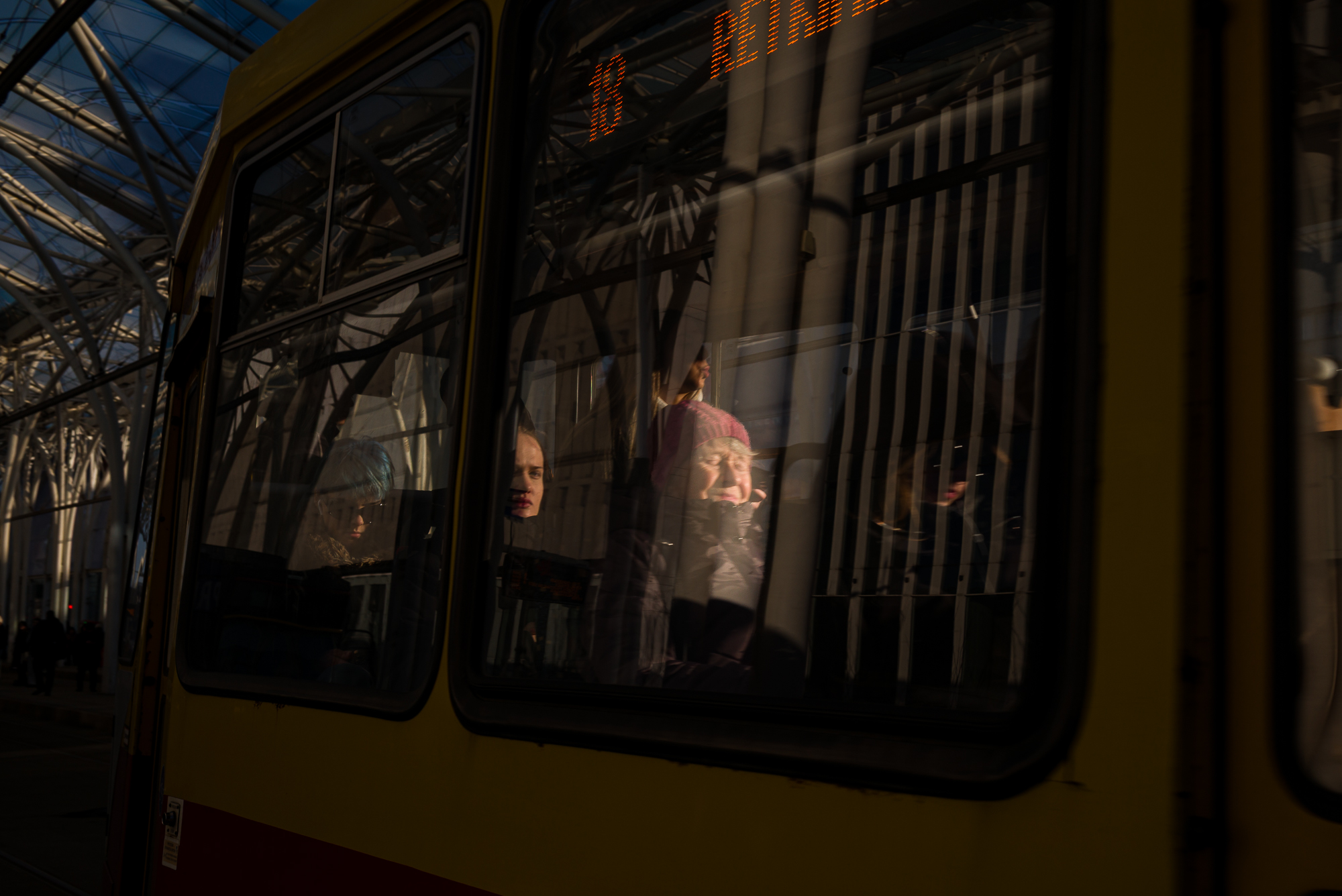
So on a cold January day, about a week after a photowalk in Wrocław helped nudged my photographic mojo back into life, I set off early (well, early by the standards of someone currently between careers) and drove up to Łódź with no real plan beyond wandering and seeing what caught my eye.
Gieven everything I’ve written above, it felt noticeably less edgy than on previous visits. The first time I walked down ulica Włókiennicza years ago, I distinctly remember slipping my camera back into the bag and quickening my pace a bit. Nowadays, after a light sprinkling of gentrification, it feels calmer, less intimidating — somewhere you can linger, especially if the sun’s out.
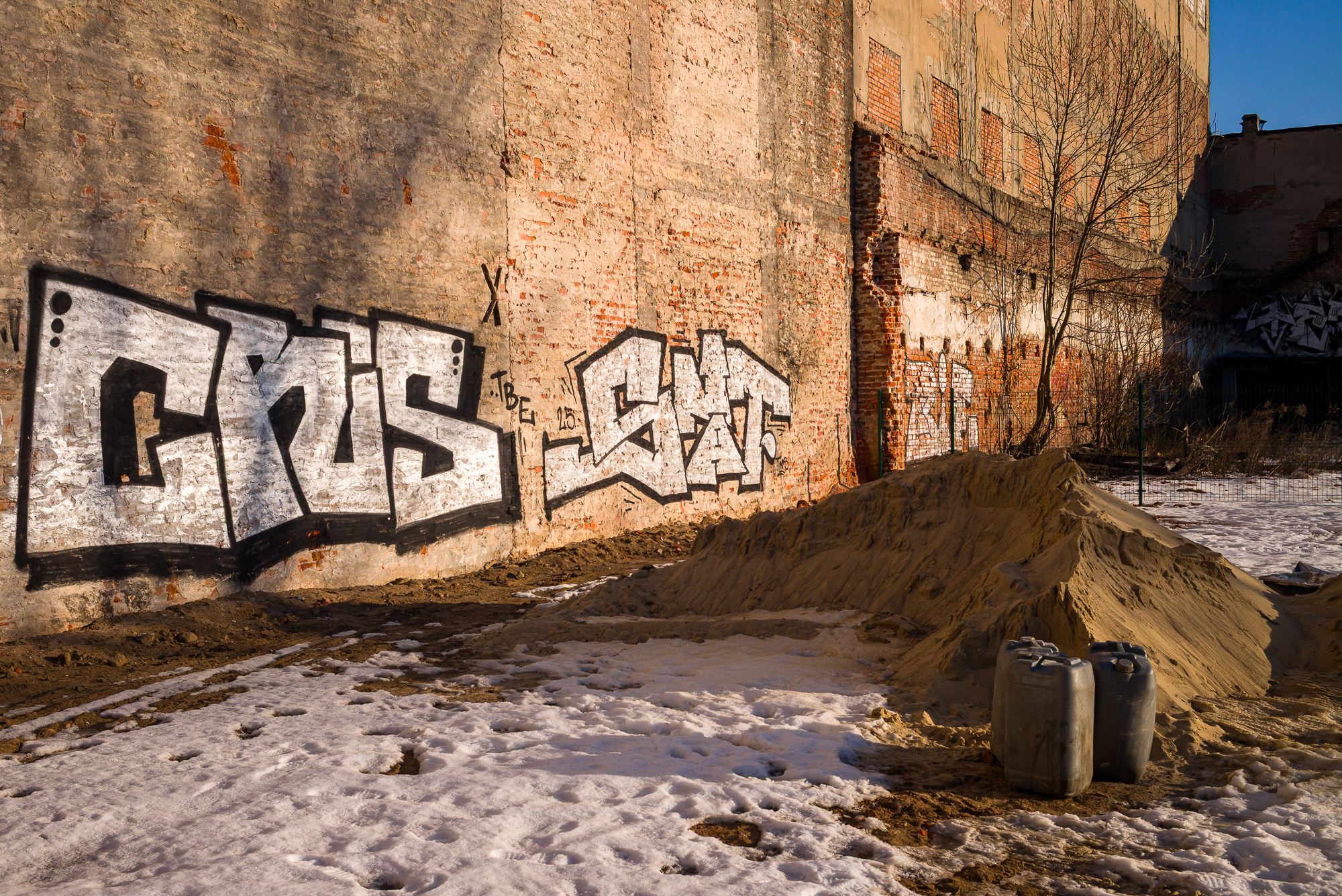
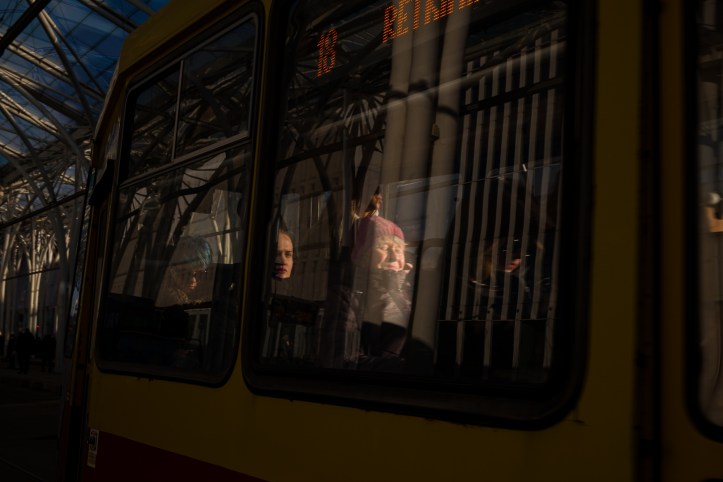
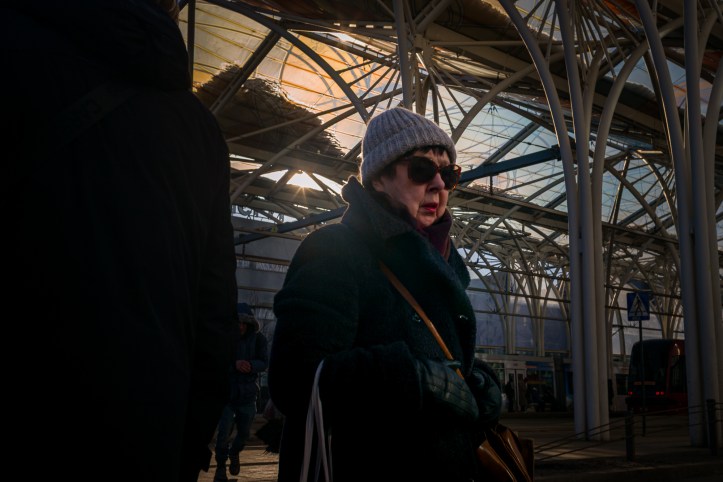
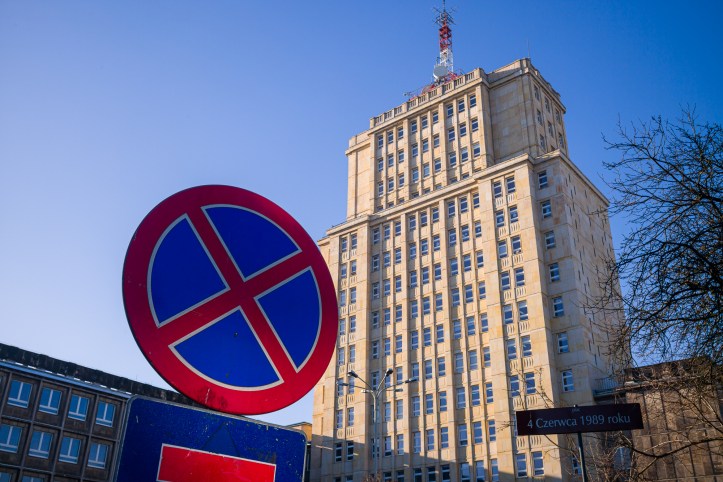
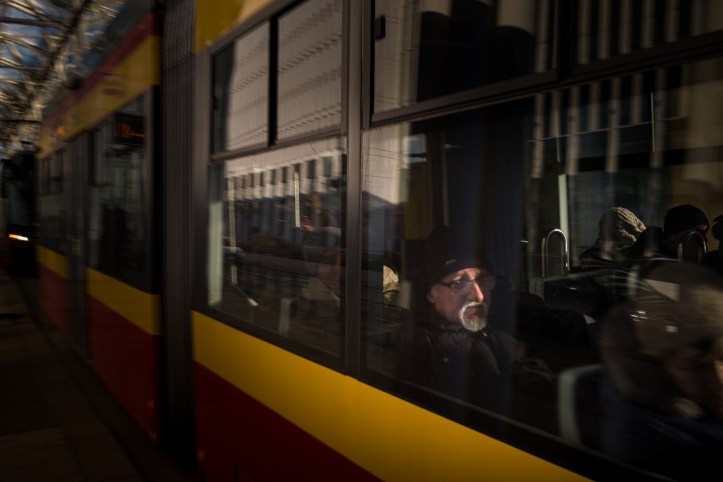
And speaking of sun — the light that day was incredible. Low winter sun does magic things anyway, but on those textured façades — cracked render, soot-darkened brick, faded paint — it created this warm golden glow that softened everything without hiding the rough edges.
I kept things simple with just my Leica M262, 35mm Summicron mounted, 21mm tucked in the bag just in case. I ended up walking about 23 km over five and a half hours and shot around 150 frames. Not a bad day’s wandering by any measure.
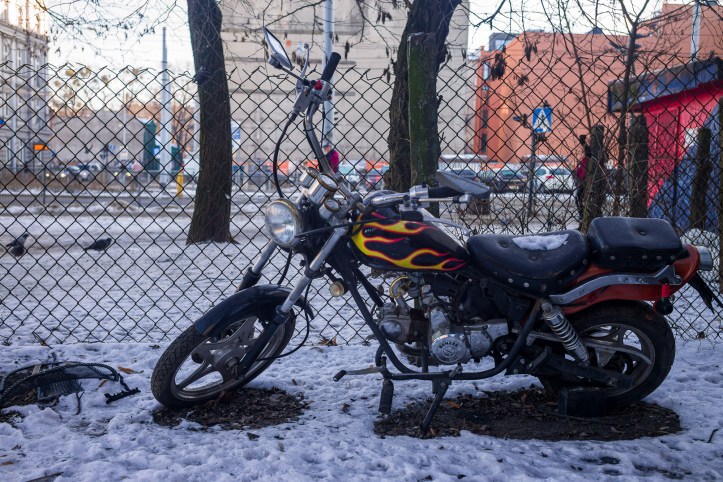
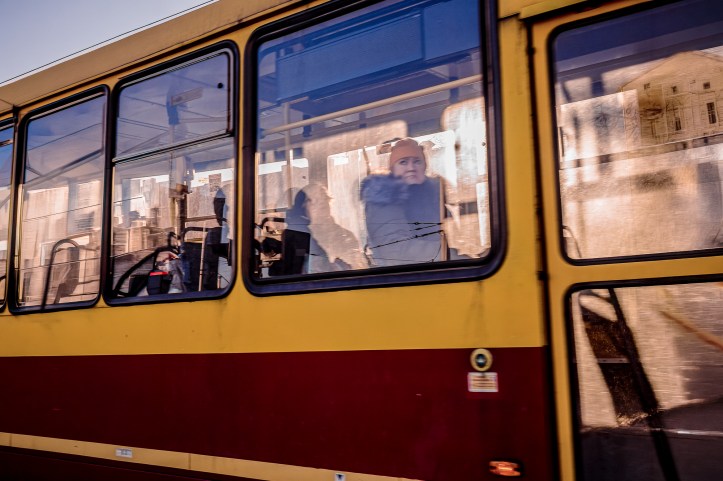
Here are a few of the snaps that came out of it…
 Barnaby Nutt
Nice take on Łódź! Reminds me of a photo project that my darkroom group was running every year for our culture centre annual exhibition: “Zaułki Zielonej Góry”. That’s exactly the vibe and those places I photographed 25 years ago seemed a bit boring, mandain and now – gone. Keep up the good work, spring is coming, I hope 😉
LikeLike
Hi Mateusz – thanks for taking the time to comment. Poland has changed so much over the last couple of decades that I’m glad that I’ve been documenting it so that I can look back through time in my archive.
It feels like it’s been a looooong winter!
LikeLike
Great street shots!
LikeLiked by 1 person
Hi Fred, I’m listening to your podcast right now and will also be copying your idea of a monthly round-up on my blog.
Thanks for taking a look…
LikeLike
Hey Barnaby. Happy to hear you like that idea and are listening to the podcast!
LikeLiked by 1 person
Thank you for the great explanation and recommendation. really the place to visit and to enjoy the old city vibes. Beautiful series of photographs
LikeLiked by 1 person
Thanks for looking Victor.
LikeLiked by 1 person