Wrocław is the nearest city to us since we moved to Poland. It’s a big place, with more than one and a quarter million people in the metropolitan area, around 10% of them students. That youthful energy, the steady stream of EU money over the past two decades, and the return of many of the UK’s Polish residents after Br**it mean Wrocław has been enjoying the same kind of revival seen in most Polish cities I’ve visited.
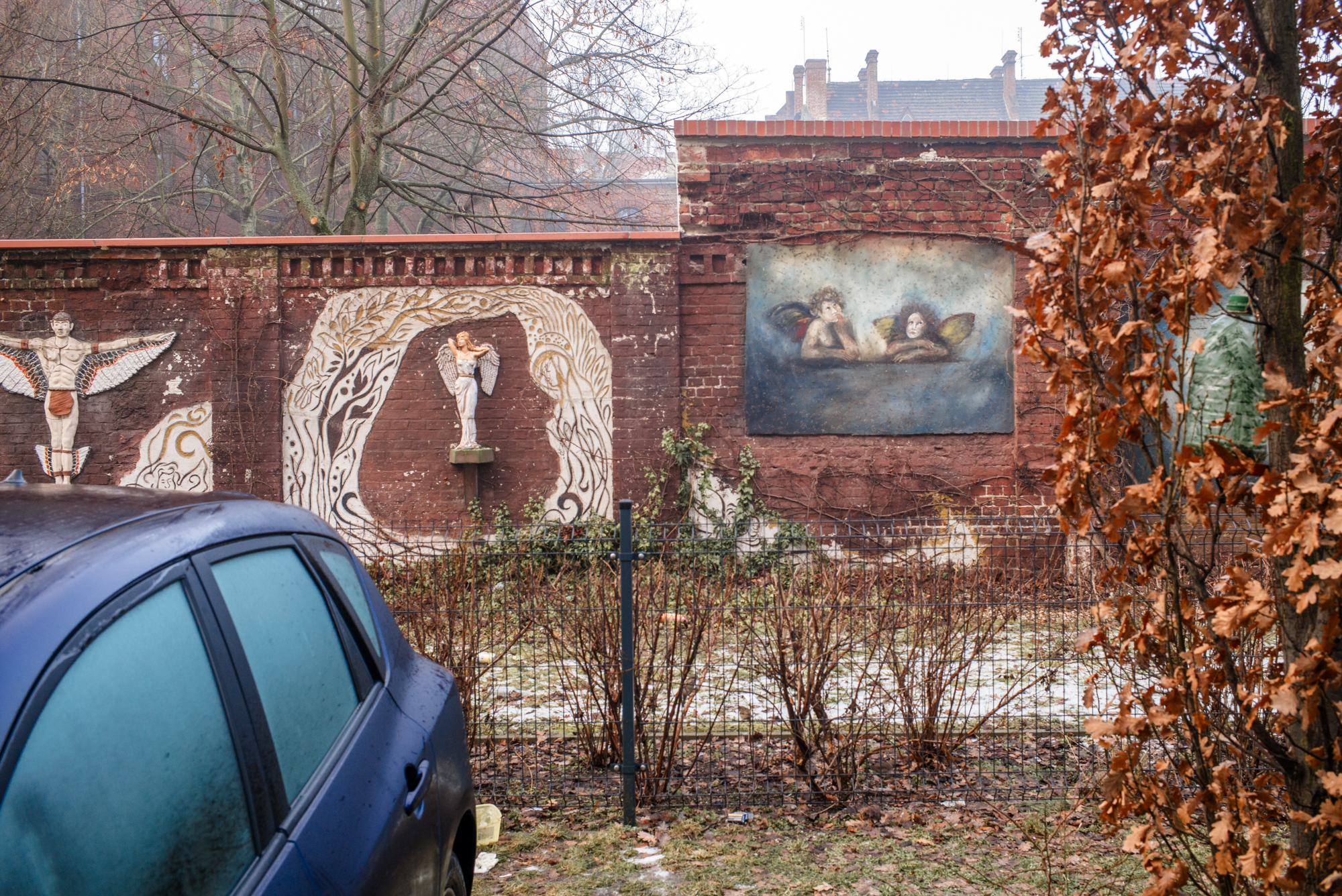
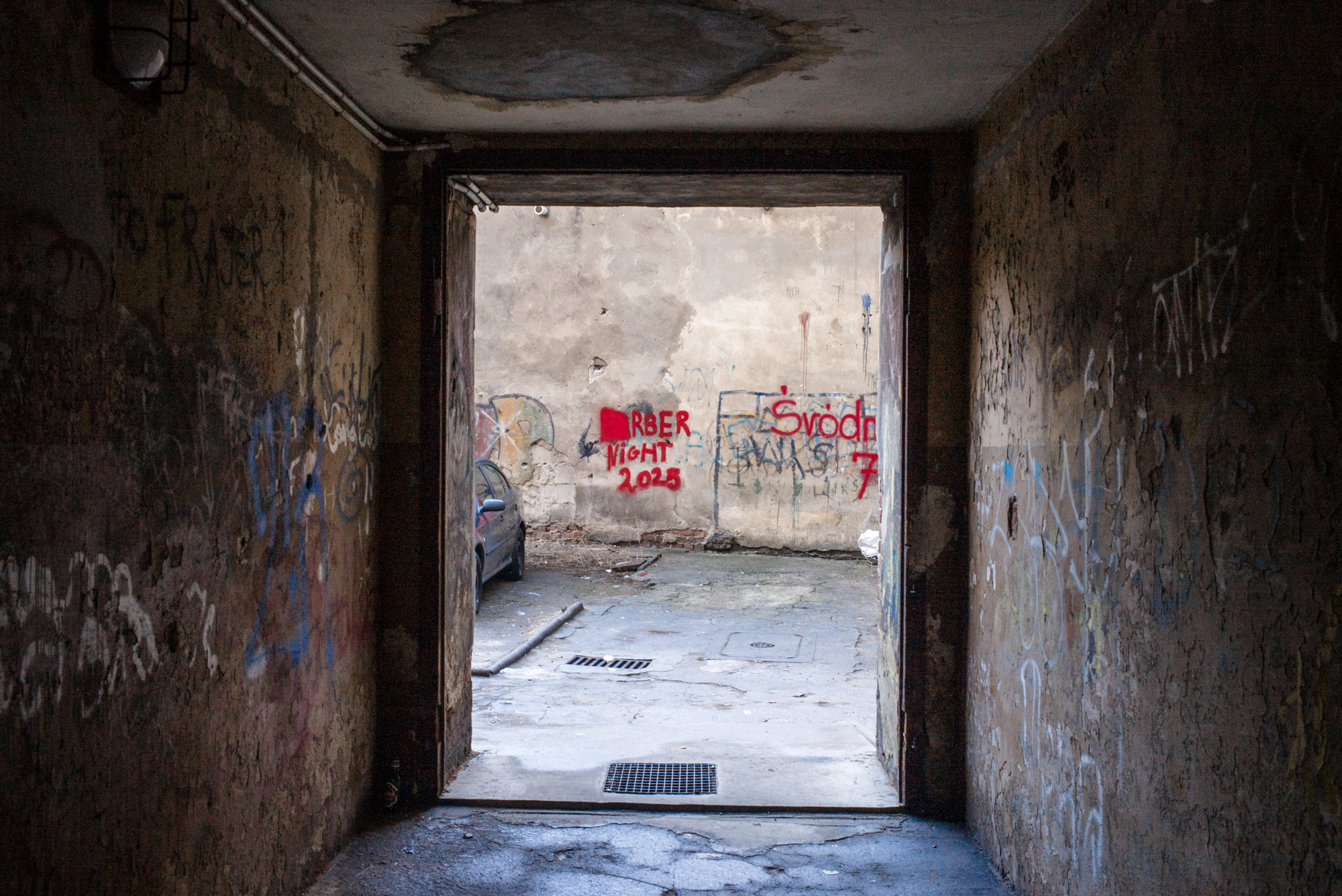
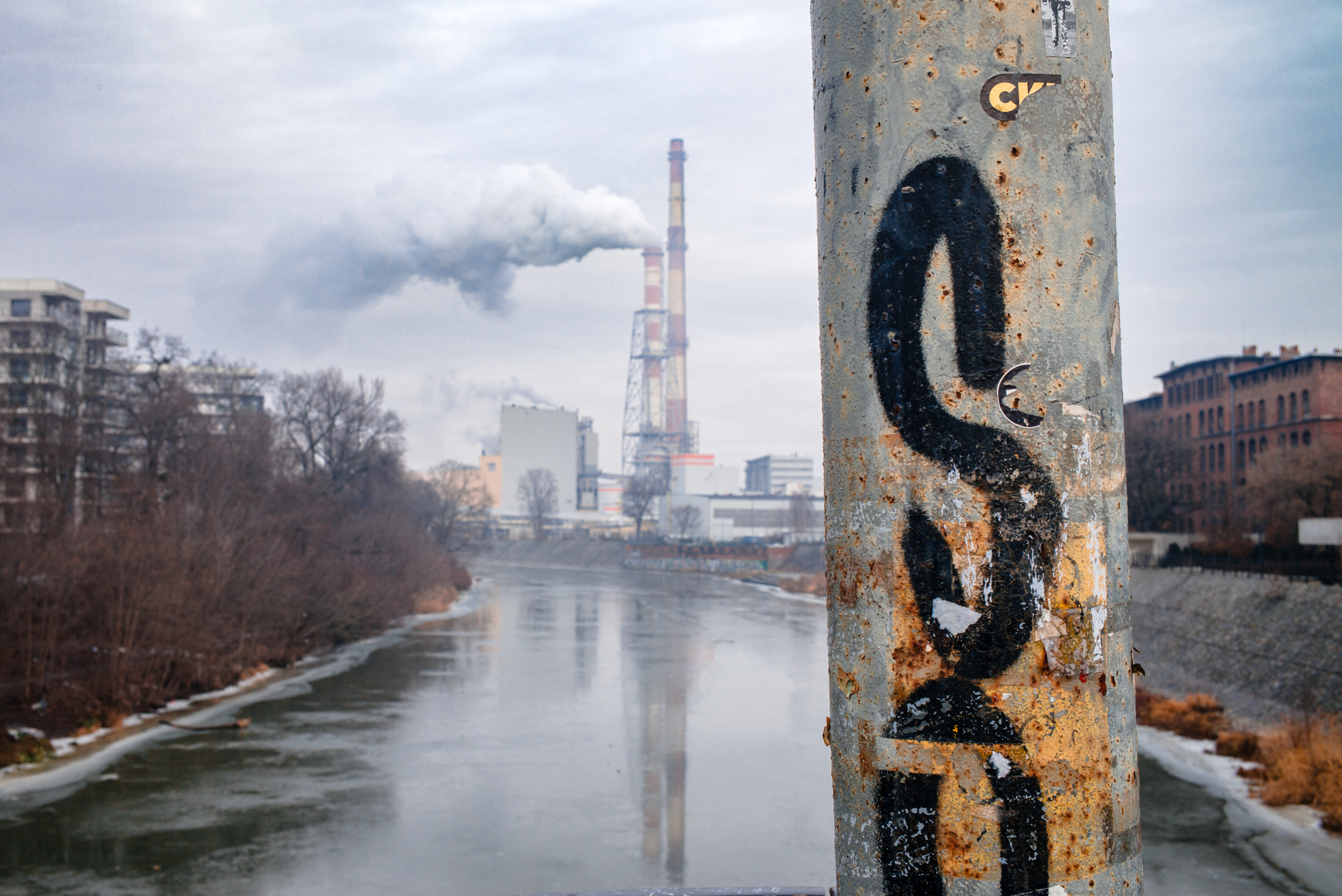
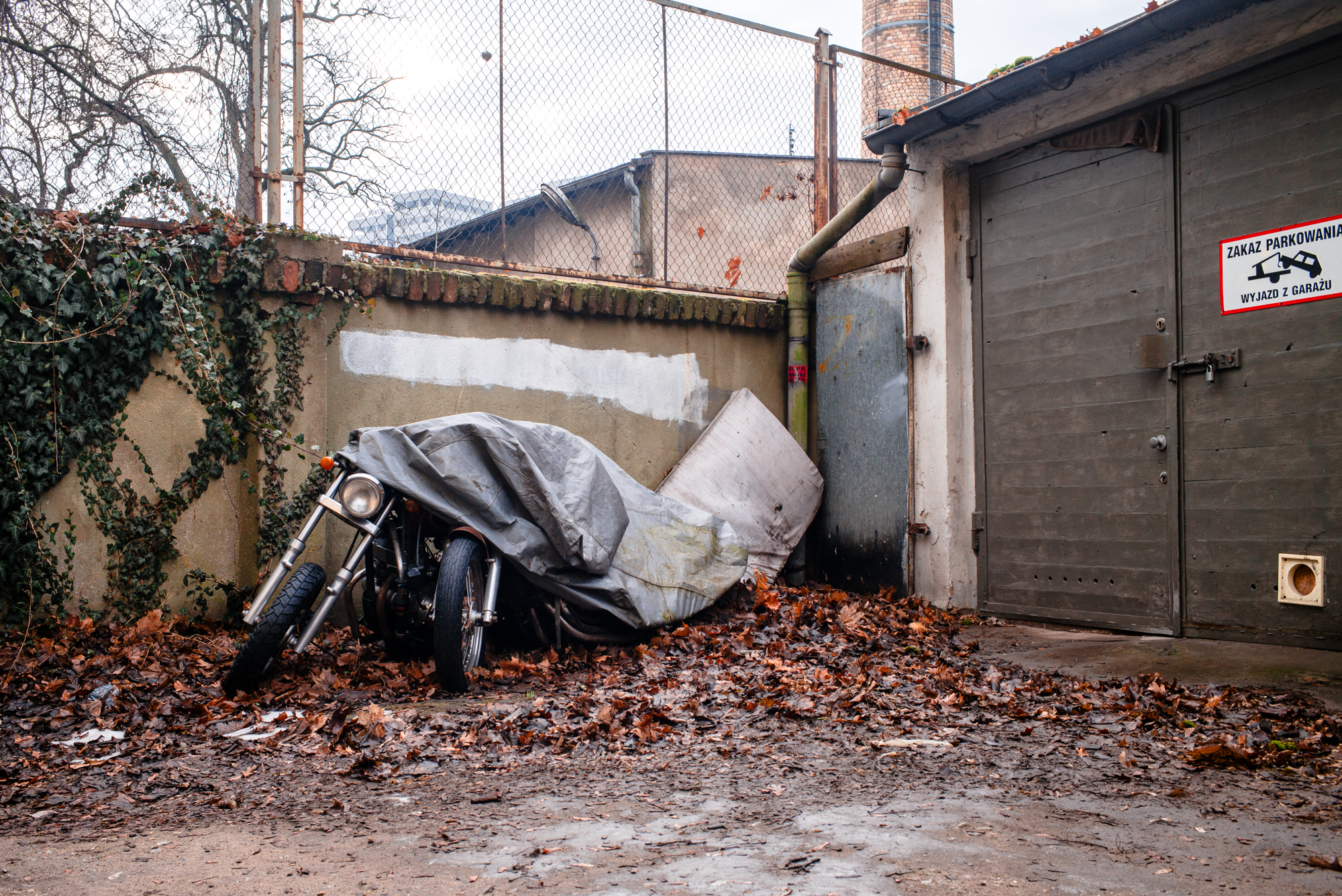
But — as with those other cities — you only have to wander a little beyond the rynek (market square), past the multinational-filled business parks and glossy shopping plazas, to find reminders of a far more turbulent story.
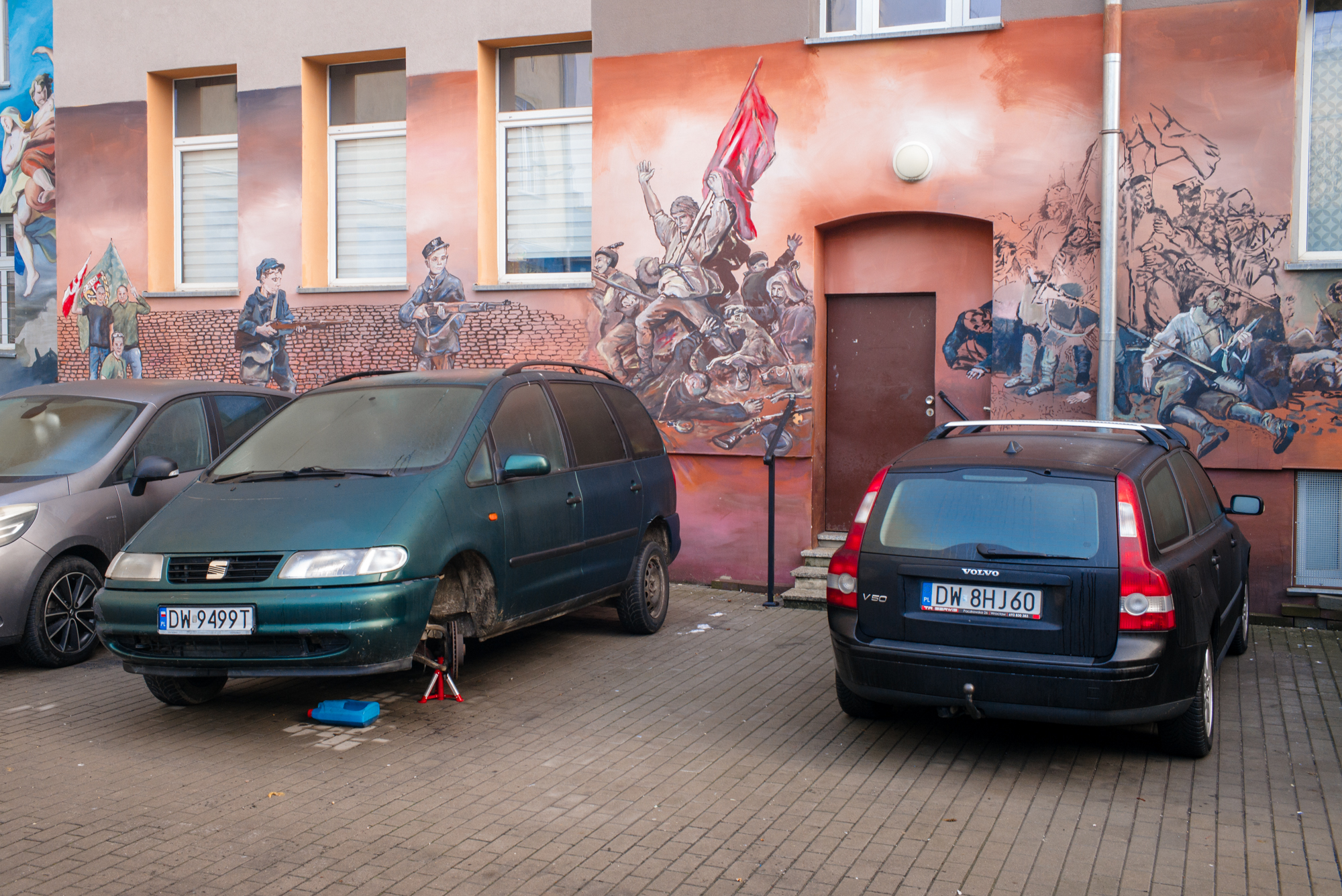
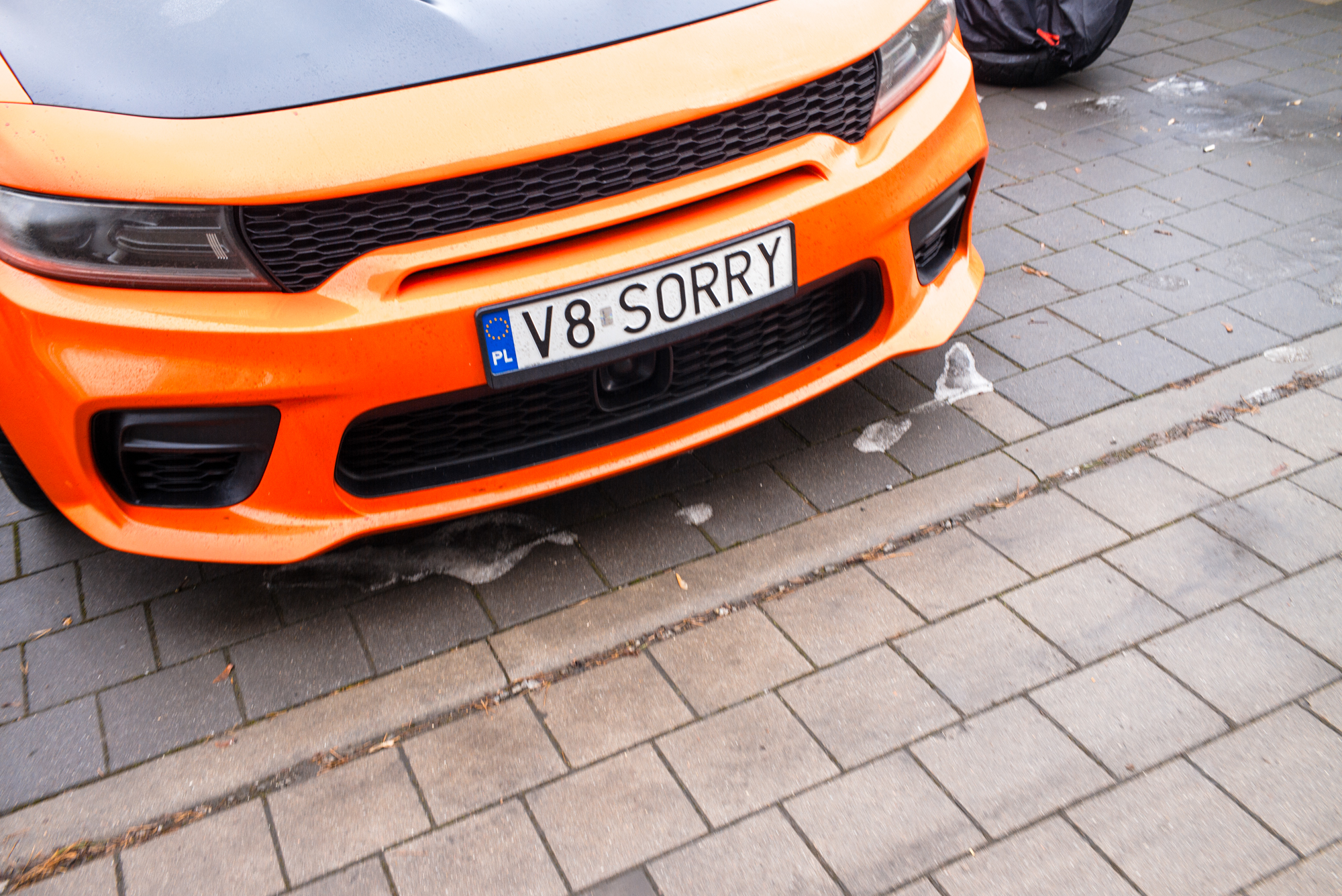
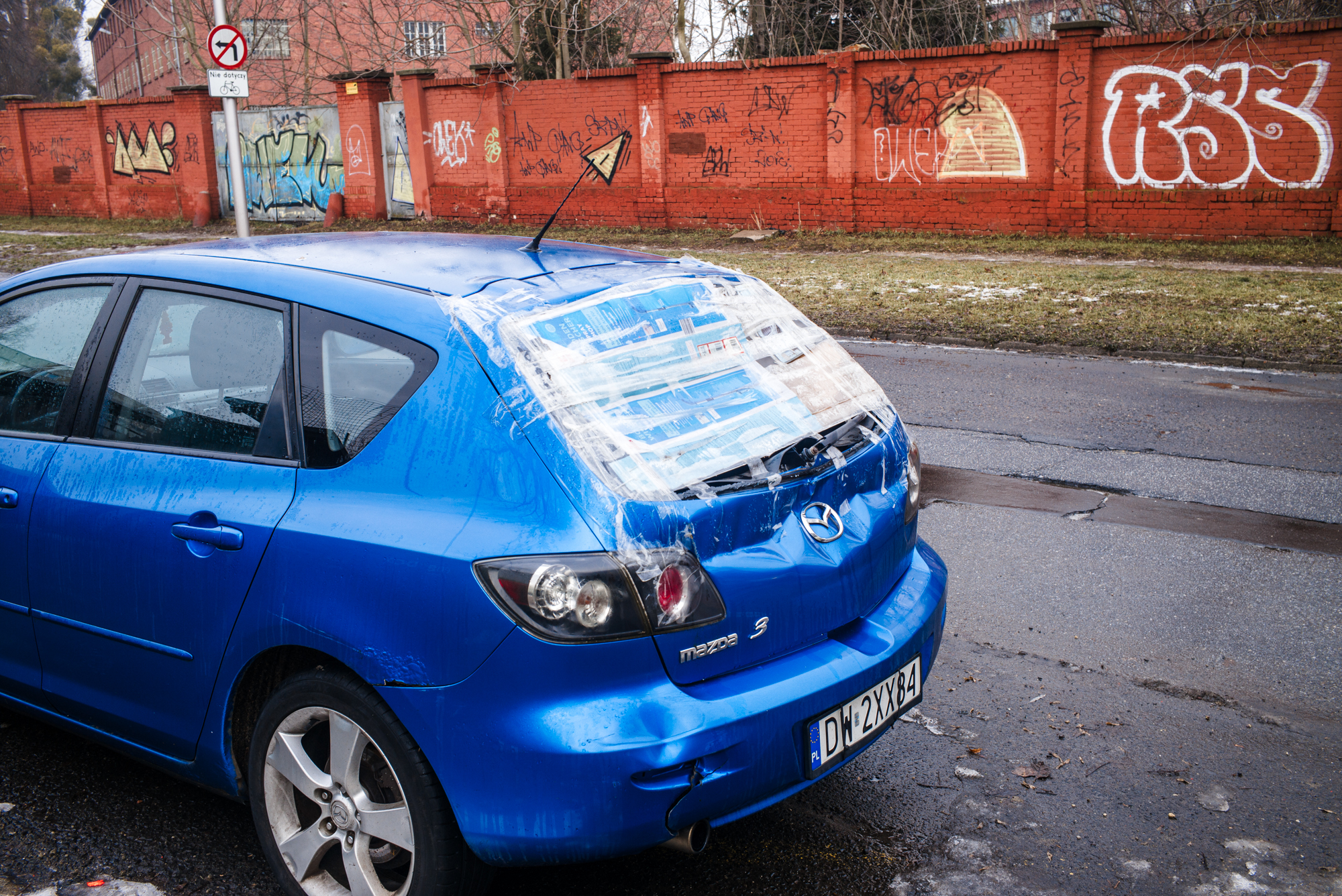
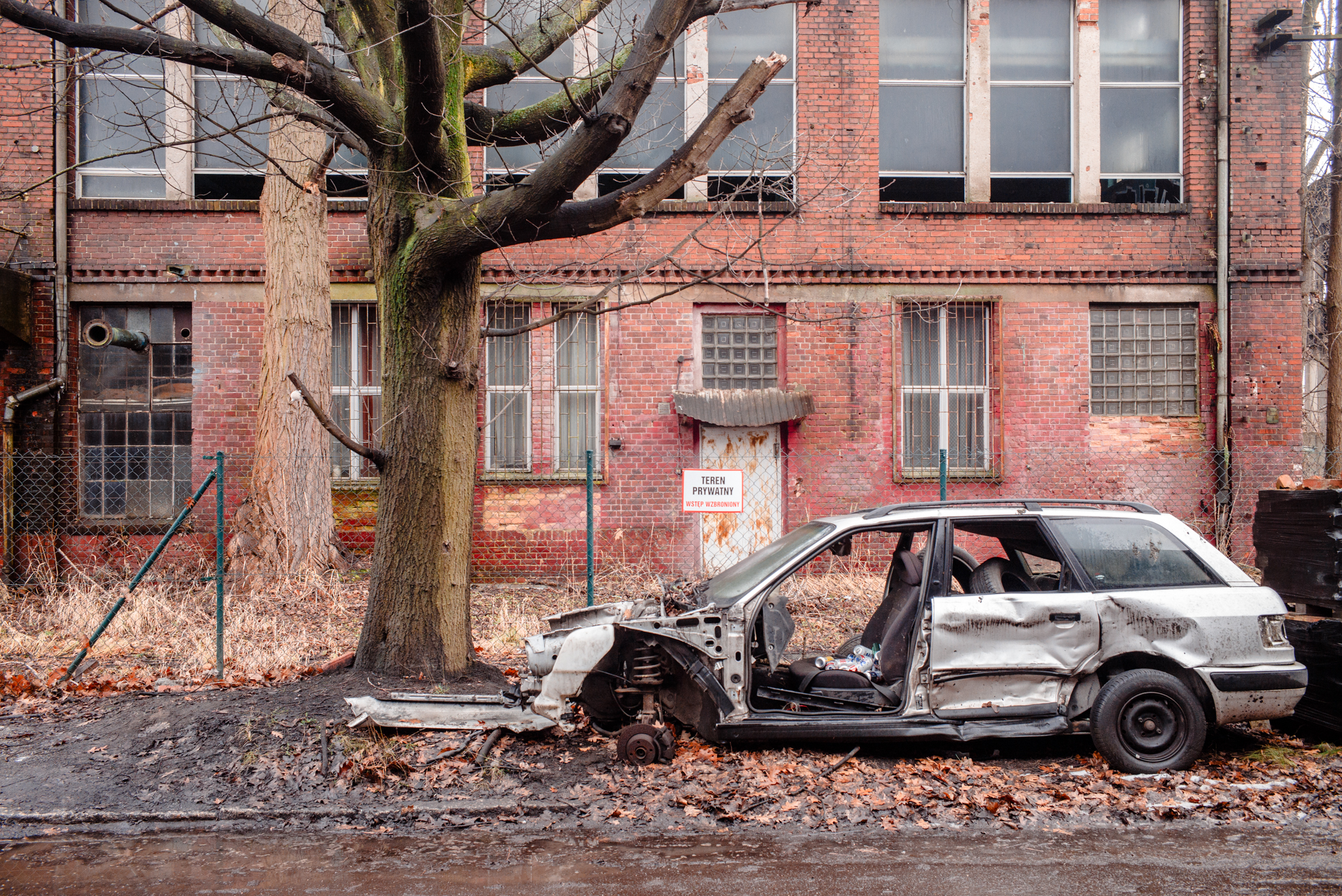
Before the war, Wrocław was Breslau, one of Germany’s major cities. Declared a Festung by Hitler, it was to be defended at all costs. The cost was a brutal three-month siege as Soviet forces closed in. The city finally fell four days after Berlin after relentless bombardment. In the chaos, a large slice of the centre was levelled to create an emergency airfield for evacuations. Today that ground is home to the Grunwaldzki estate — and photos of it remain the most popular post on this blog.
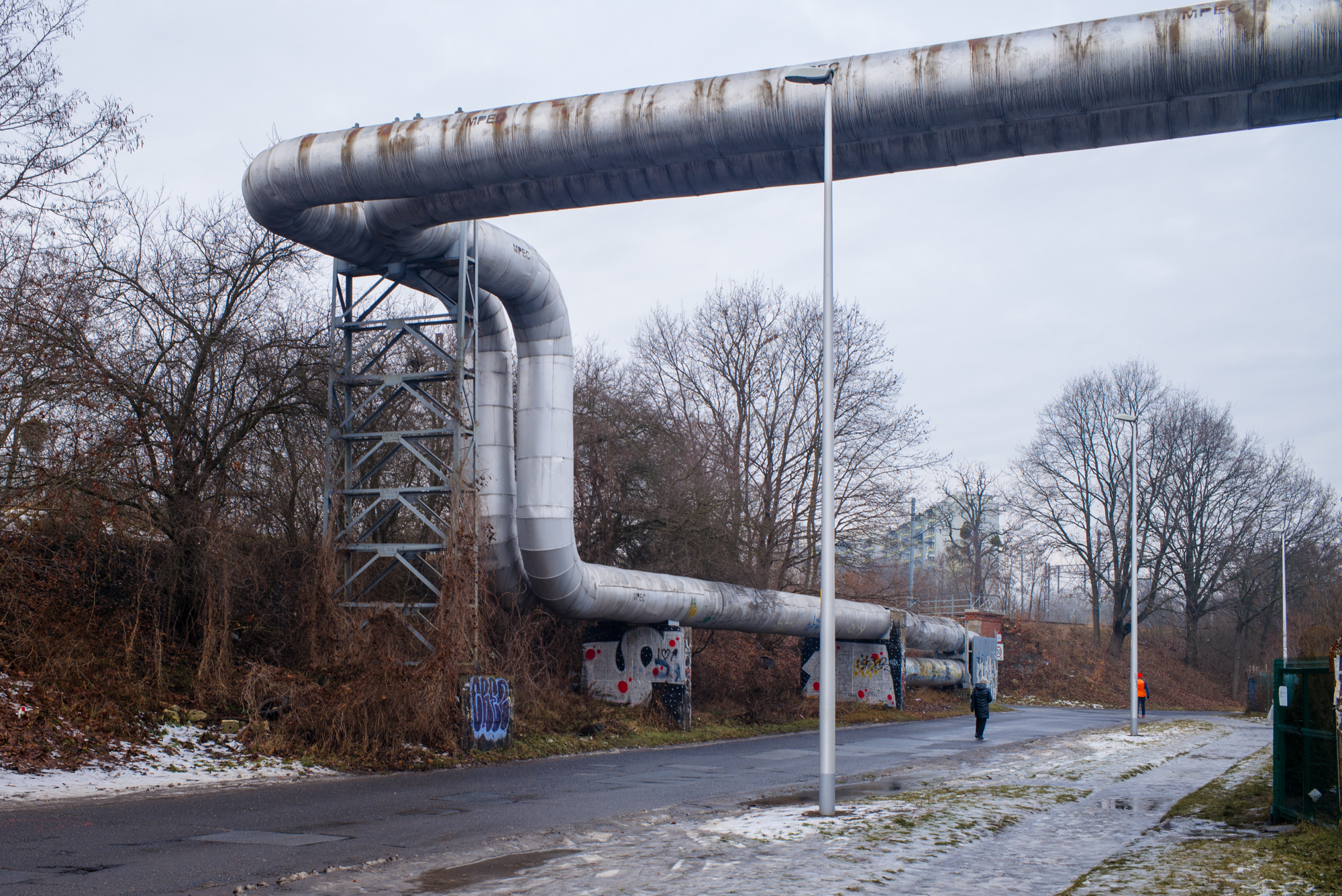
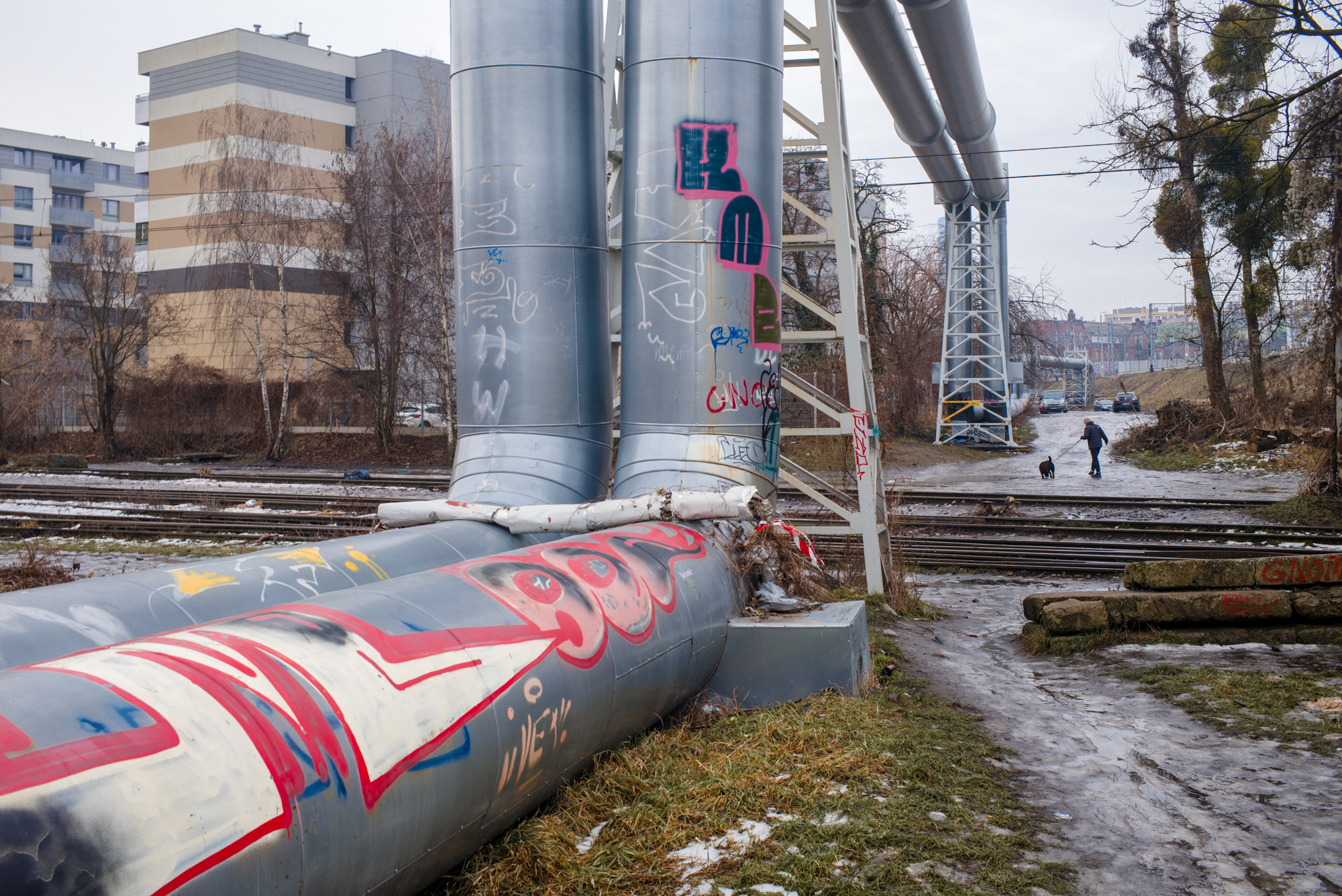
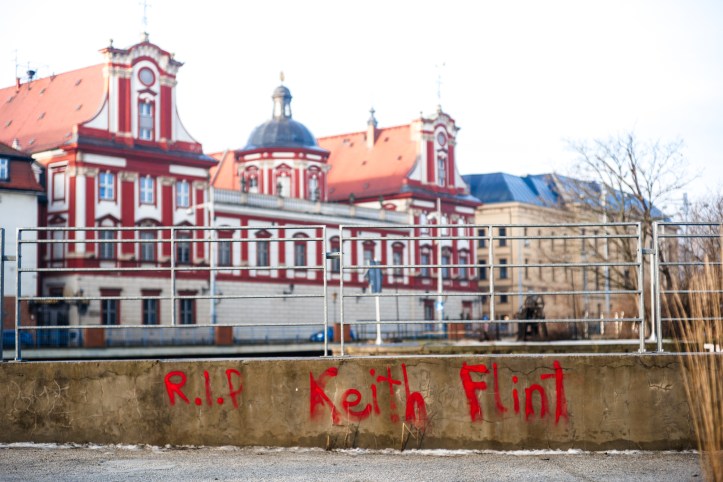
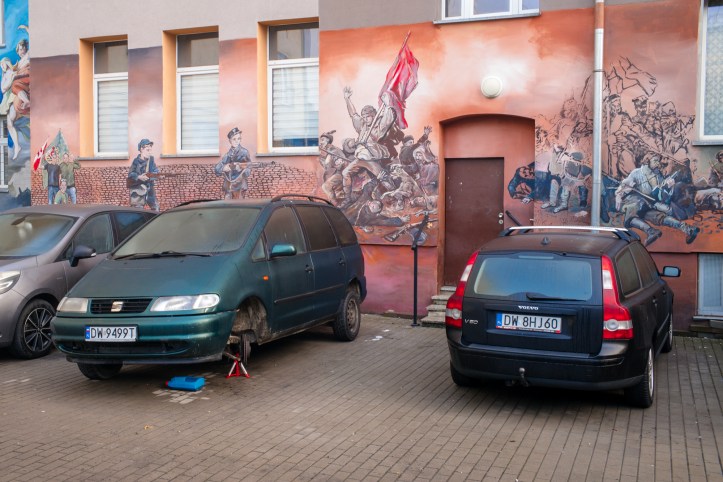
Then came rebuilding and “de-Germanisation” under Soviet control. The market square and Ostrów Tumski were carefully restored to their Baroque and Classicist forms, while elsewhere socialist planning and mass housing reshaped the city. The intention was clear: a Polish city, recast for a new chapter.
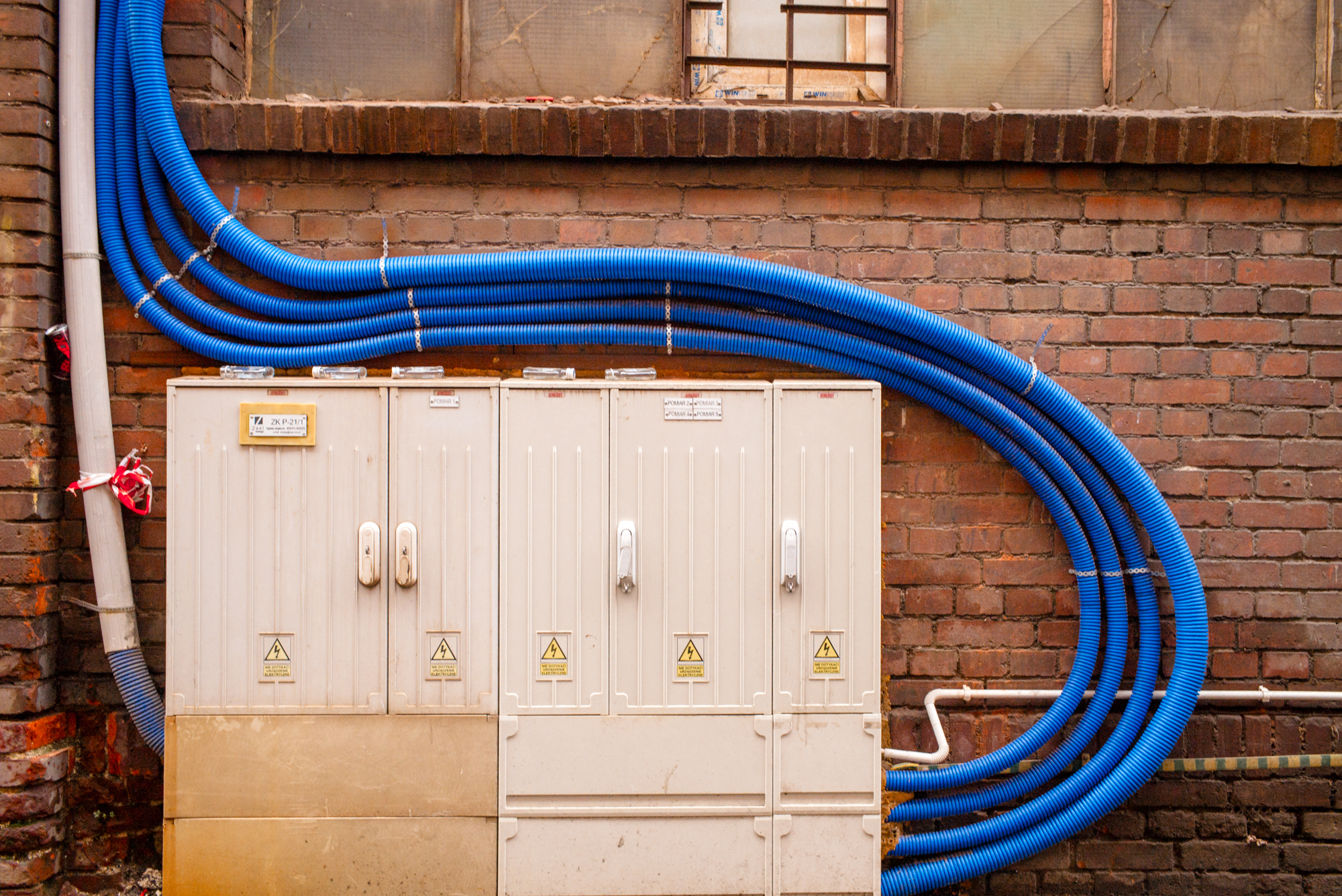
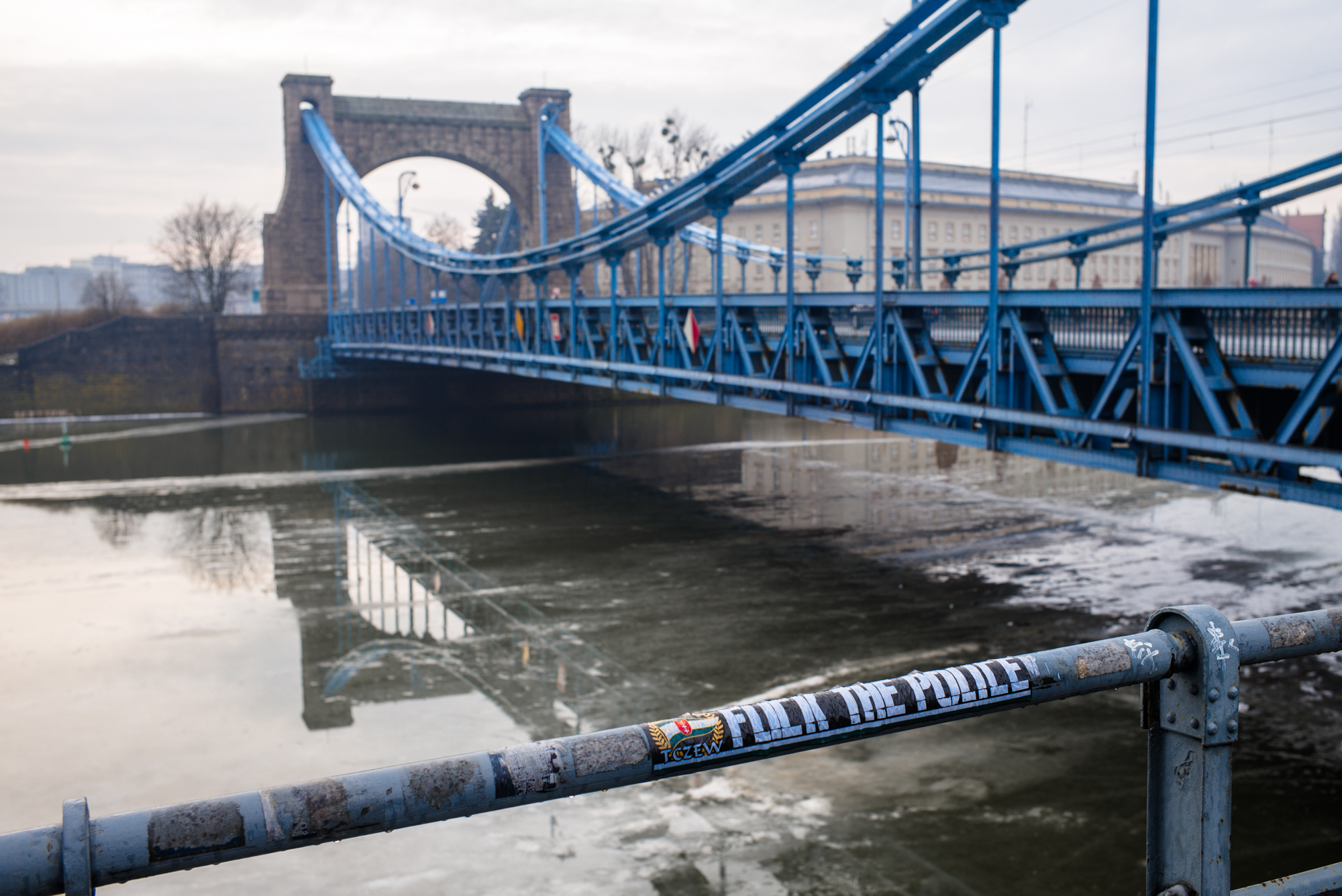
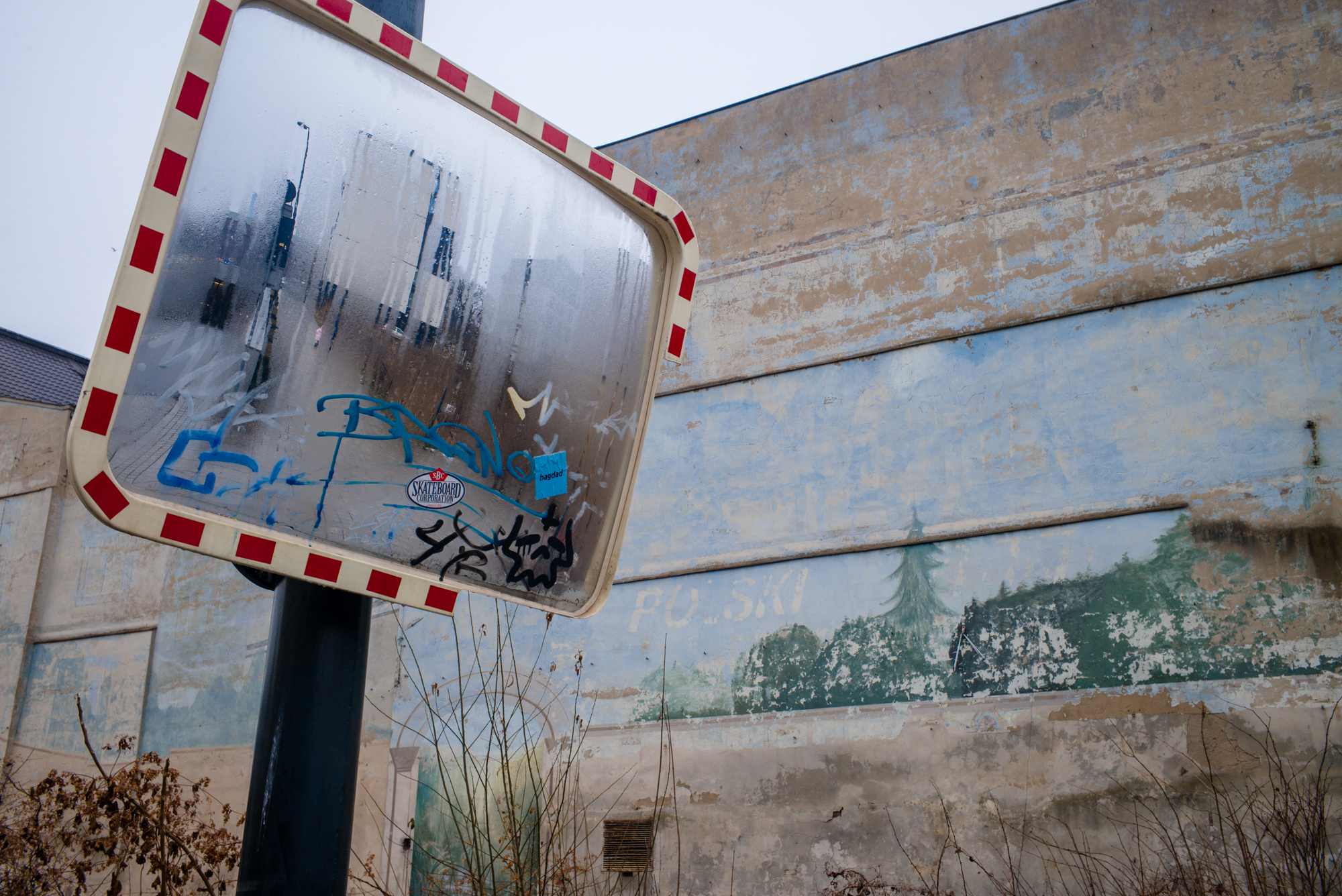
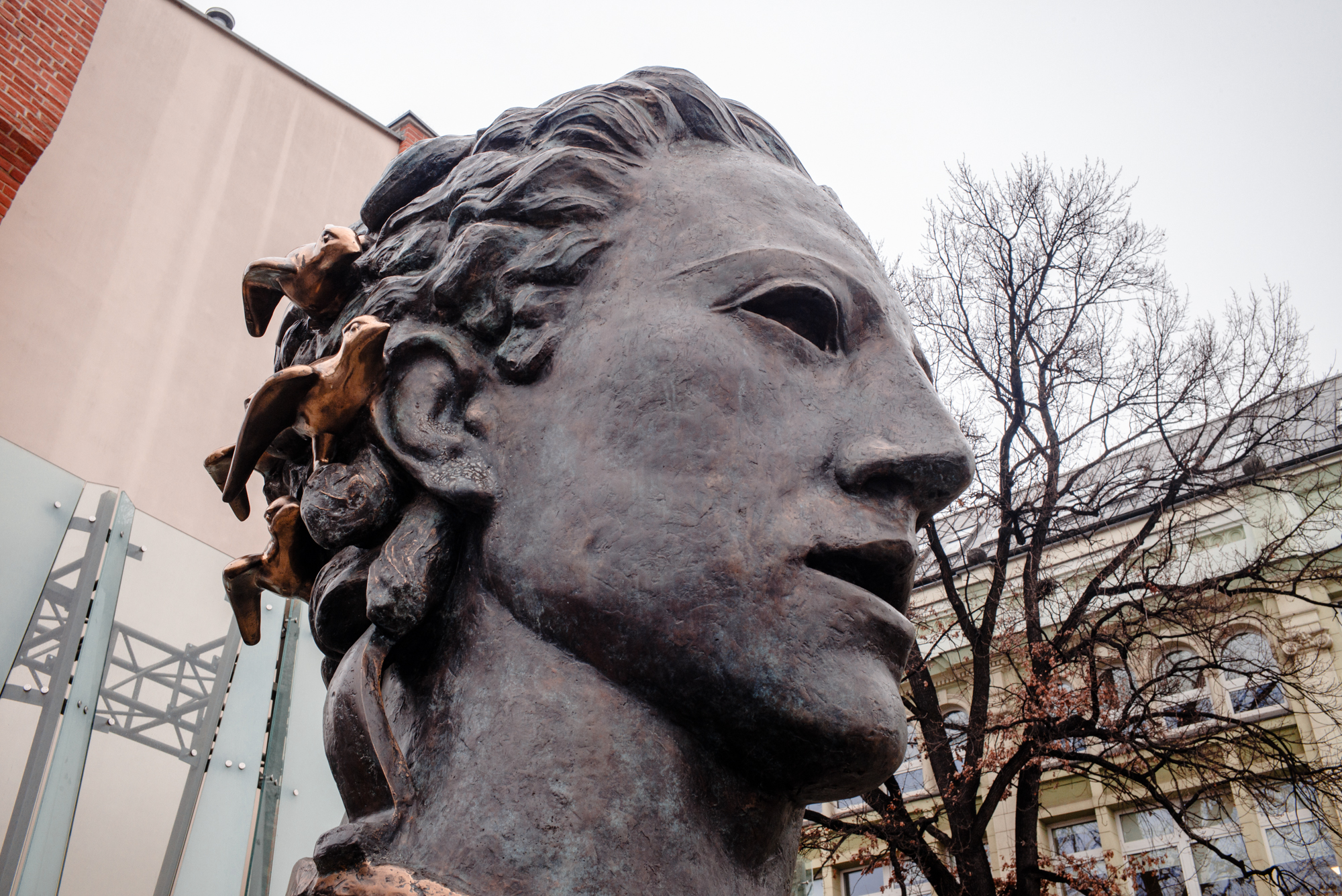
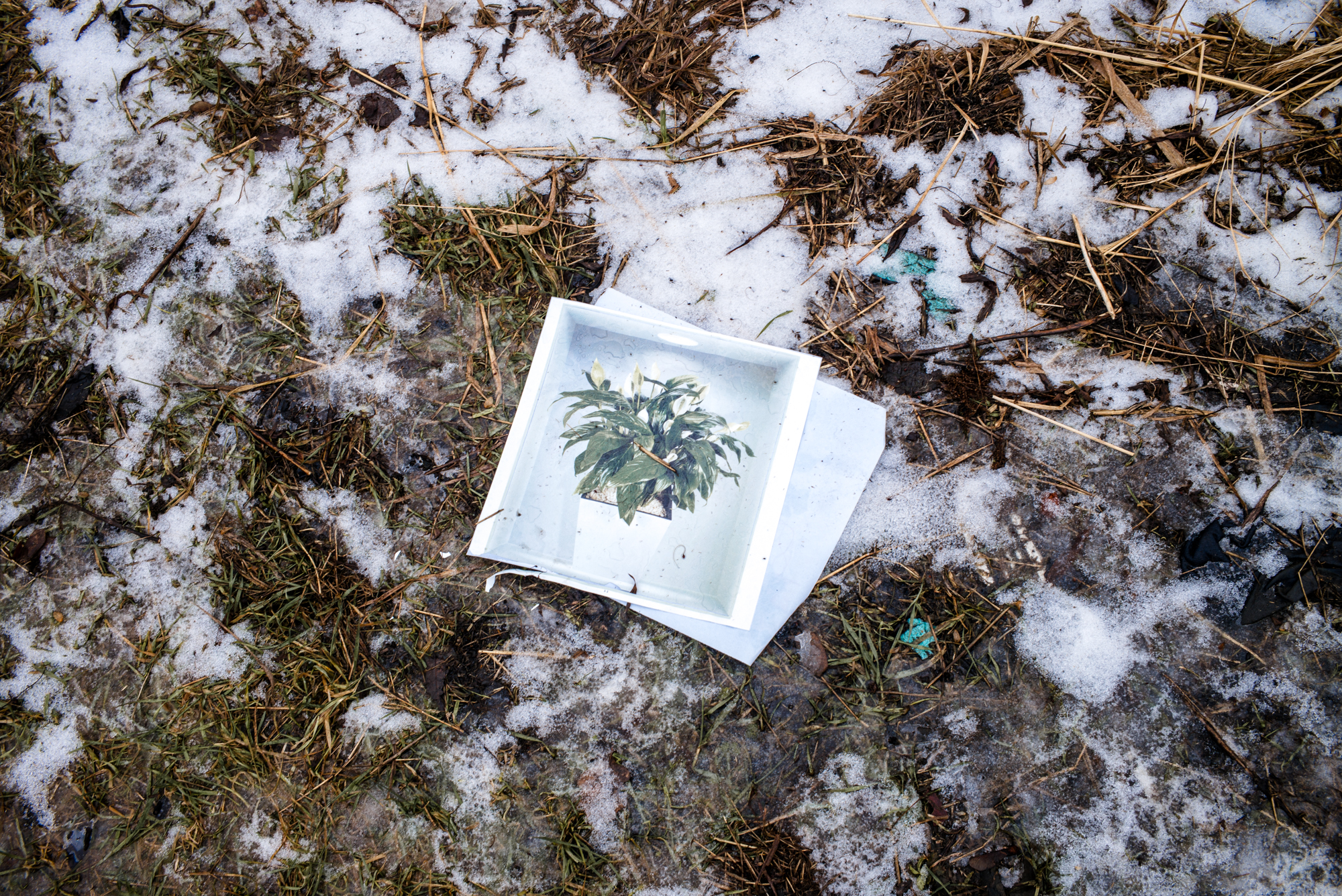
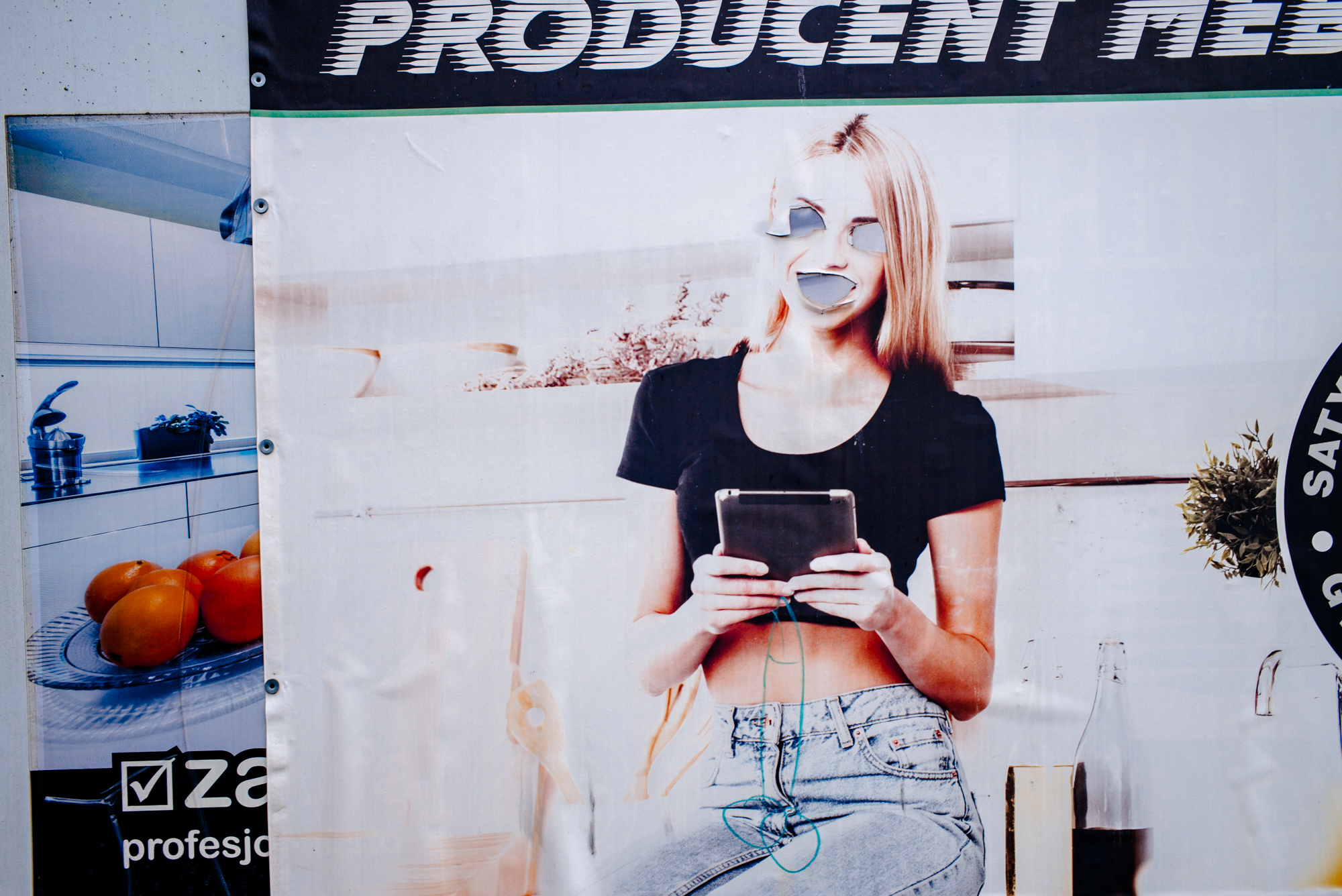
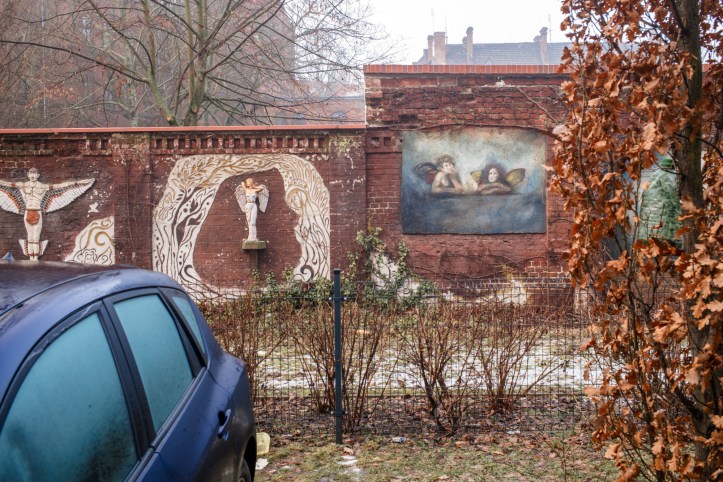
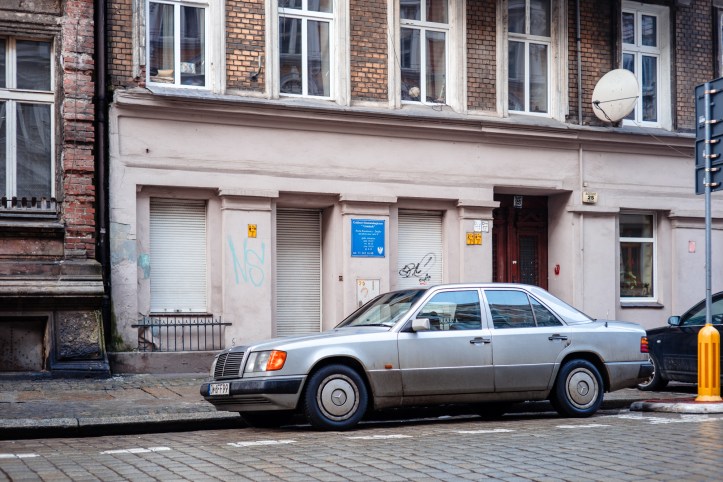
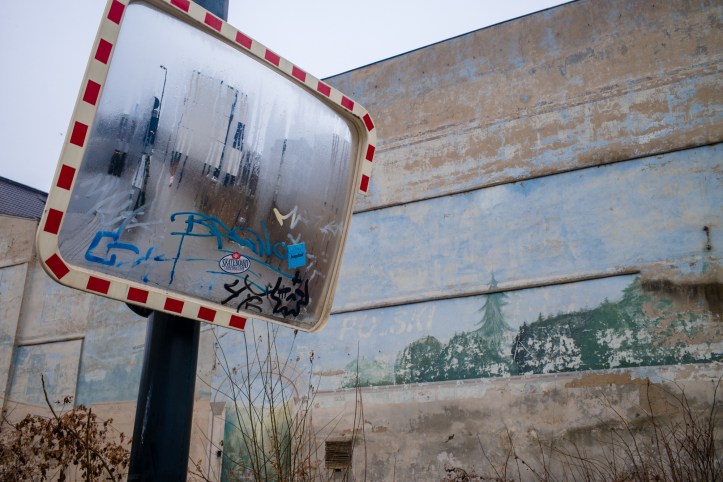
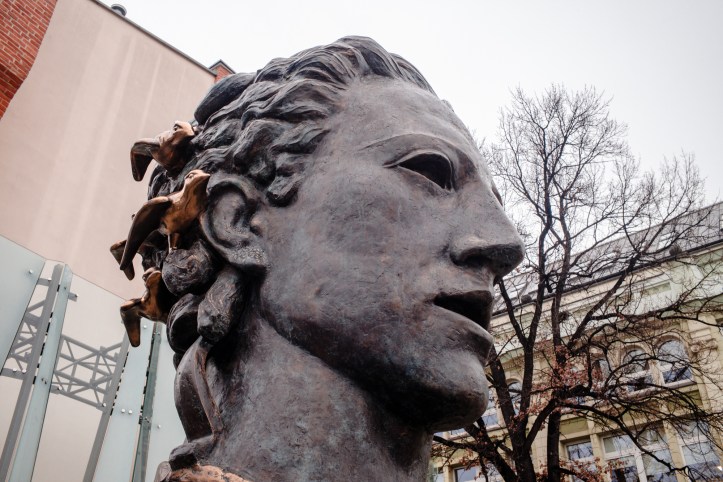
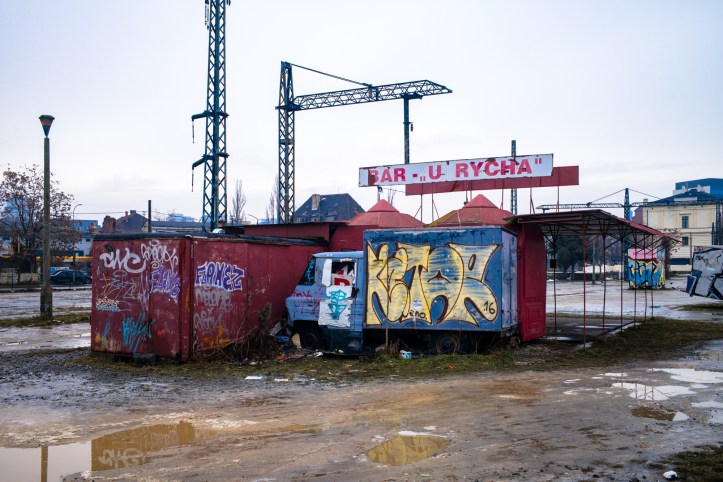
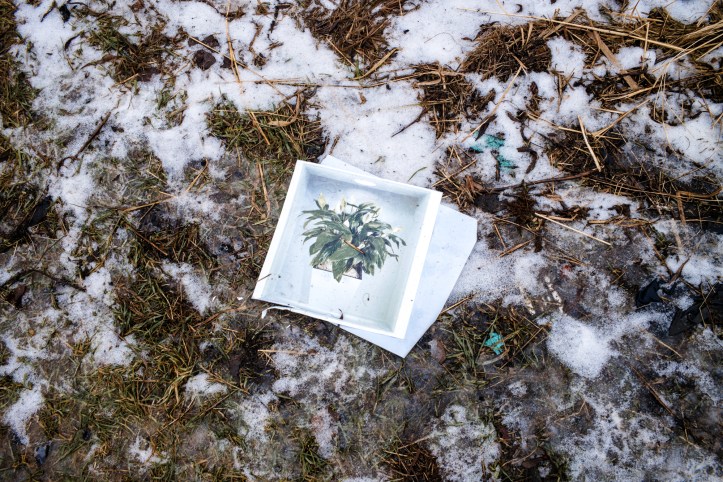
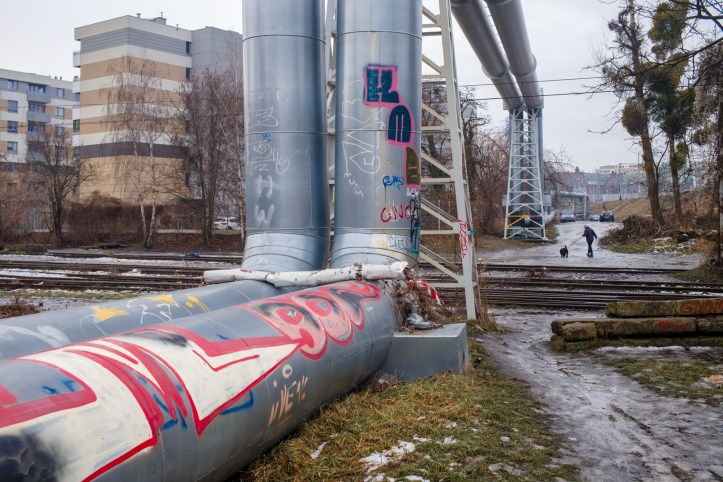
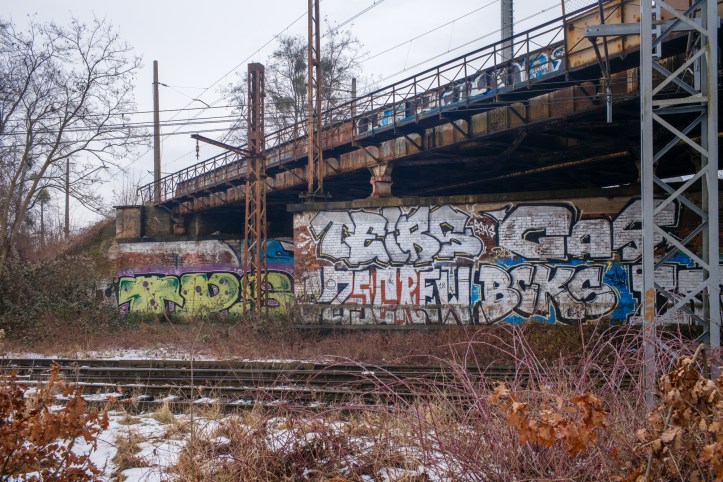
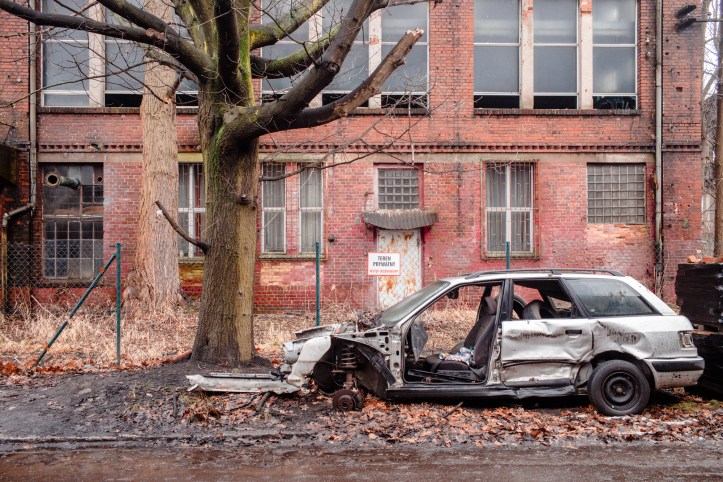
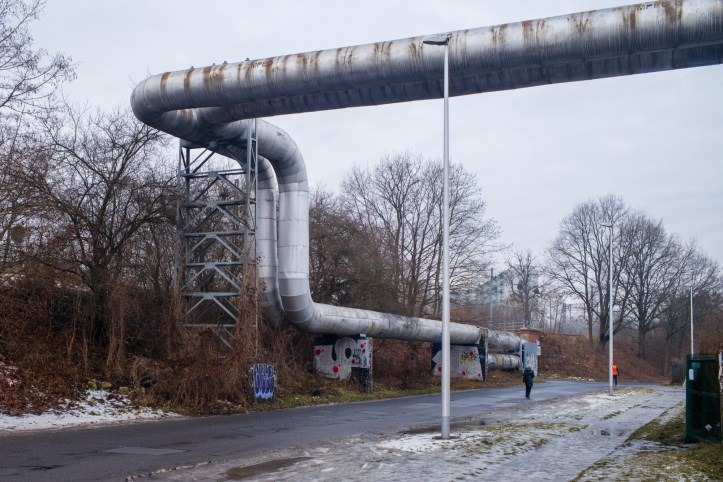
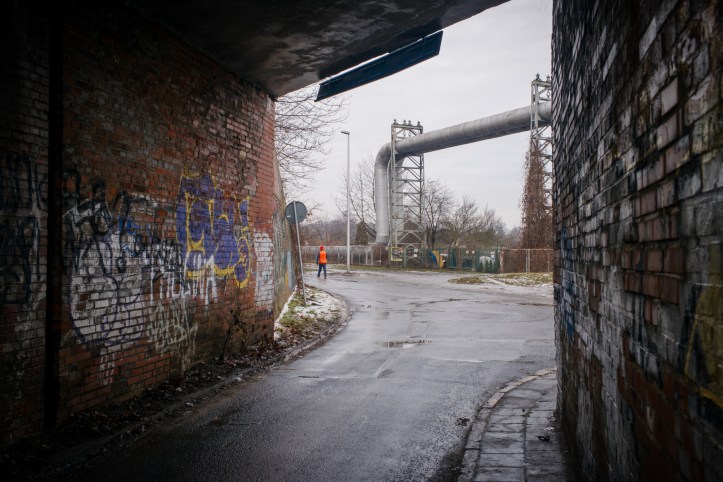
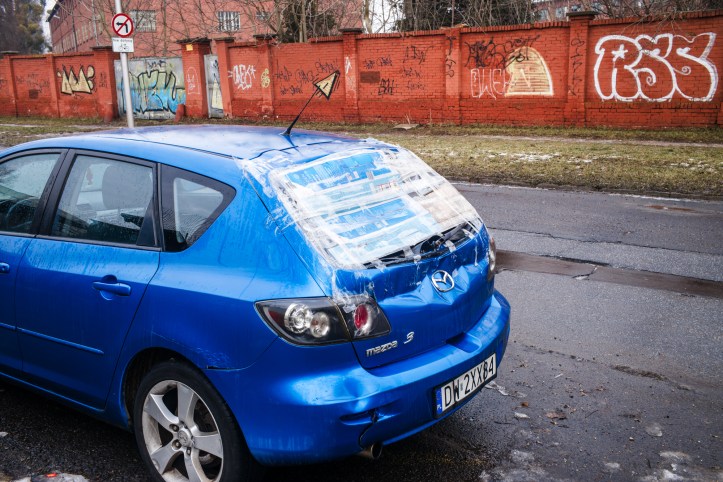
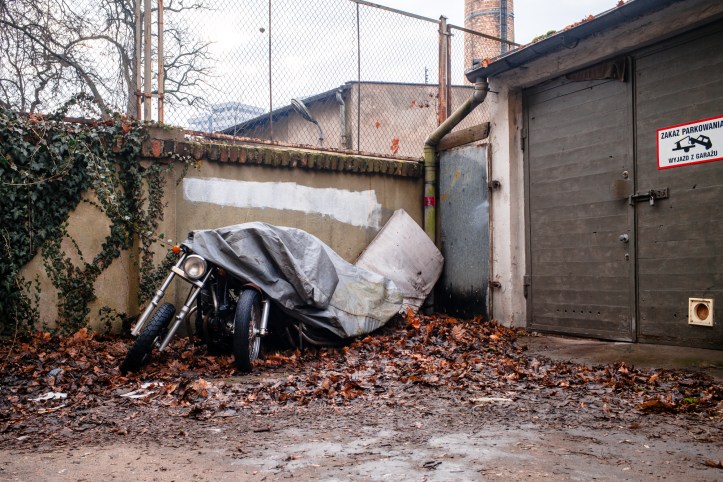
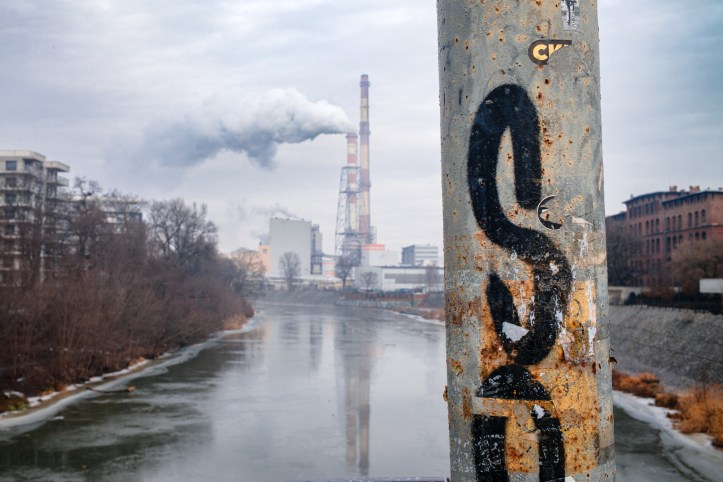
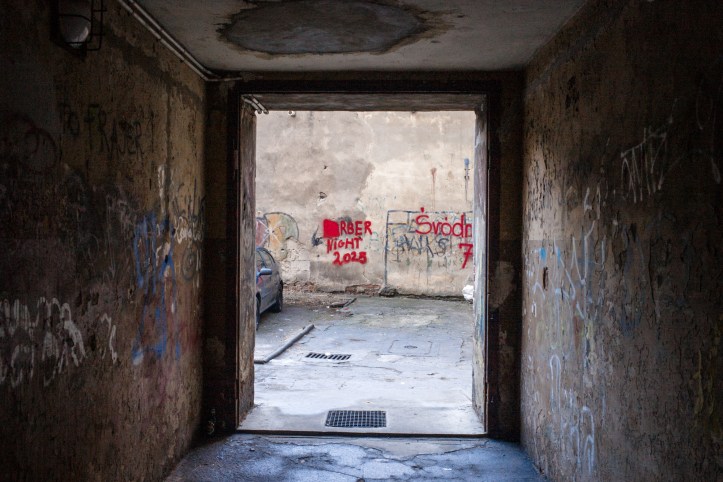
Add floods, smallpox and martial law and it’s clear Wrocław has earned its scars. Those scars — the patina, the layers, the quiet traces of what came before — are what I’m interested in. They’re what make a place feel real, and what make me want to photograph it.
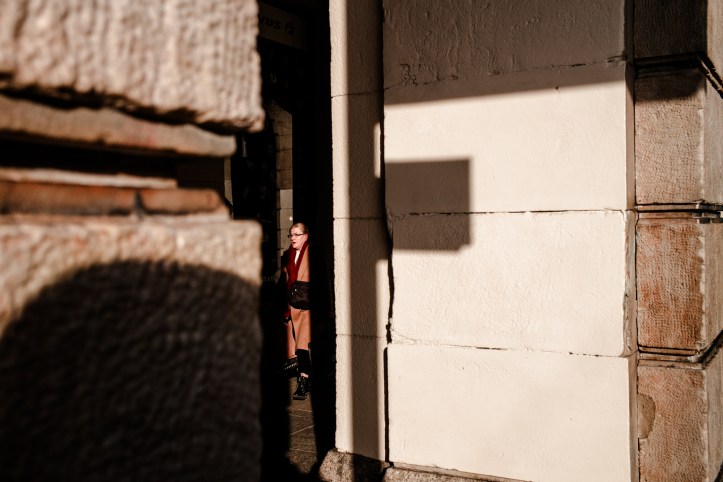
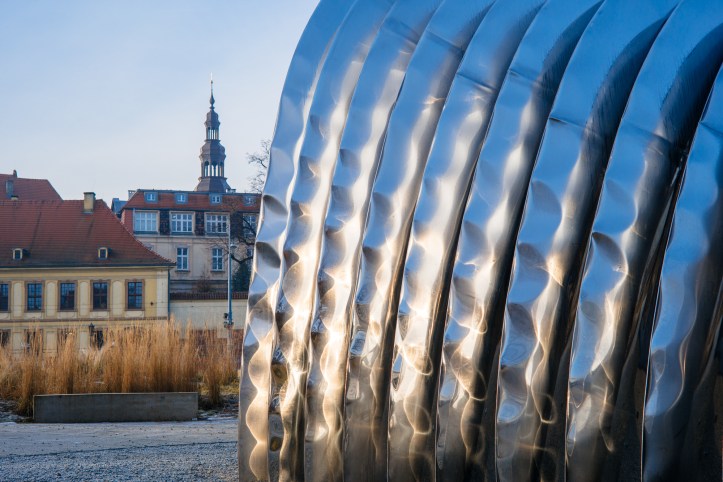
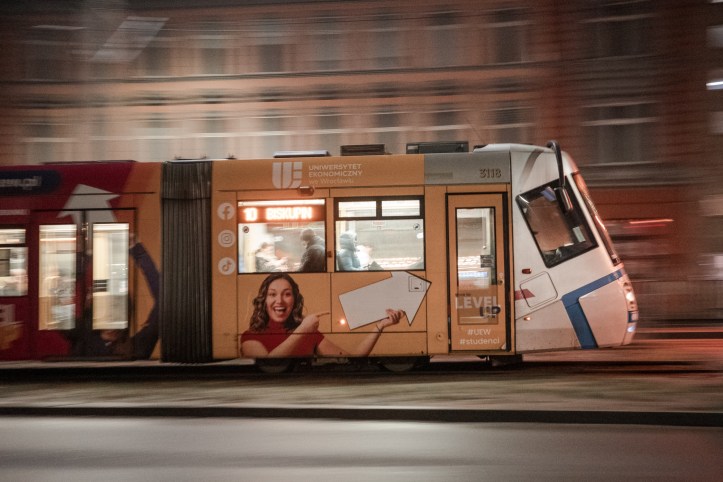
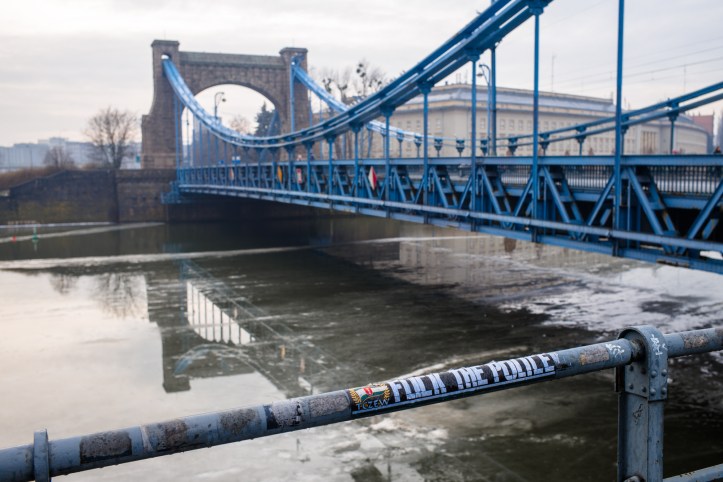
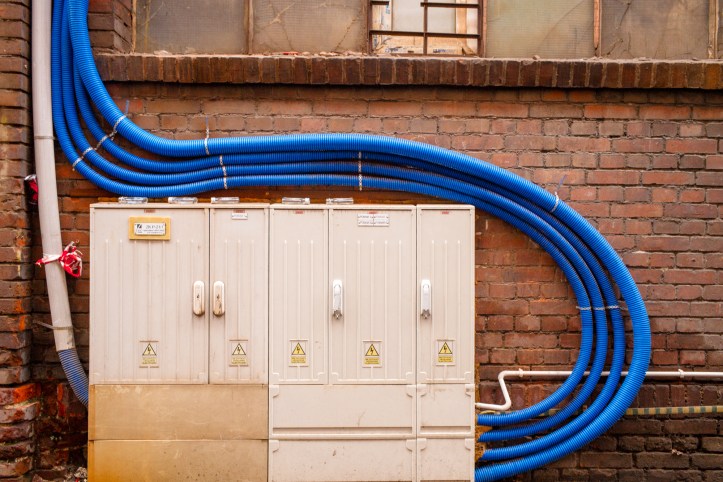
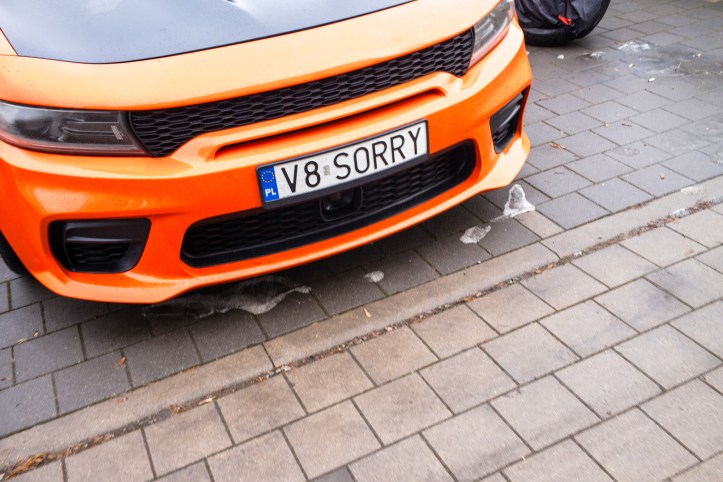
As part of the reset I mentioned a couple of weeks ago, I’ve been making a conscious effort to get back out with the camera. The photos here came from a walk whose only real purpose was to take pictures. The truth is, I’m rusty. The images are decent and they hint at the character I’ve described, but they’re more mood than message — scene-setting rather than storytelling. No real meat on the bone.
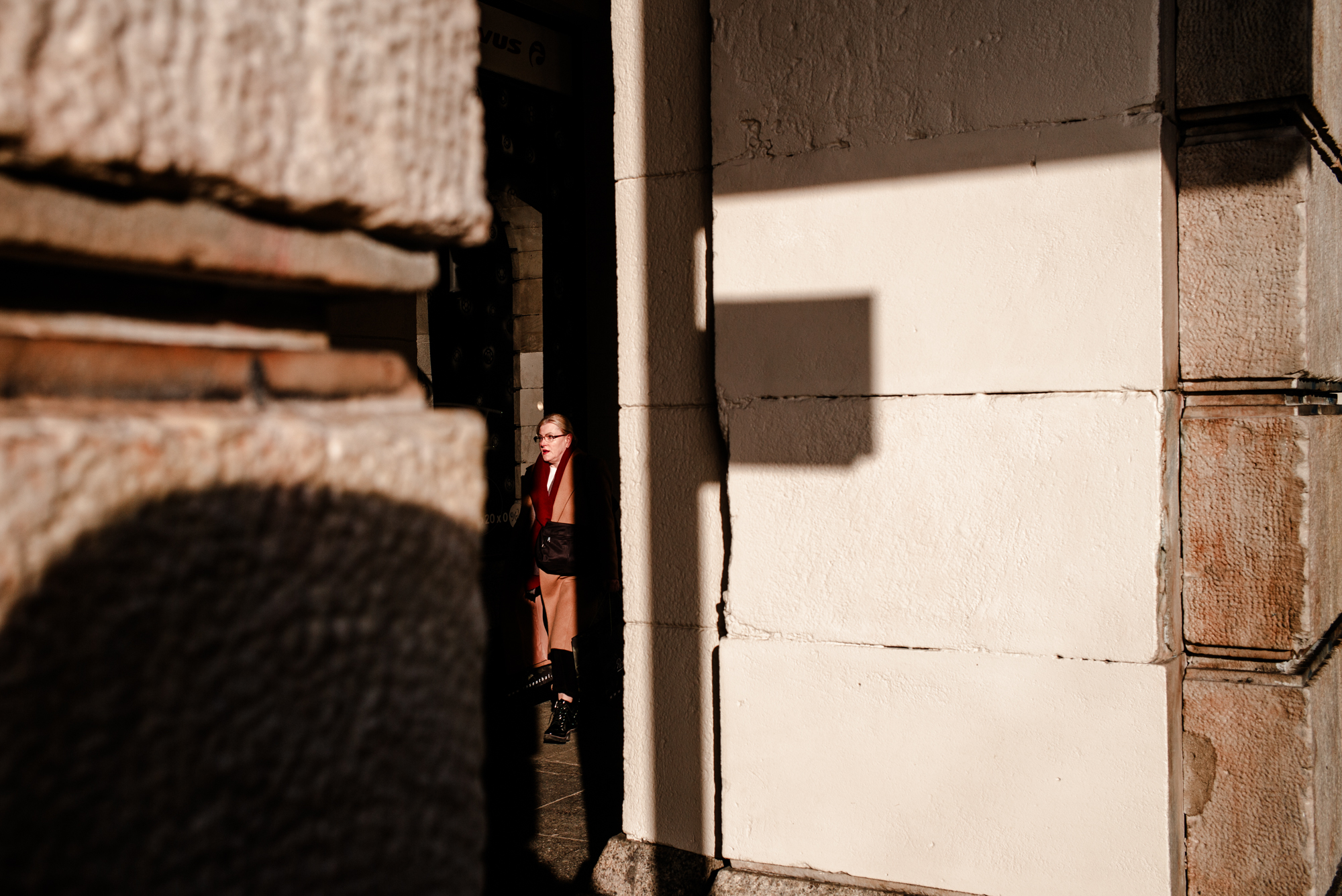
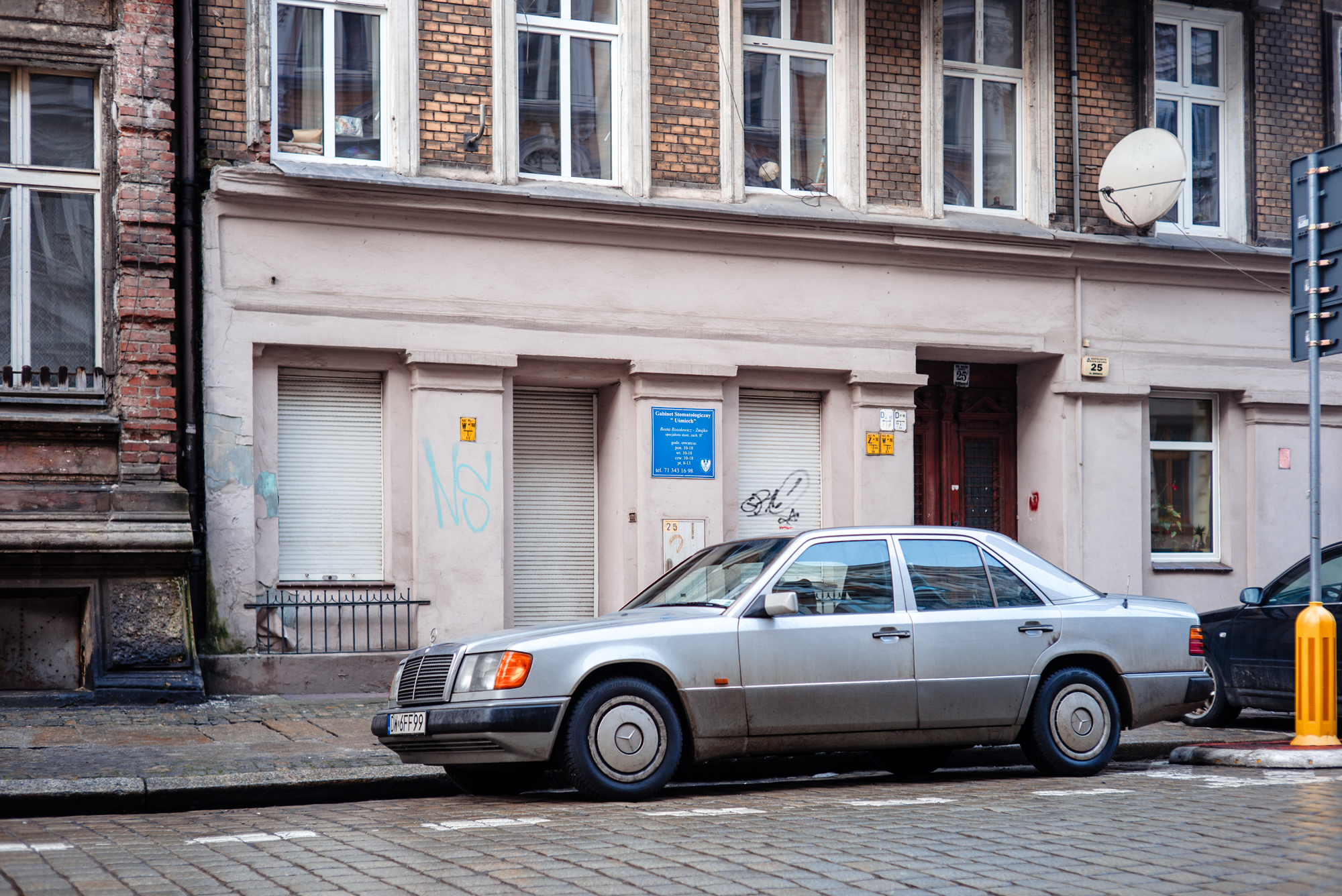
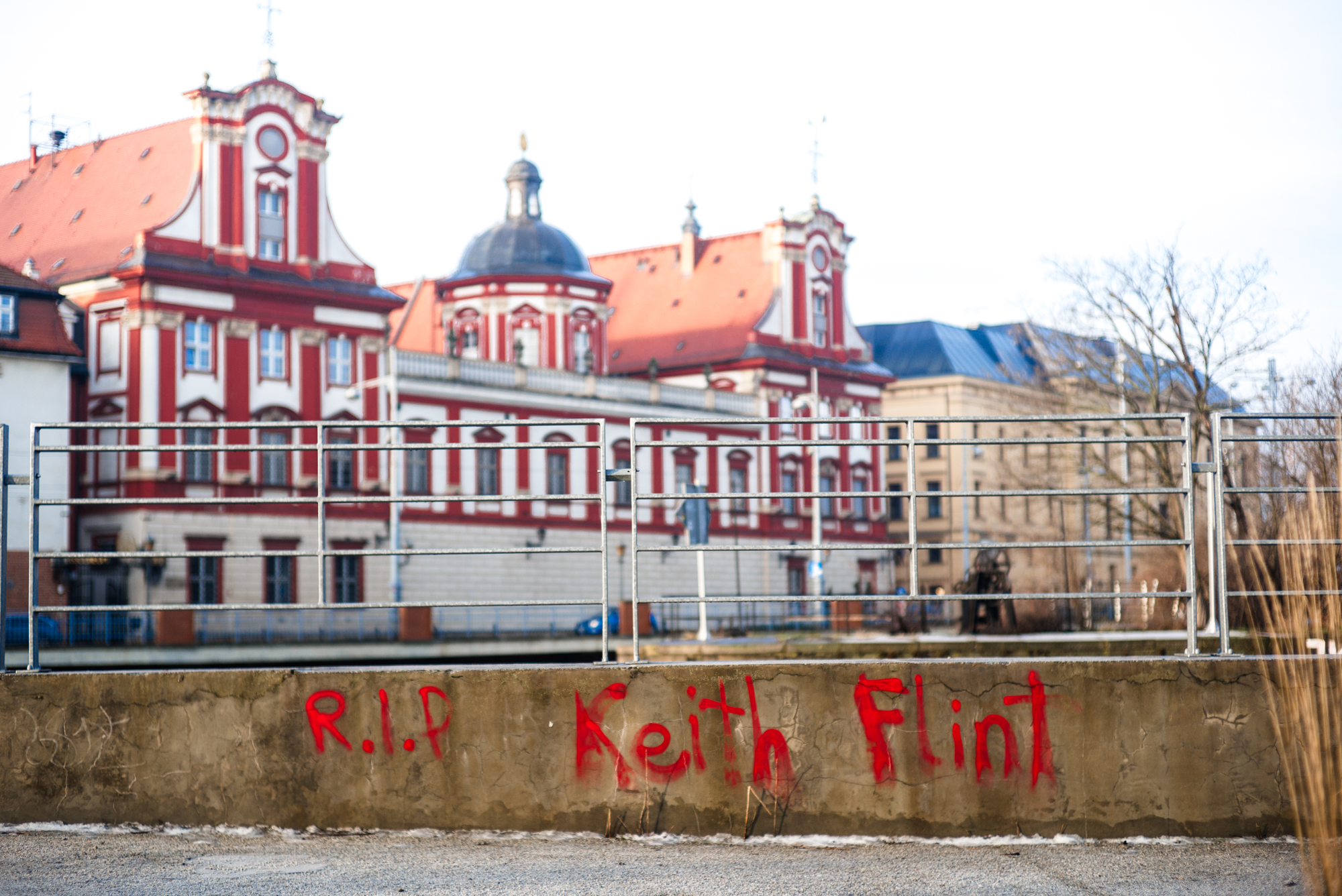
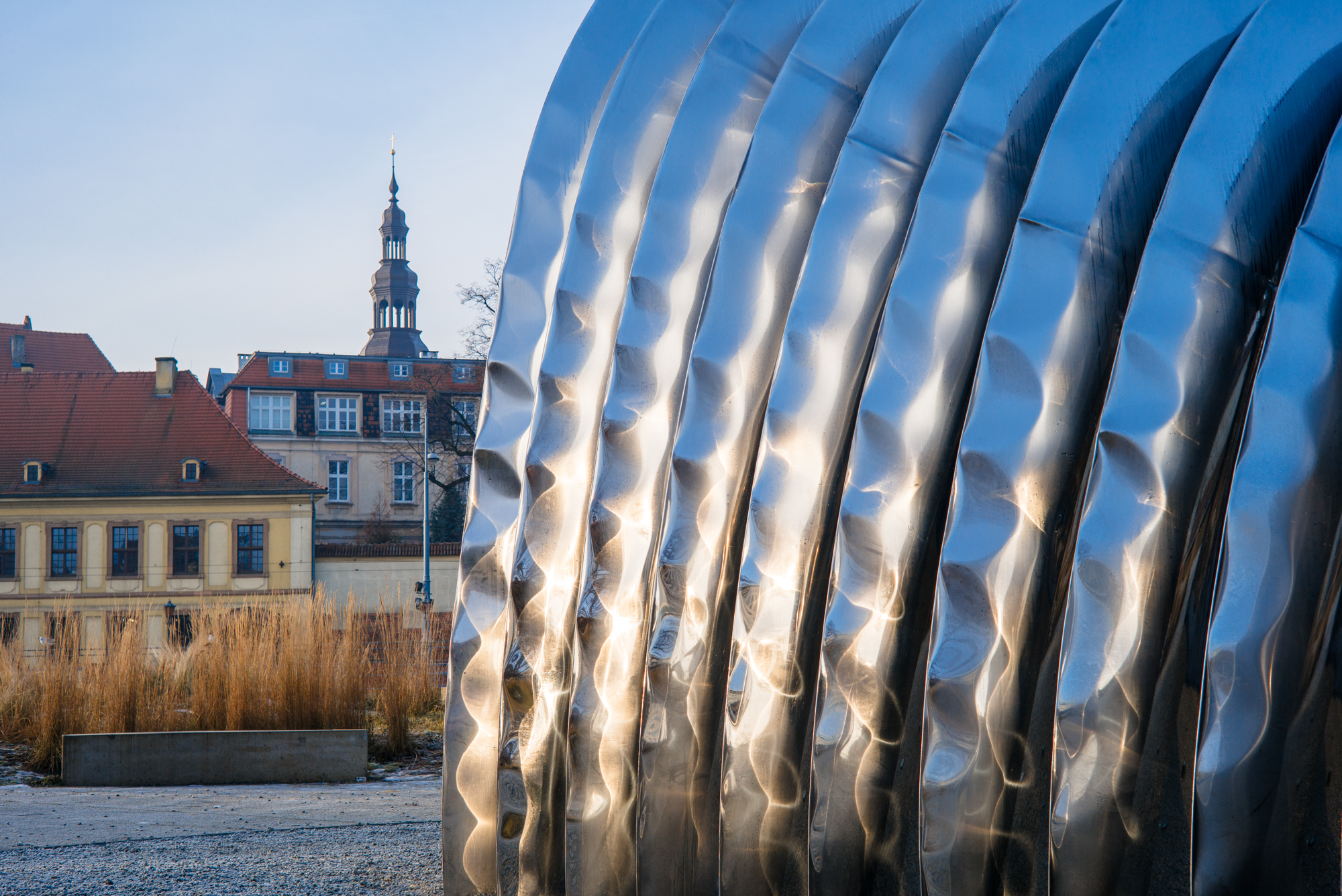
Still, I spent a day with my camera and a single 35mm lens, walked 27 km (including a modest pub crawl later on), and enjoyed it. It felt like old times, when photography and long walks cleared the mental clutter and narrowed the world to what was in front of me. Look, notice, frame, repeat. Be ‘present as the kids say.
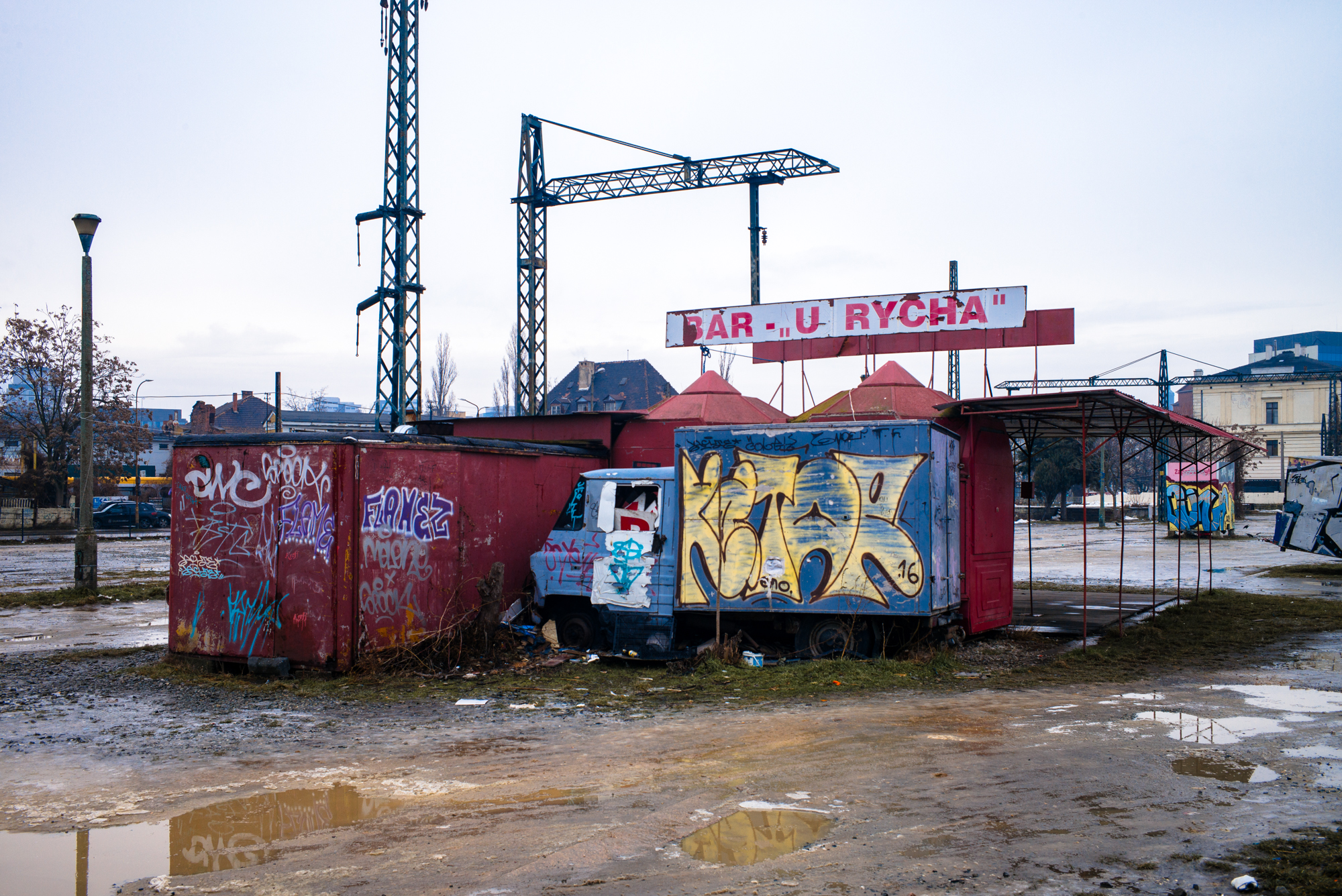
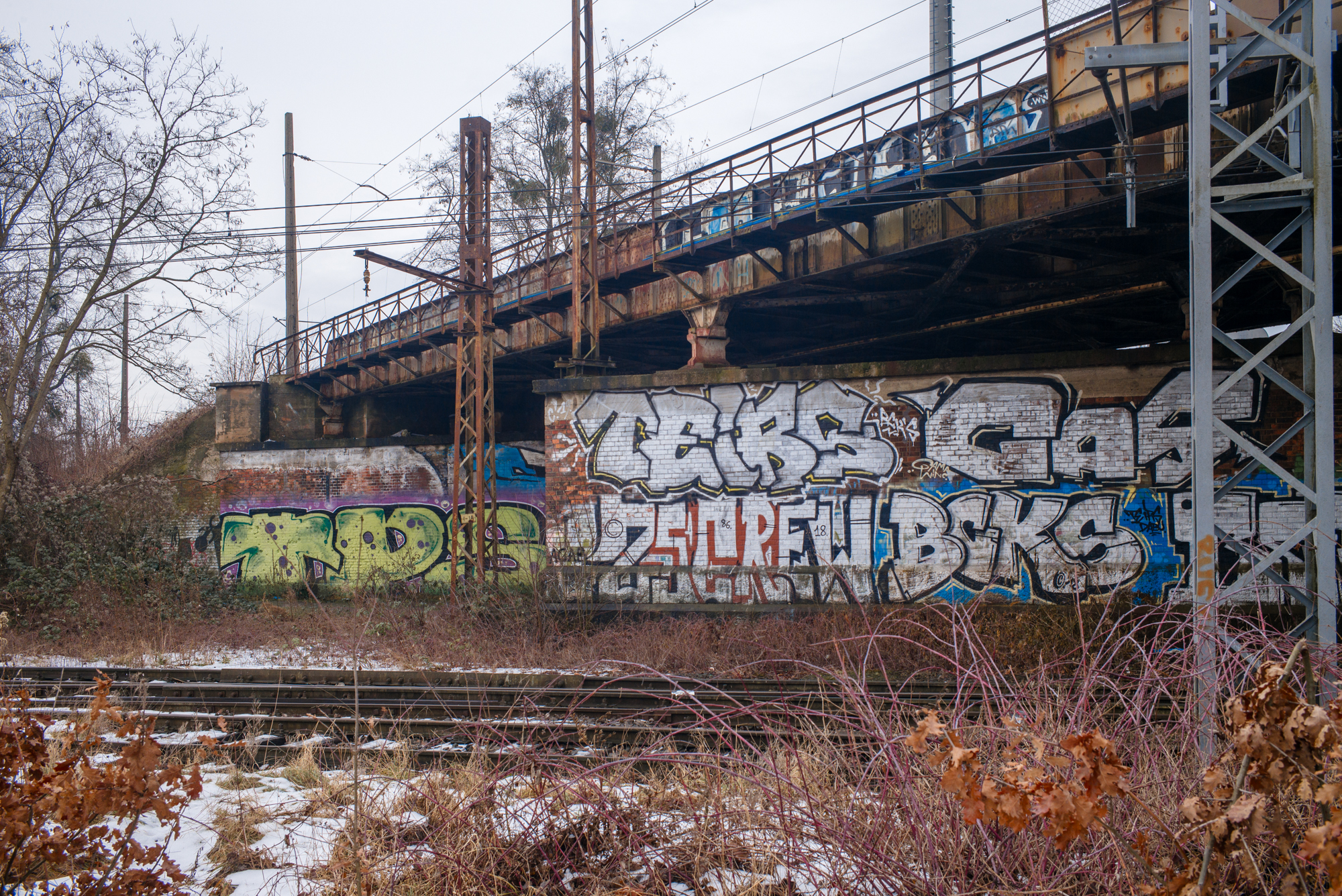
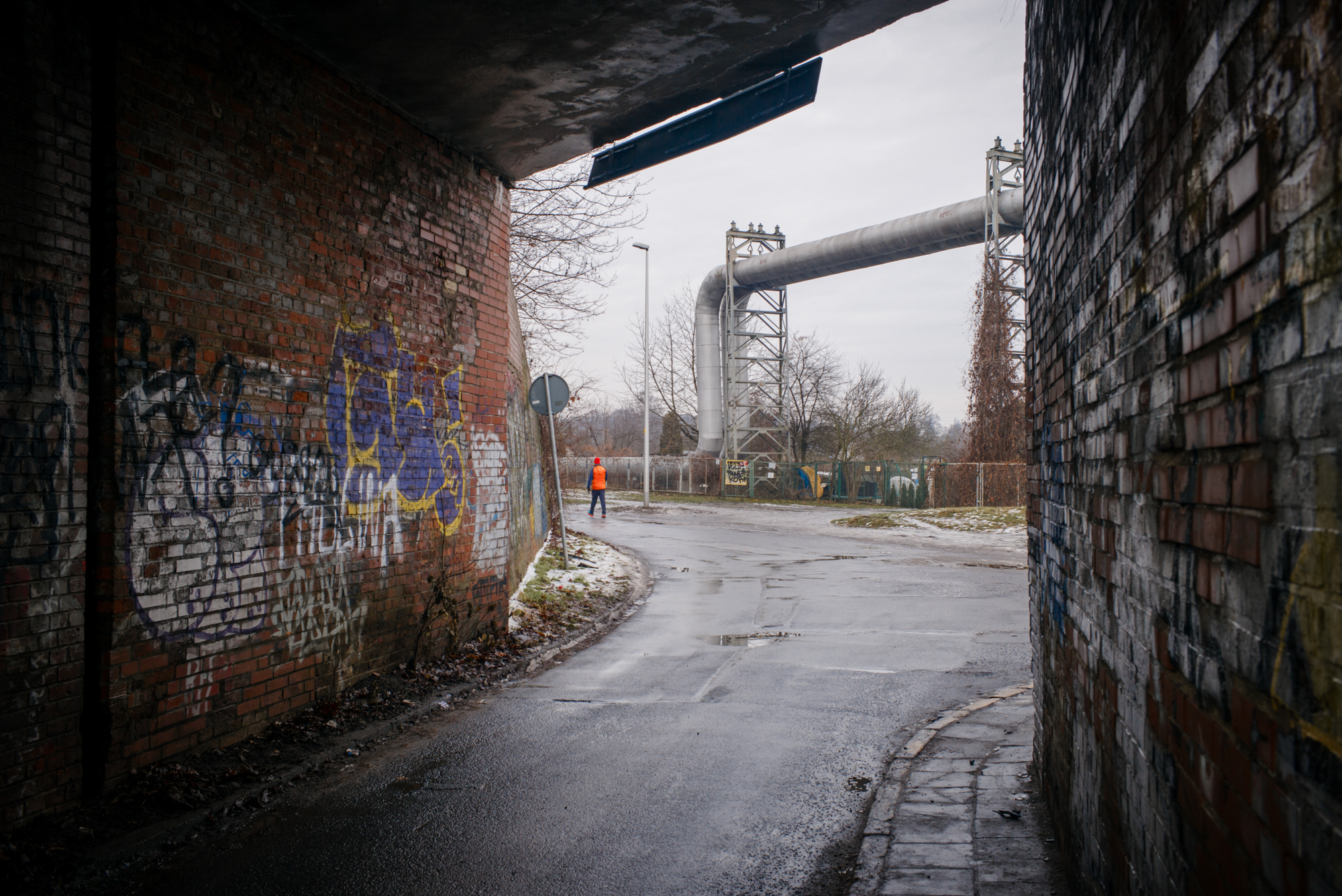
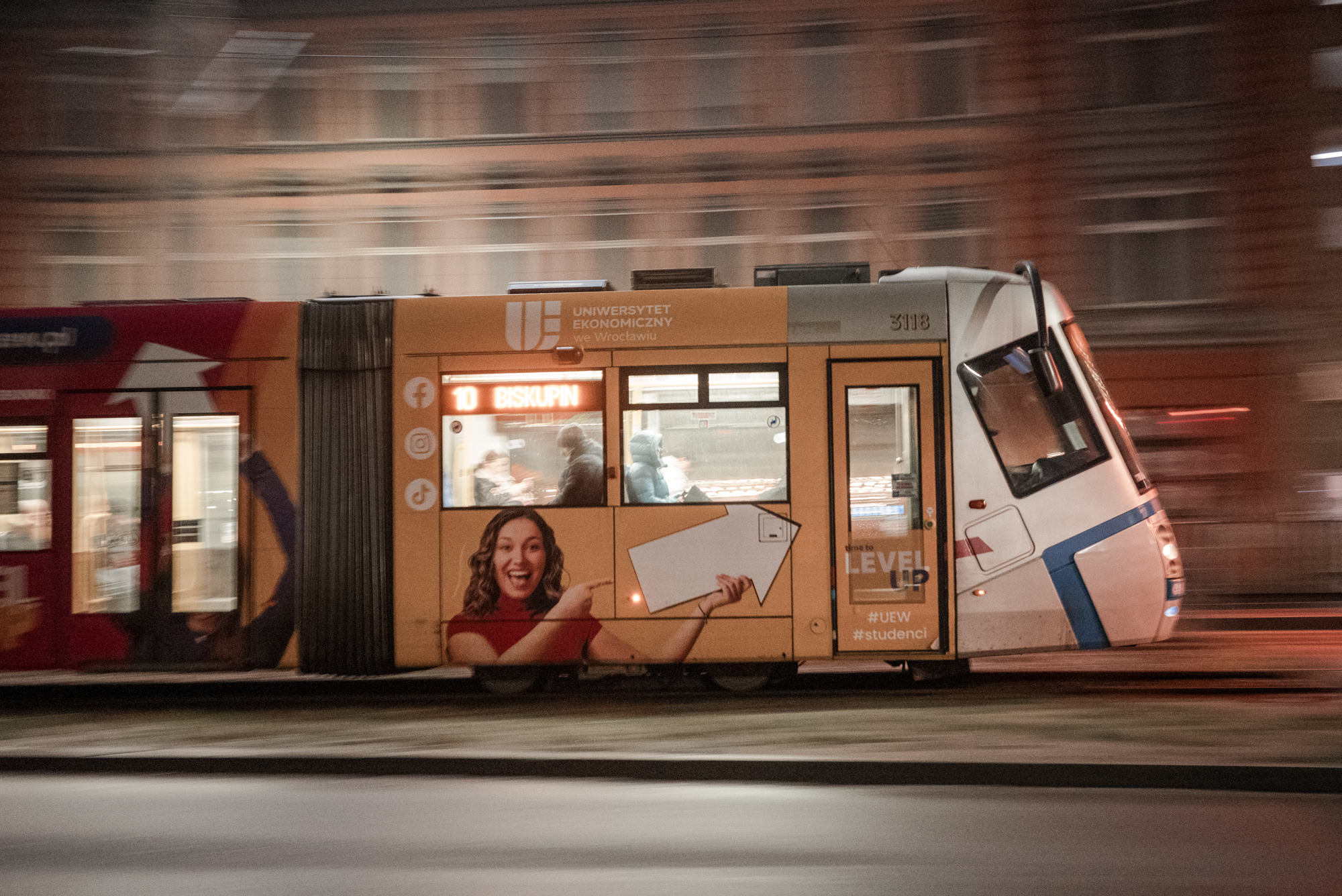
I’ve since done another walk in a different city and the results are already stronger (those will follow soon). Photography is a muscle, and after a few years away it needs training again. Getting photo-fit will take time — but it feels good to be back in the gym.

 Barnaby Nutt
Interesting take on the city, history and scars it accumulated over time. I see ‘my kind’ of photography from some time ago, today I try to incorporate more ‘human’ into my own photos. Keep it up 🙂
LikeLiked by 1 person