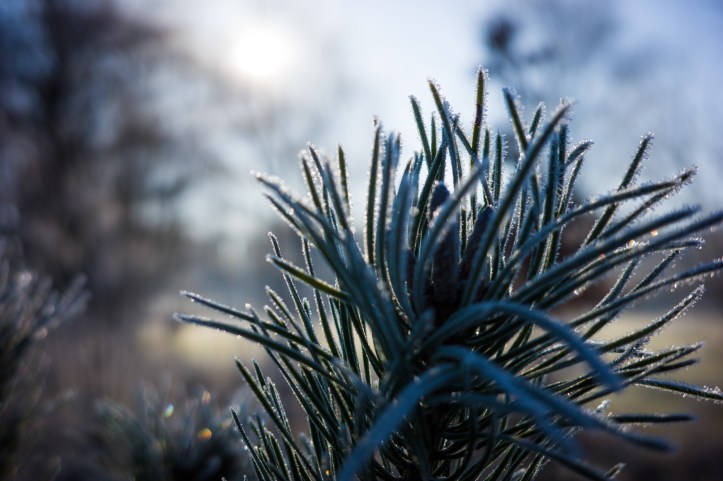
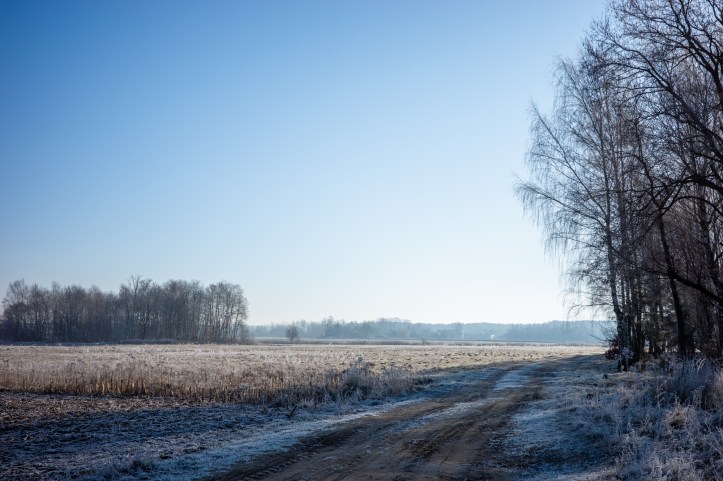
As forecast, and as has become the norm this spring, this morning was cold but beautifully clear, with temperatures just below freezing under a pale blue, translucent sky. The sun was just creeping above the horizon, thawing the frigid air and melting a thin crust of frost that covered the landscape. The air was crisp and still, carrying a quiet sense of renewal.
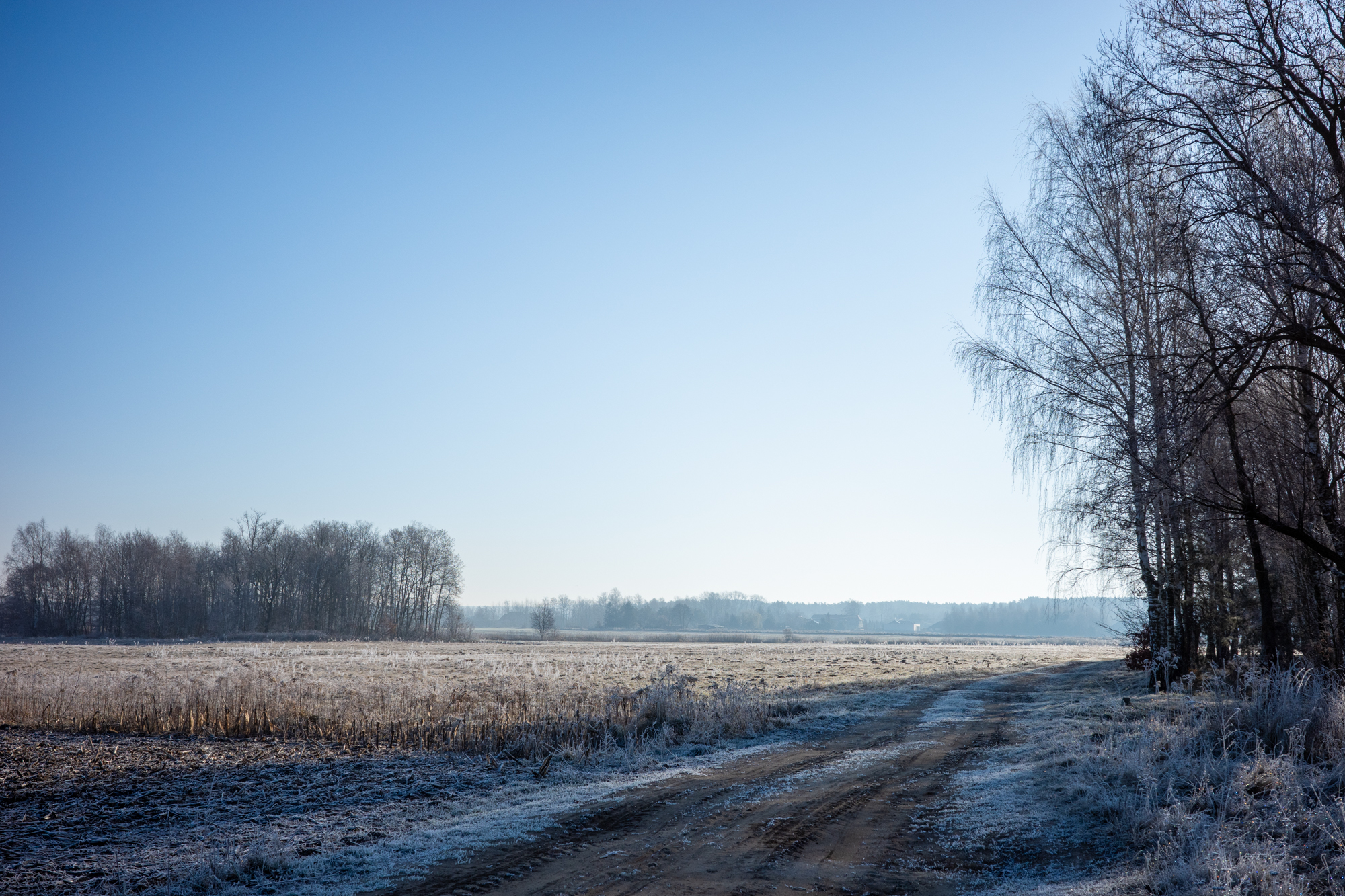
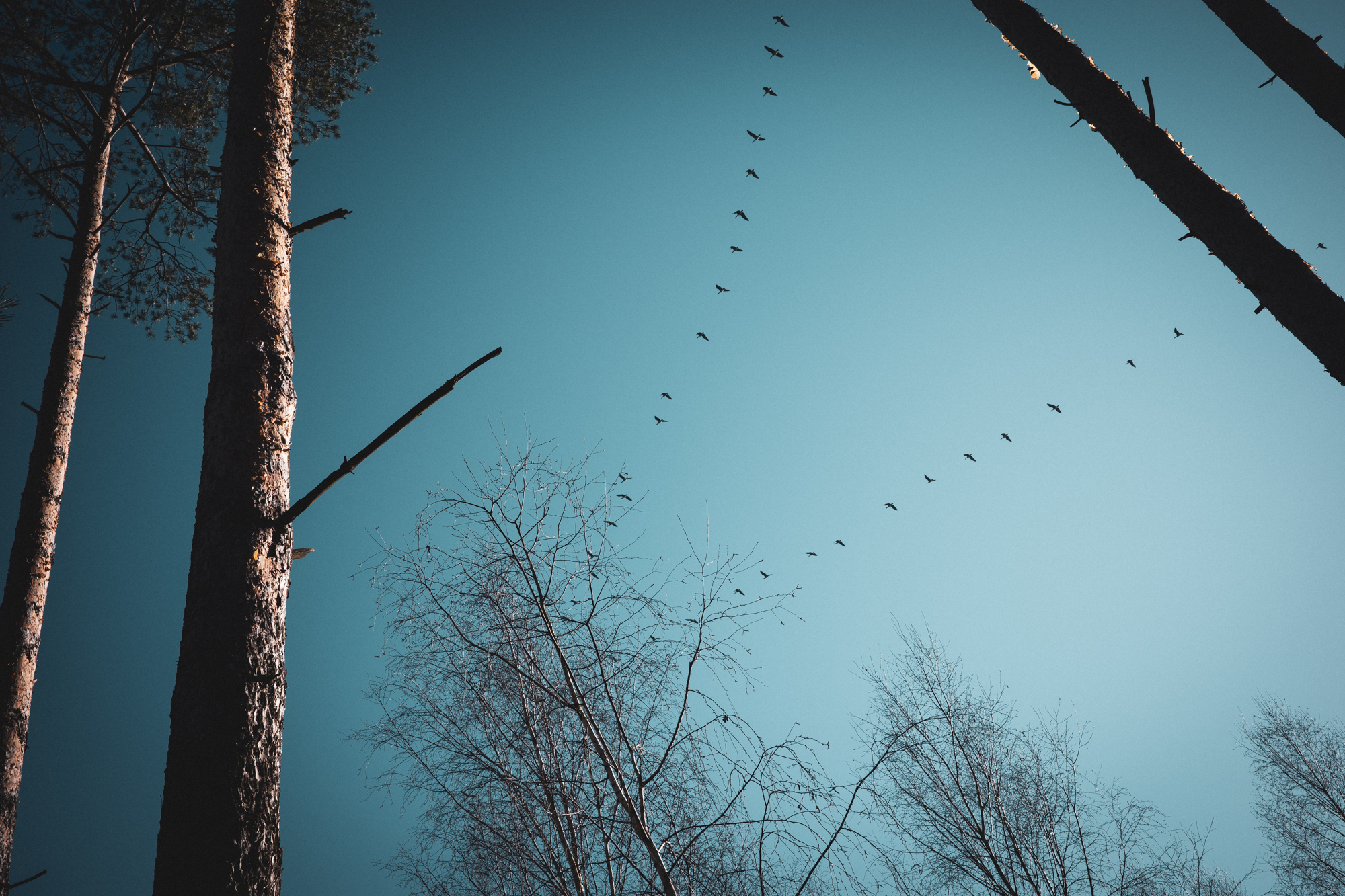
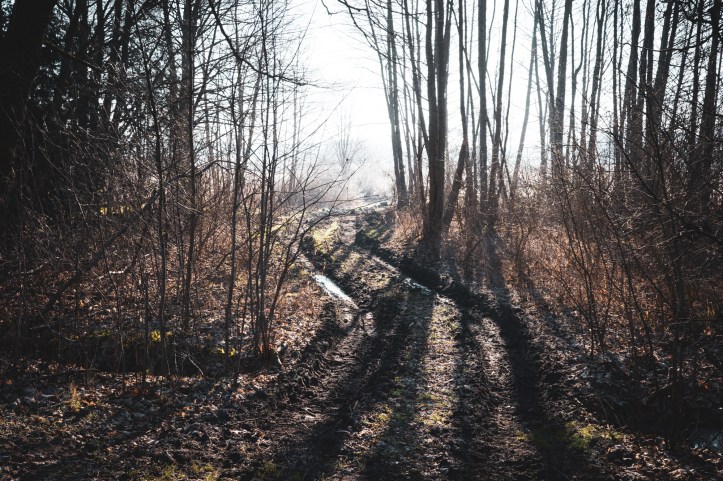
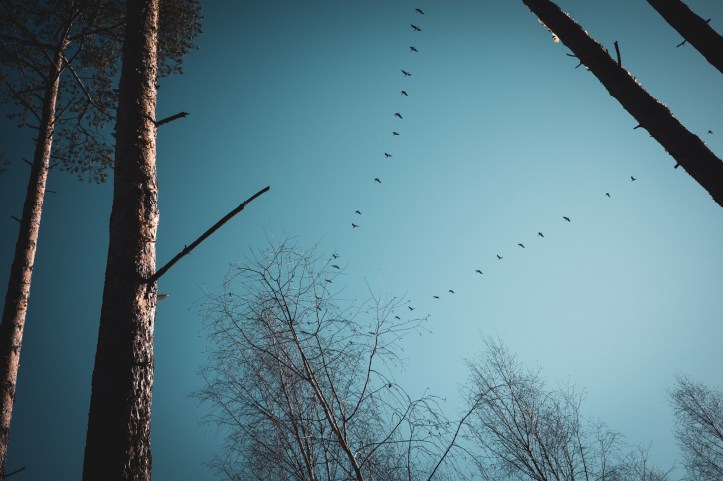
I slipped away from the snoring house and headed towards the woodland at the end of our road, through the tunnel of trees along the sandy track and out into open farmland. The morning silence was only broken by the sounds of nature. Loudest were the thousands of migrating Tundra Bean geese, who seem undecided about their departure date (and direction), and the haunting honks of the common cranes, echoing eerily out from the landscape.

I am enjoying the growing familiarity with my new neighbourhood; I know exactly where to find the yellowhammer perched at the bend in the track, always cheerfully letting us know that summer is coming, and because I visit these woods so often, I noticed that last Tuesday, the wood larks arrived, adding their own euphoric voice to the morning’s symphony of songbirds.
I reckon there are two types of birdwatchers: the twitchers who travel to tick off some poor, confused stranger who has been blown off course and landed on the wrong continent, to be greeted by long-lenses and notebooks; and those who get to know an area intimately, noticing the new arrivals and behavioural changes.
Perhaps it’s the difference between a spotter and a watcher.

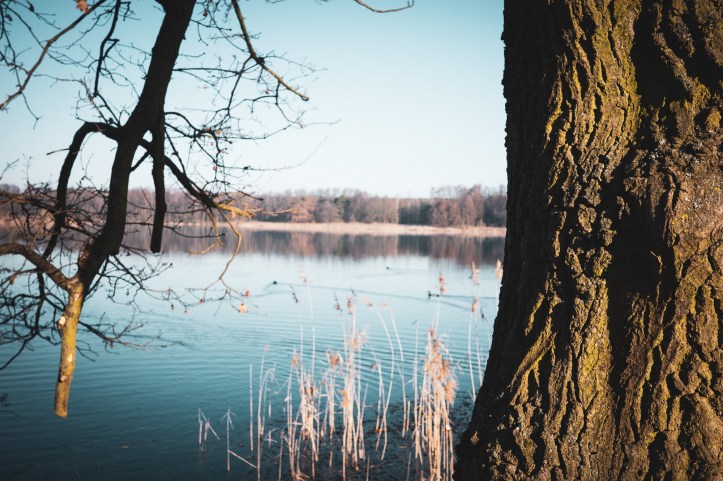
As I made my way past centuries-old fishponds, now re-filled after the winter and home to a thousand coots, mallards and tufted ducks, I heard the bubbling, urgent cascade of notes that are the song of a little grebe – a bright, wild, emotive chatter bursting from the rushes.
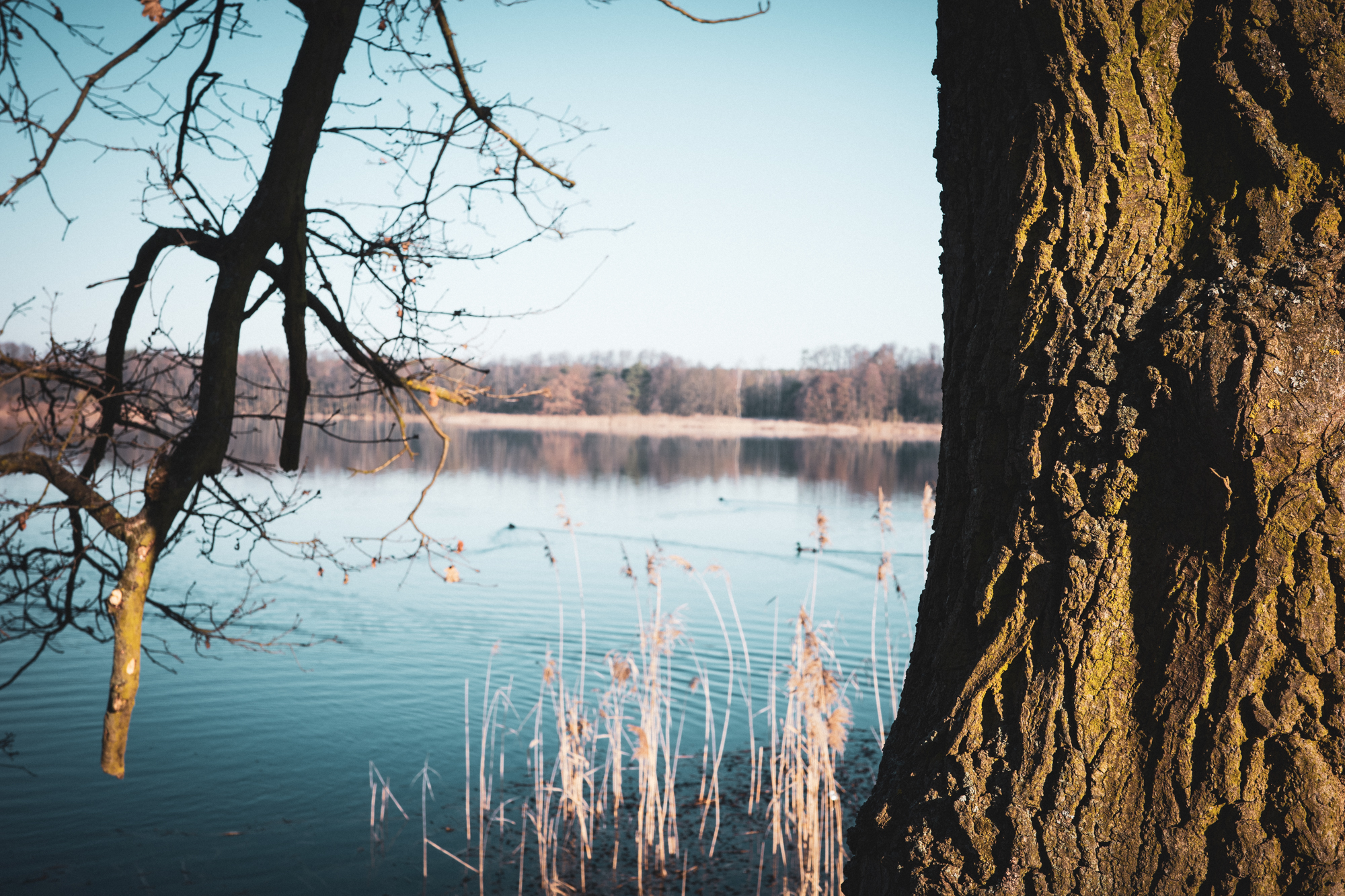
I continued through the ancient beech and red oak trees, still waking from their winter slumber, admired the lengthening catkins of the hawthorn before passing the man-made waterways and gates used for managing the fishponds’ water levels. Next, I crossed the Barthold Line, a defensive ditch built by the Hitler Youth and prisoners of war to slow down the westward advance of the Russians in the latter stages of the war.
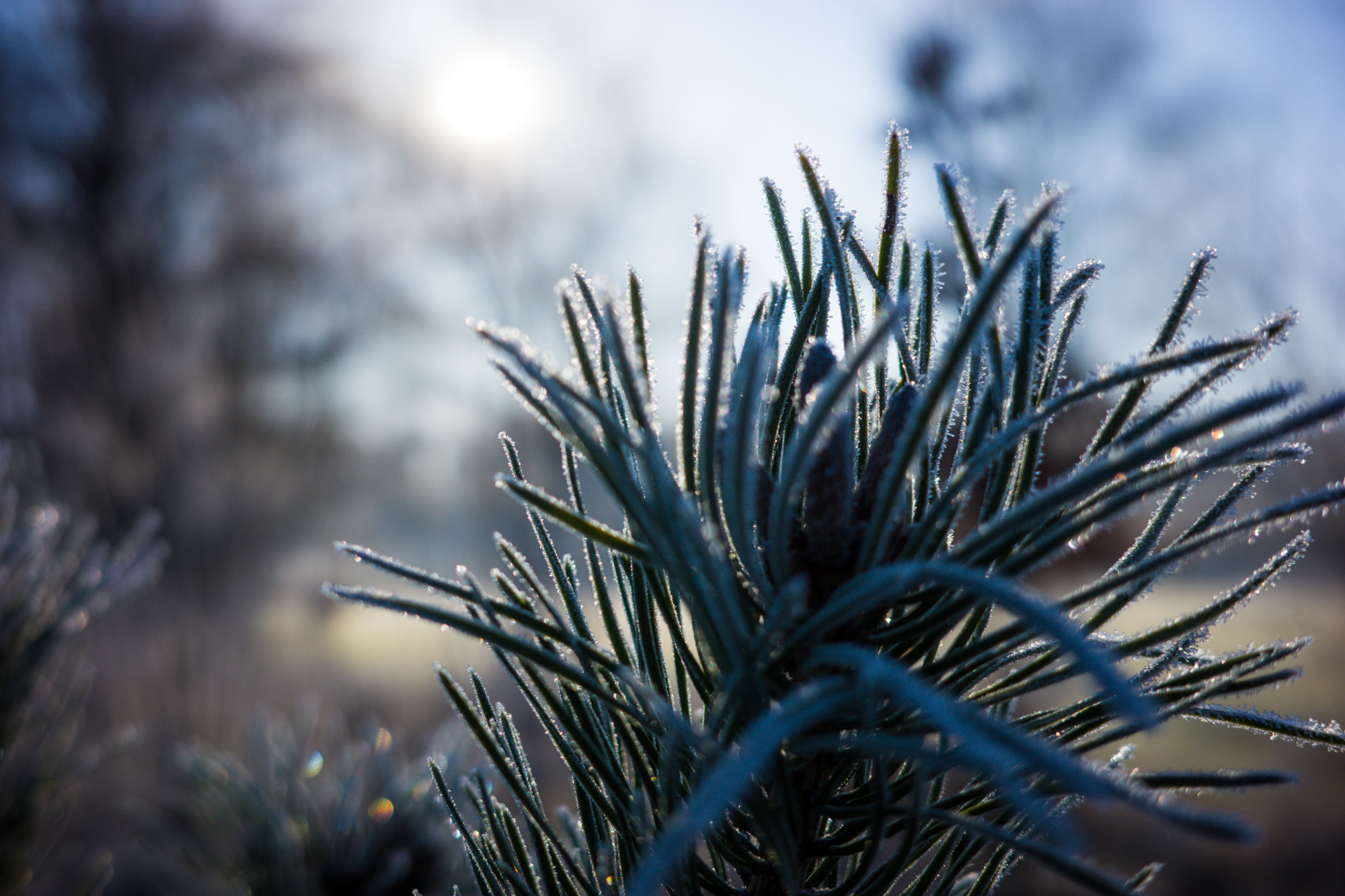
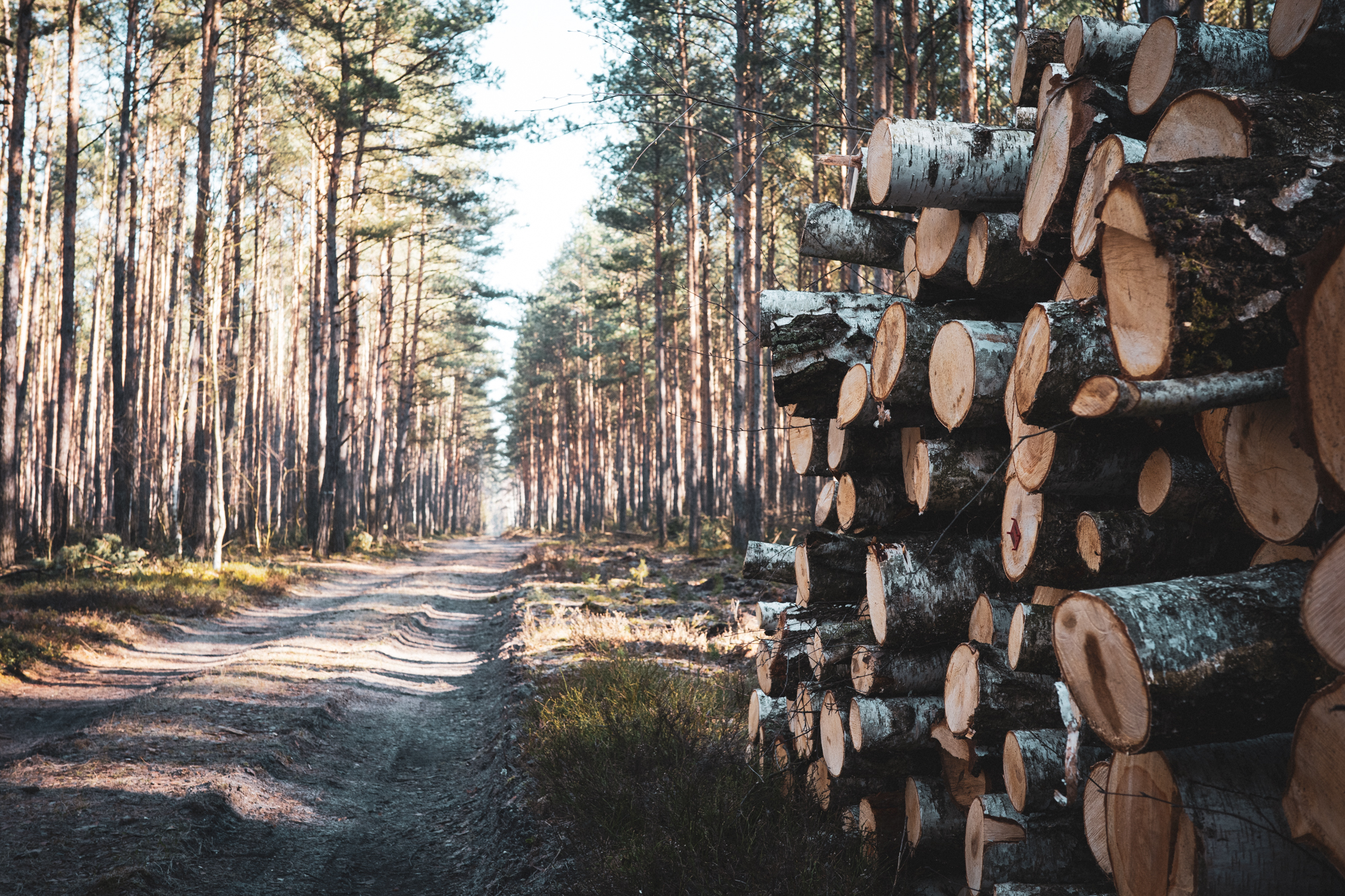
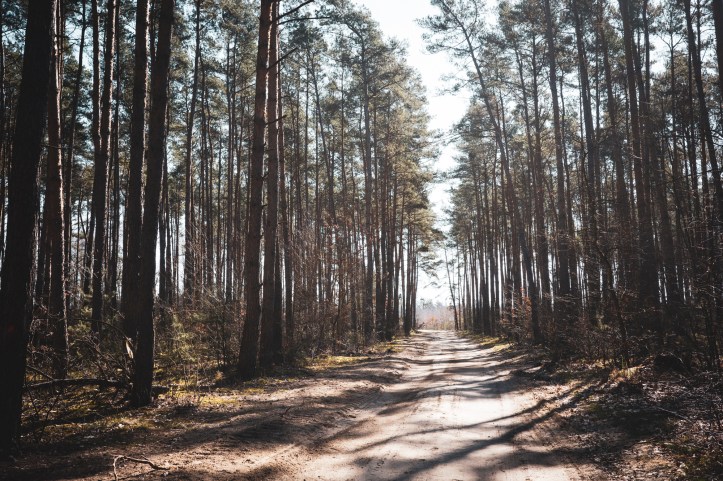
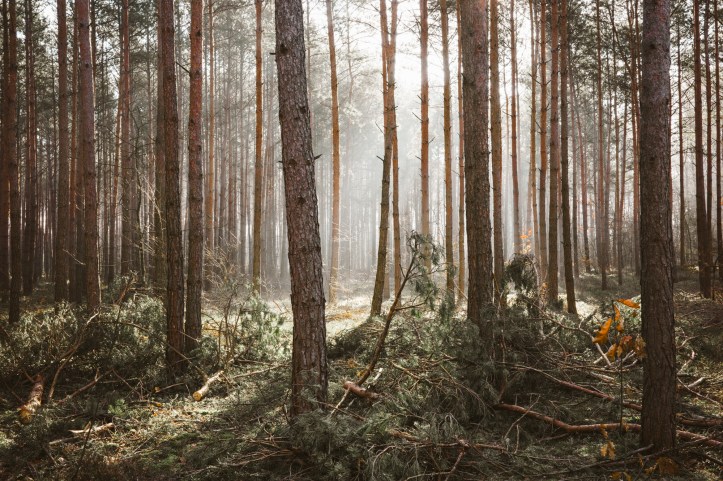
From here, I’m into the managed pine plantations that are part of the Lower Silesian Forest and stretch for thousands of hectares. These woods are much different from the dark, oppressive plantations back in Ireland, where light struggles to penetrate the canopy. Here, the trees are mature and tall, and planted much further apart, creating a welcoming, airy space below.
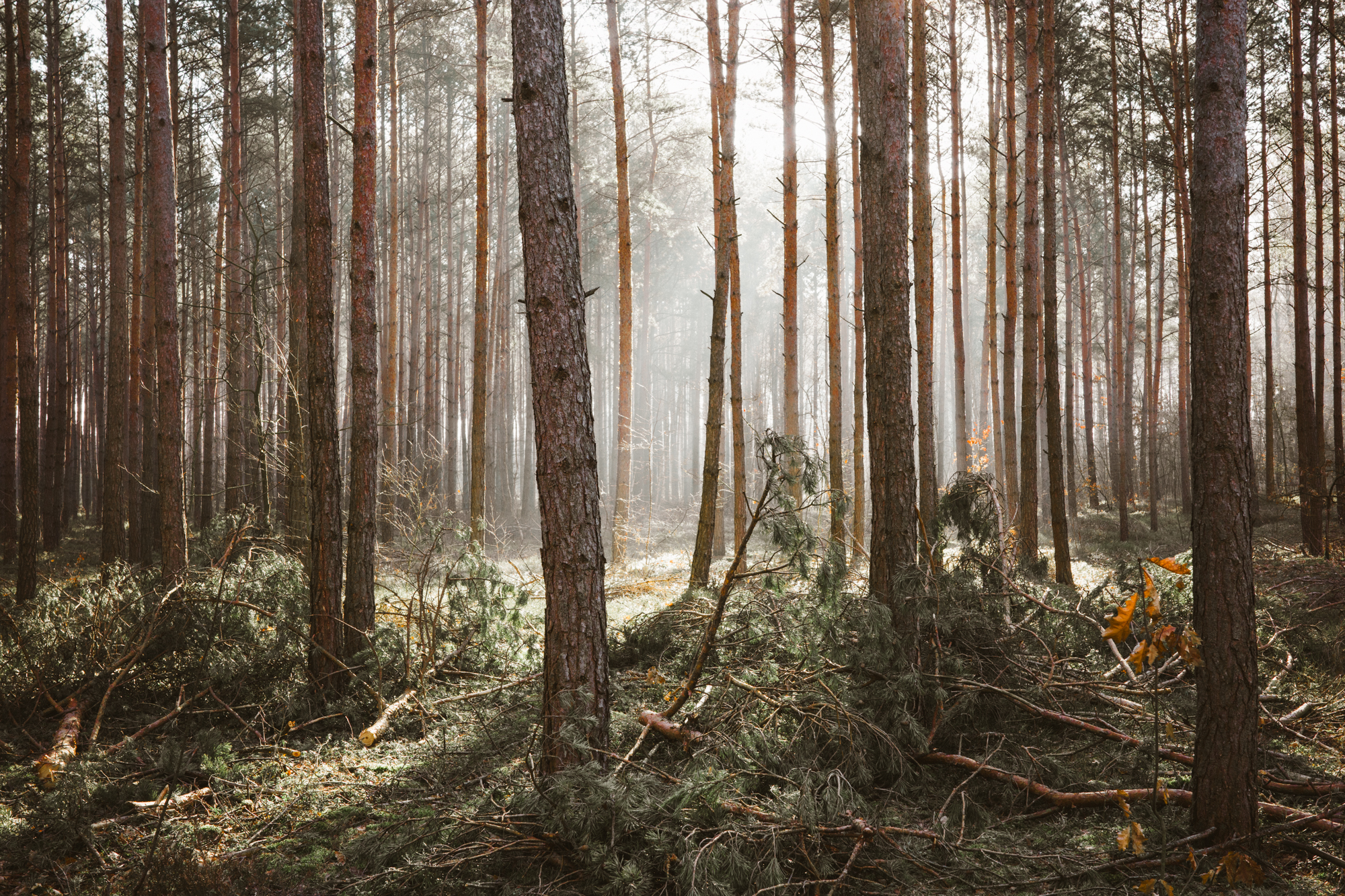
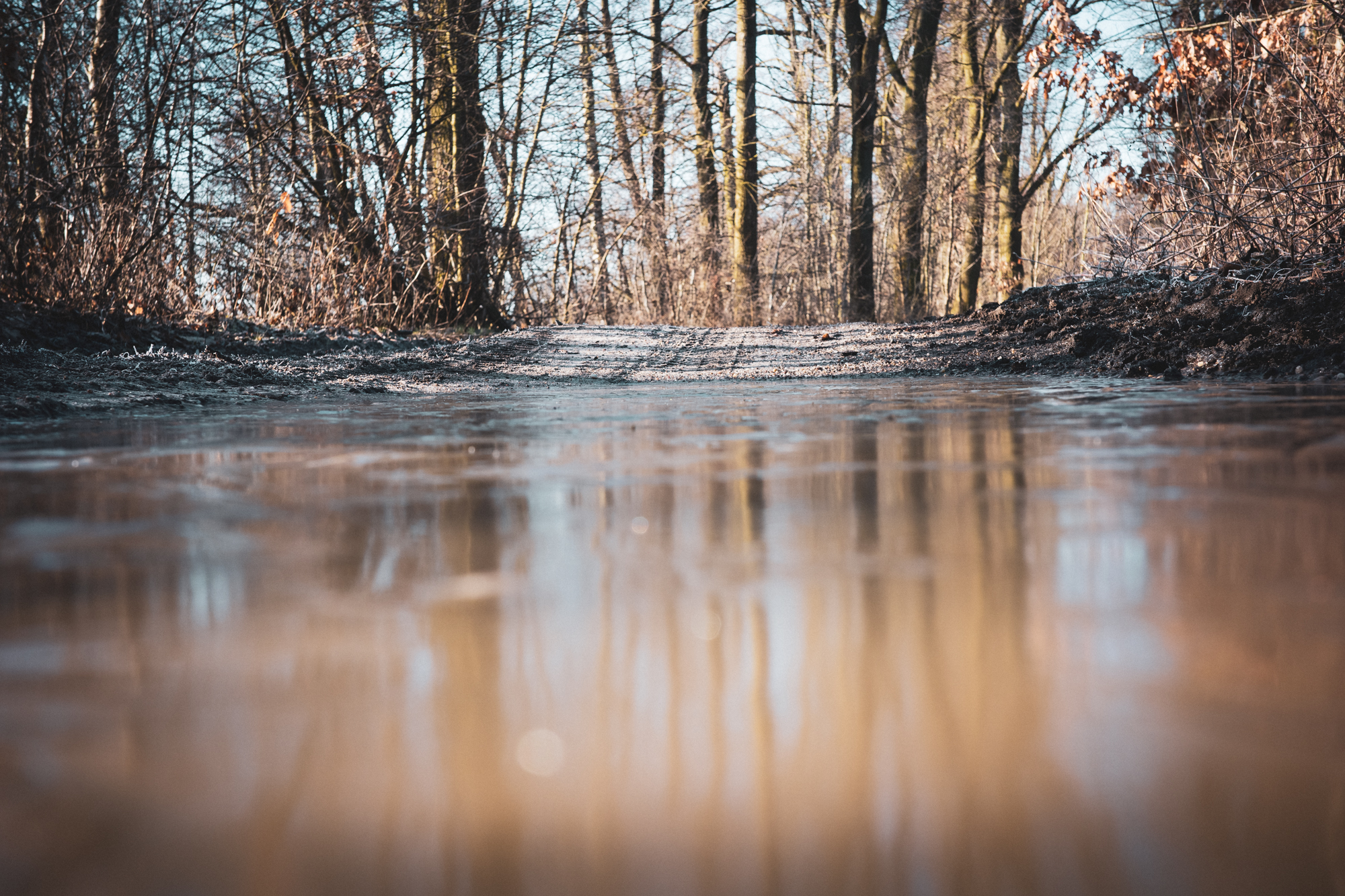
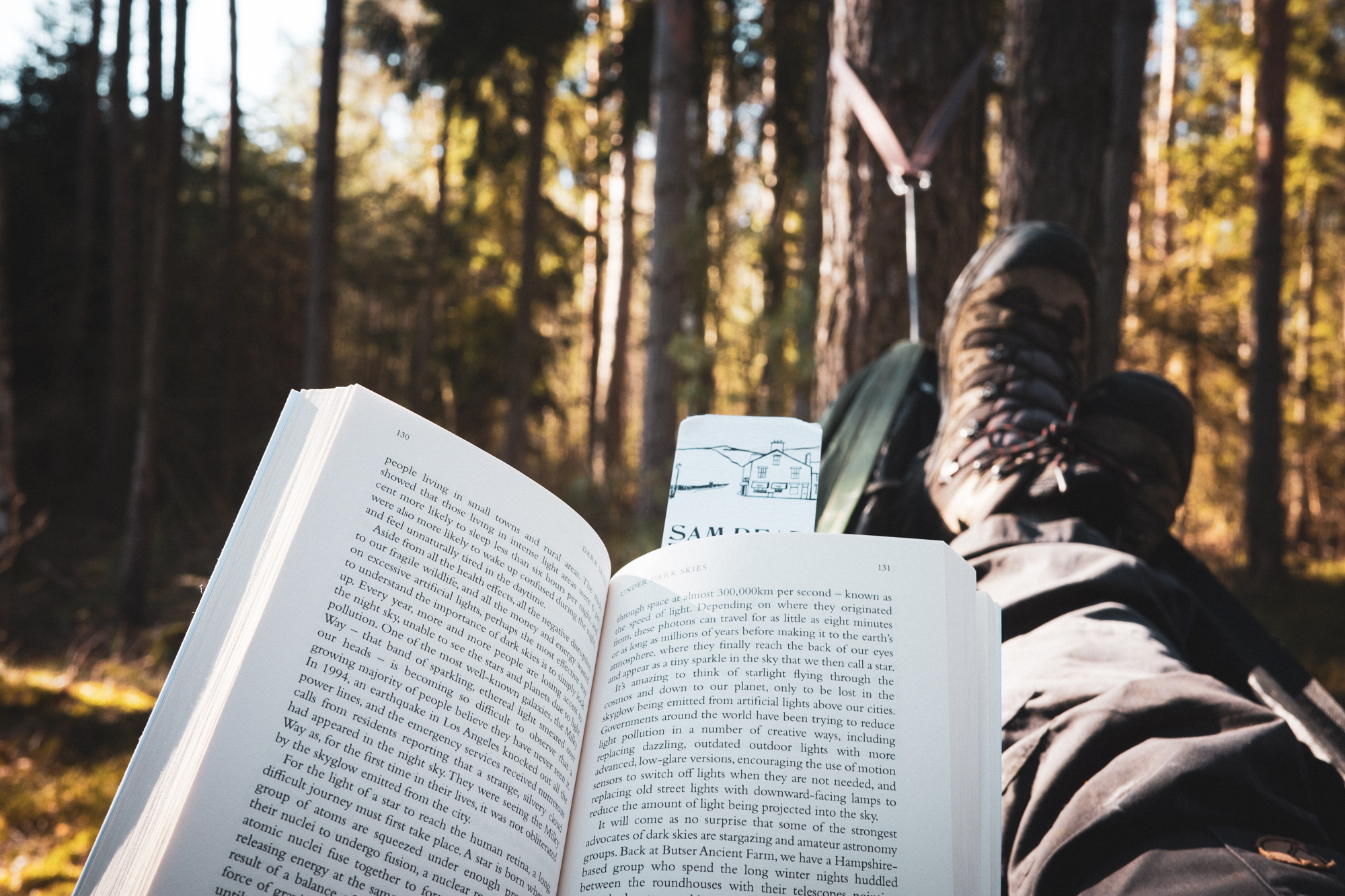
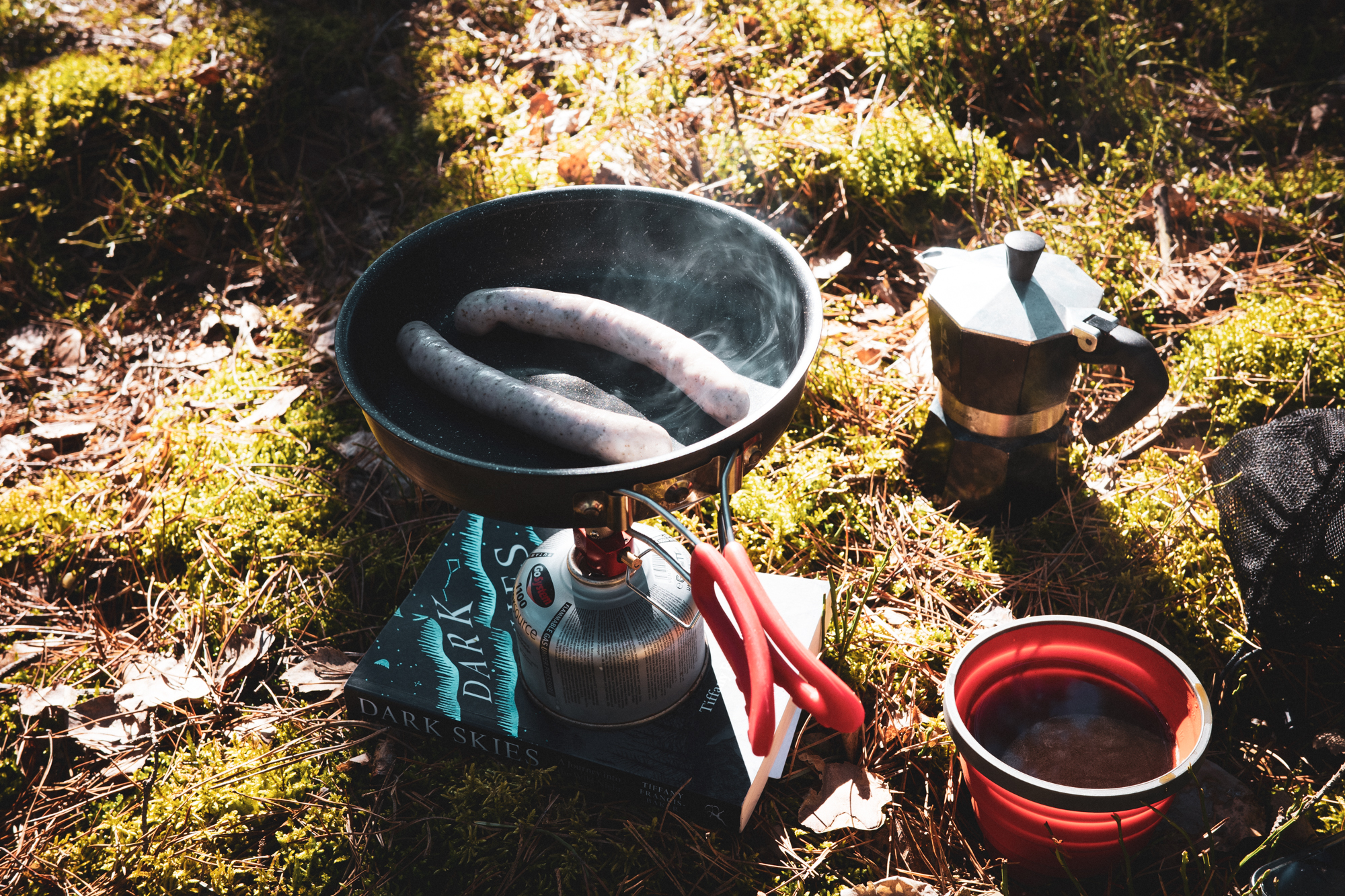
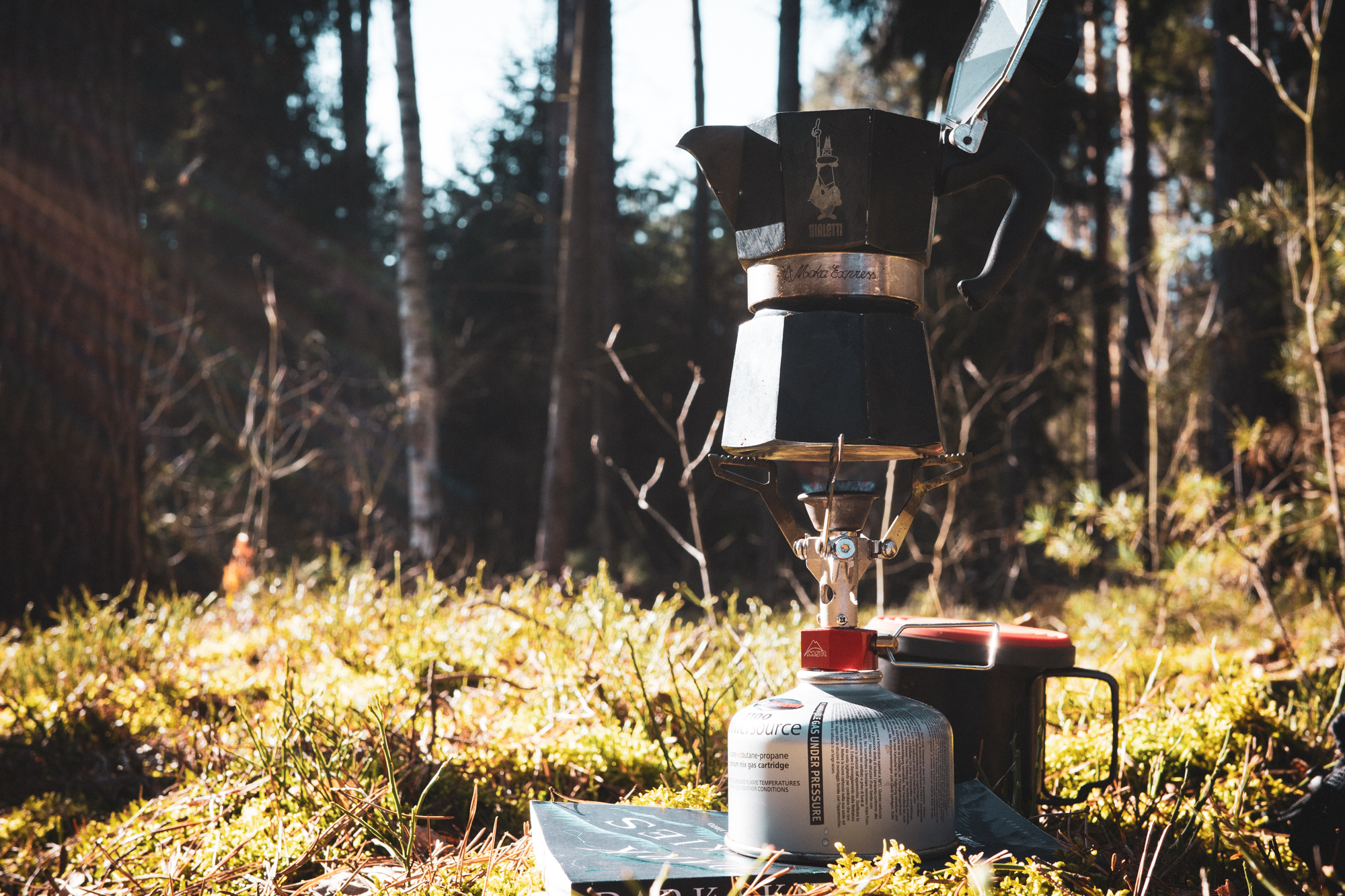
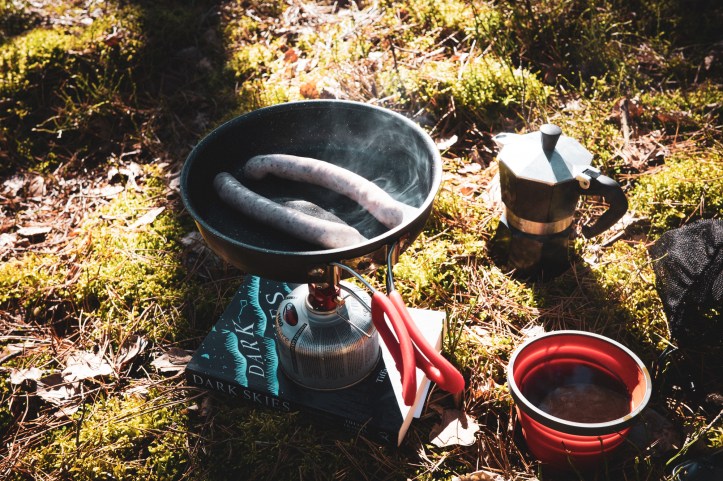
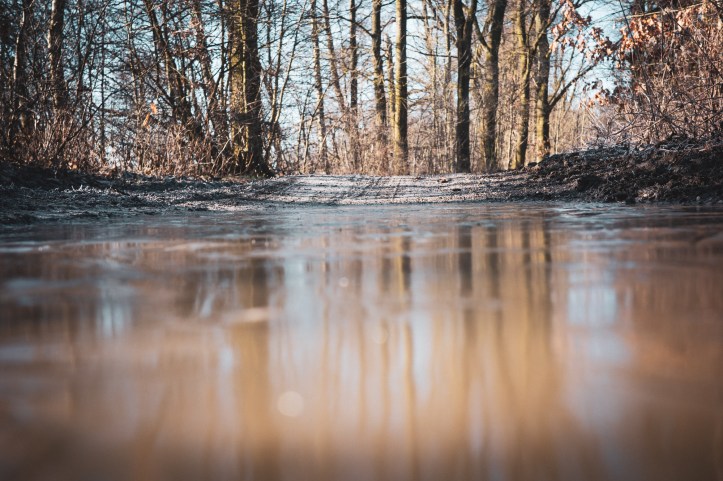
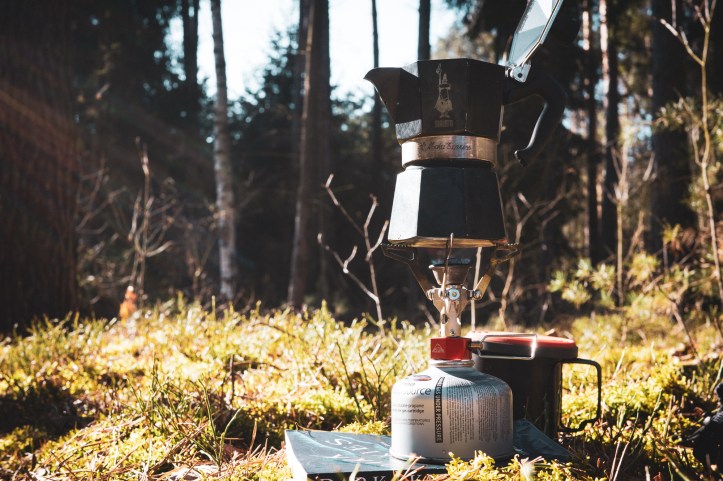
Surrounded by evidence of deer and wild boar, freshly disturbed earth and gnawed tree stumps, I strung up my hammock. After a coffee, a sausage sandwich, and the final chapter of Dark Skies by Tiffany Francis-Baker, it was time to head home. By now, I could feel the apricity of the mid-March sunshine and the temperature had risen to 4C, thawing the puddles and frozen earth beneath my feet.

By the time I returned home, I had walked my 10,000 steps for the day, seen 33 bird species, and finished my book, just as the house began to stir.



 Barnaby Nutt
Thank you for sharing this beautiful slice of your world.
LikeLiked by 1 person
Well thank you everso much for reading.
LikeLike